

BAAI CONFERENCE
Recognized as the premier, in-depth event for the global AI community, the BAAI Conference has run successfully for seven editions since 2019. Over the years, the conference has welcomed attendees from over 30 countries, hosted a dozen Turing Award laureates and 1,000+ top experts, and amassed a registered attendance exceeding 600,000. The 8th BAAI Conference 2026 is set for a grand opening from June 12 to 13 at the Zhongguancun International Innovation Center in Beijing. Continuing its visionary and authoritative tradition, this year’s event will focus on cutting-edge AI advancements and core challenges, delivering an unparalleled intellectual feast for the global community. Invitation
General Chairs
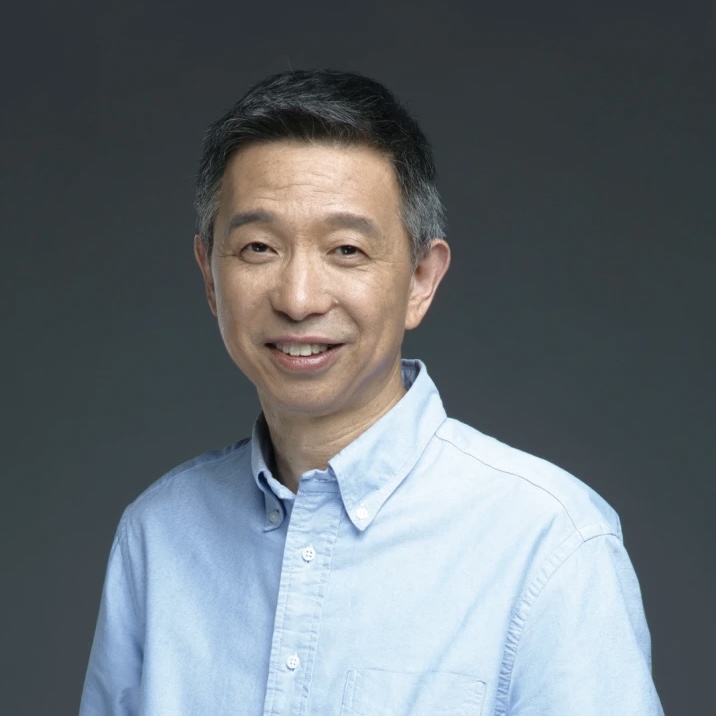
Jian Wang
Director of Zhejiang Lab,Founder of Alibaba CloudDr.Wang Jian is a distinguished expert in cloud computing technology, Founder of Alibaba Cloud, Director of Zhejiang Lab, and Member of the Chinese Academy of Engineering. He pioneered the data-centric distributed cloud computing architecture and took the lead in proposing the industrial model of computing as a public service. He spearheaded the R&D of the Alibaba Cloud platform with independent intellectual property rights, which is built around Feitian, a large-scale distributed computing system. His work has greatly strengthened China’s discourse power in the global cloud computing sector and enabled the country’s cloud computing industry to embark on development at broadly the same starting level as international peers. In recognition of his outstanding contributions to cloud computing, he was elected a Member of the Chinese Academy of Engineering in 2019.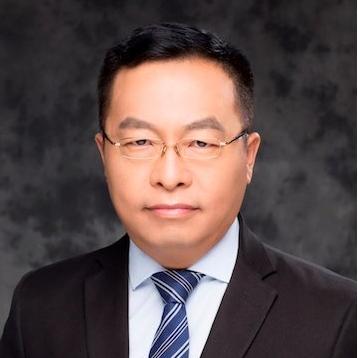
TieJun Huang
Chairman of Beijing Academy of Artificial Intelligence (BAAI)ProfessorHuang Tiejun is the chairman of Beijing Academy of Artificial Intelligence, a professor with the School of Computer Science of Peking University, and the director of the National Key Laboratory of Multimedia Information Processing. His main research interests are in visual information processing and brain-like intelligence. He invented the principle of Spiking Continuous Photography and ultra-high-speed visual sensor chips, camera, and system. He was awarded the Second Prize of the National Technology Invention Award in 2017 for efficient visual feature analysis and compression key technologies, the Second Prize of the National Science and Technology Progress Award in 2012 for the development and industrial application of national video coding standards, the Outstanding Contribution Award for Chinese Standard Innovation in 2022, and the Outstanding Contribution Award for the Wu Wenjun Artificial Intelligence Science and Technology Award in 2022.He is also the vice chair of the Steering Committee for the "New Generation Artificial Intelligence Major Project" and the vice chair of the National Artificial Intelligence Standardization Steering Group (National Standardization Committee). He is a National Distinguished Young Scholar, Changjiang Scholar, and Fellow of the CAAI (Chinese Association for Artificial Intelligence), CCF (China Computer Federation), CSIG (China Society of Image and Graphics) and CIE (Chinese Institute of Electronics).
Program Chairs
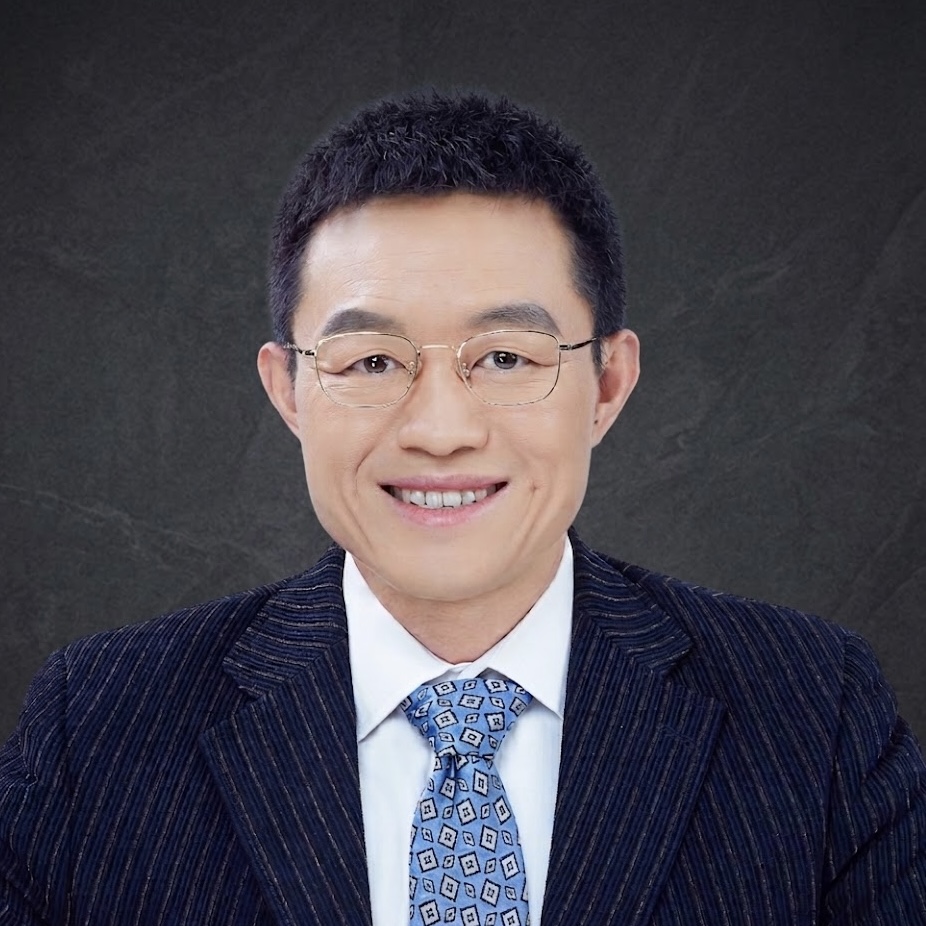
Jie Tang
Chair Professor, Department of Computer Science, Tsinghua University ; Founder & Chief Scientist, Z.AIDr. Tang Jie is a Tenured Professor and Deputy Head of the Department of Computer Science and Technology at Tsinghua University. He also serves as the Director of the Tsinghua-CAE Joint Laboratory of Knowledge Intelligence and is a recipient of the National Science Fund for Distinguished Young Scholars. His primary research interests include social network analysis, data mining, machine learning, and knowledge graphs. He has published over 200 papers and holds more than 20 patents. Dr. Tang has served as the Editor-in-Chief of ACM TKDD and as the Program Committee Chair for CIKM’16 and WSDM’15, Associate General Chair for KDD’18, and on the editorial boards of IEEE TKDE, ACM TIST, and IEEE TBD. He is the recipient of numerous prestigious awards, including the Royal Society-Newton Advanced Fellowship, the CCF Young Scientist Award, and the First Prize of the CAAI Science and Technology Progress Award. In 2018, he was honored with the KDD Service Award.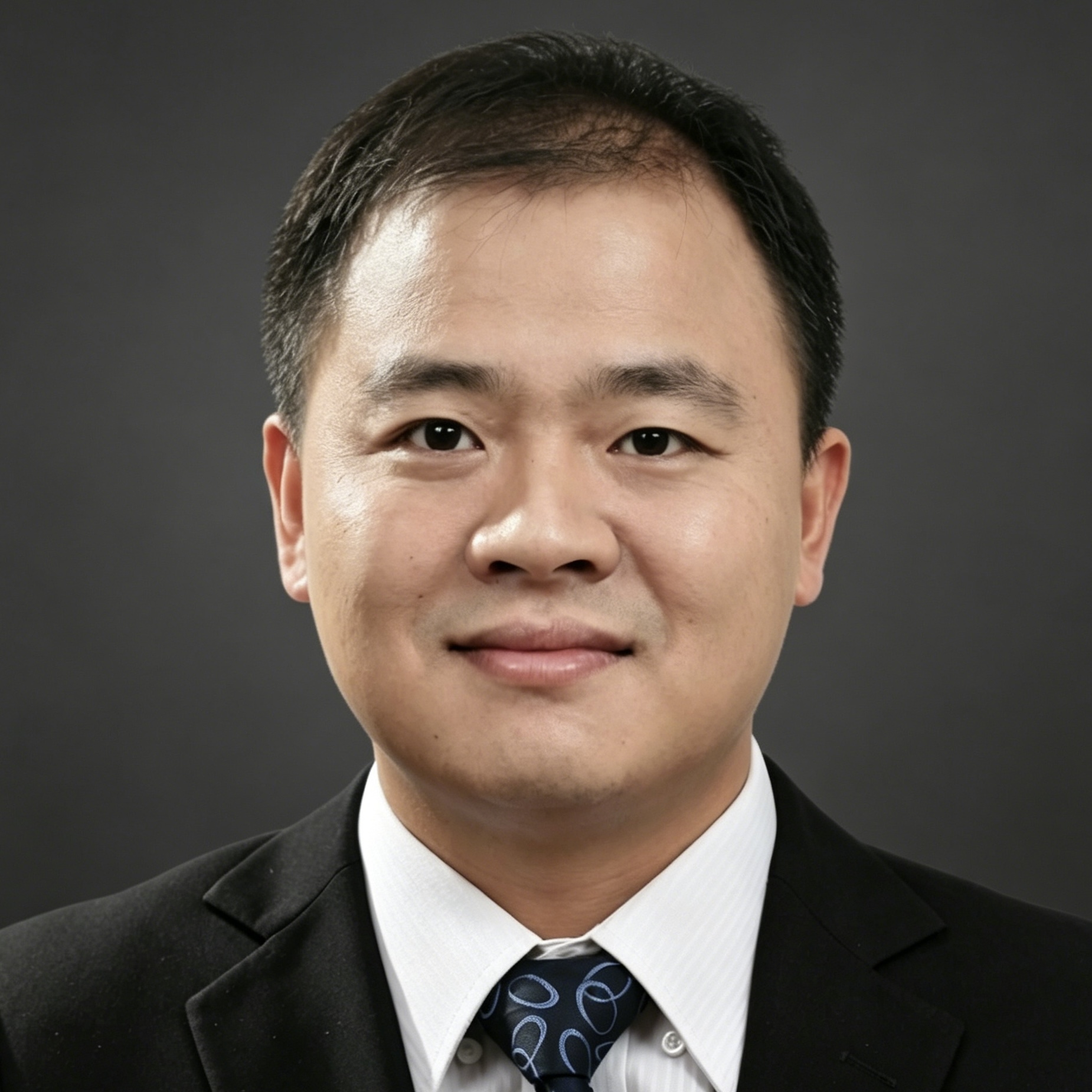
Bo An
President’s Chair Professor at Nanyang Technological University, Director of the Interdisciplinary Artificial Intelligence Research InstituteDr. An Bo is a President’s Chair Professor and the Head of the Department of Artificial Intelligence at Nanyang Technological University (NTU), Singapore. He also serves as the Director of the Nanyang Center for Applied AI. He received his Ph.D. in Computer Science from the University of Massachusetts Amherst in 2011. His primary research interests include artificial intelligence, multi-agent systems, algorithmic game theory, reinforcement learning, and optimization. He has published over 200 papers in top-tier AI conferences and journals, including AAMAS, IJCAI, AAAI, ICLR, NeurIPS, ICML, AISTATS, ICAPS, KDD, UAI, EC, WWW, JAAMAS, and AIJ. Dr. An is an AAAI Fellow, an ACM Distinguished Scientist, and a member of the Board of Directors for both IJCAI and AAAI. He will serve as the Program Chair for IJCAI’27. Currently, he is the Editor-in-Chief of IEEE Intelligent Systems. Selected Honors & Awards: - IFAAMAS Victor Lesser Distinguished Dissertation Award (2010) - INFORMS Daniel H. Wagner Prize for Excellence in Operations Research Practice (2012) - IEEE Intelligent Systems' "AI's 10 to Watch" (2018) - Nanyang Research Award (2022) - Winner of the Microsoft Collaborative AI Challenge (2017)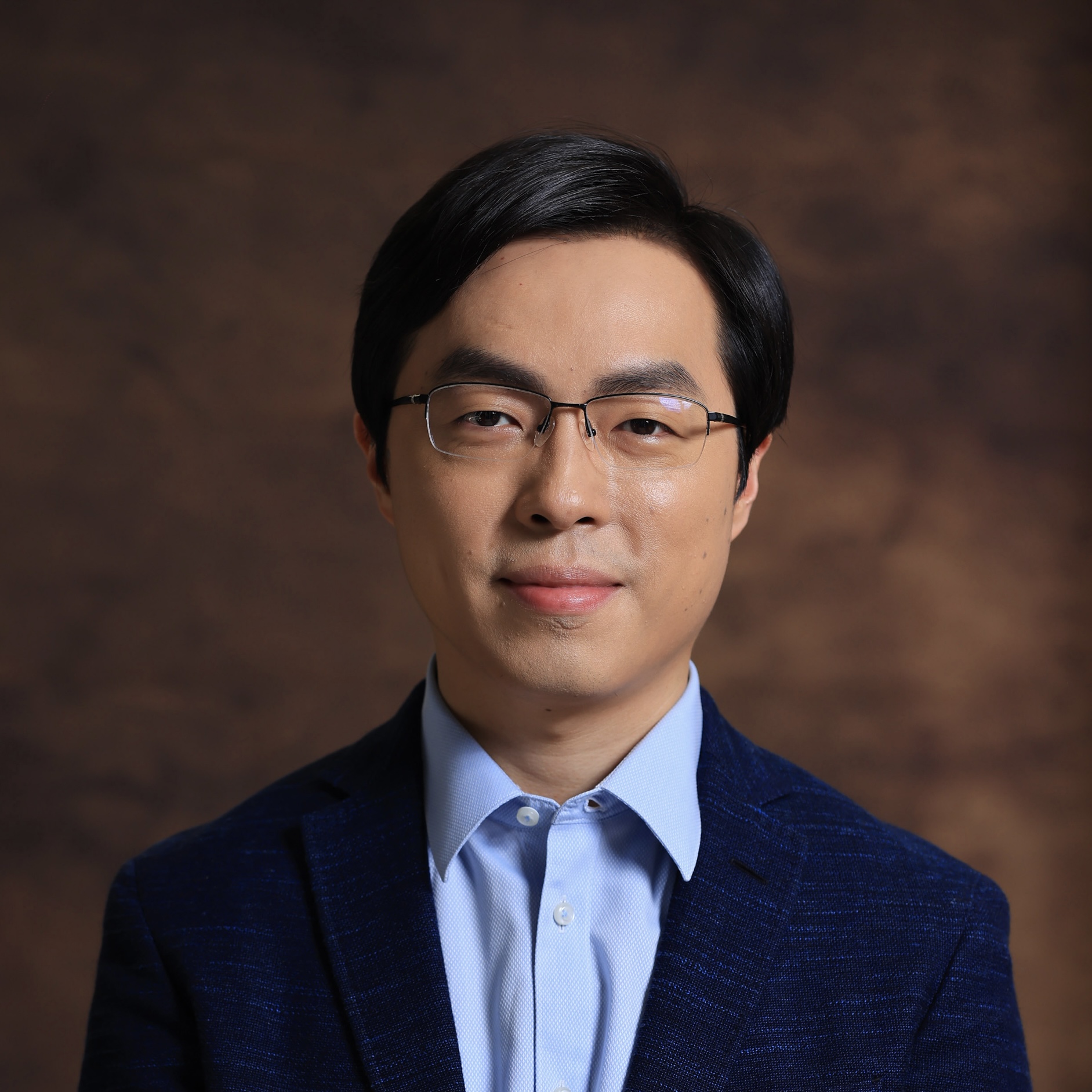
ZhongYuan Wang
President of Beijing Academy of Artificial Intelligence (BAAI)Dr. Wang Zhongyuan is President of Beijing Academy of Artificial Intelligence (BAAI). He has worked at world-class research institutions and leading technology companies including Microsoft Research Asia, Meta, Meituan and Kuaishou. For years, he has overseen the research and development of core AI technologies and the construction of large-scale intelligent systems. In 2018, he was selected for the 35 Innovators Under 35 (TR35) list released by MIT Technology Review. With more than 20 years of in-depth research in core artificial intelligence fields, Dr. Wang has published over 100 papers in top international academic conferences and journals and authored multiple academic monographs. He also holds a host of core patents both at home and abroad. His research works have been featured in Nature, and he received the Best Paper Award at ICDE 2015. Since assuming the position of President of BAAI, he has taken advancing AI from the digital world to the physical world as the core goal. He advocates a development philosophy of leading growth through cutting-edge innovation, enabling young talents to take on key responsibilities, and fostering an ecosystem via open source and openness. He leads his team in conducting fundamental research and applied exploration on large language models, multimodal large models, world models and embodied intelligence. He has spearheaded the creation of an internationally influential open-source technology ecosystem, cultivated and recommended numerous top-tier researchers for China's AI sector, and kept driving the global development of artificial intelligence through original innovation.
Track Chairs
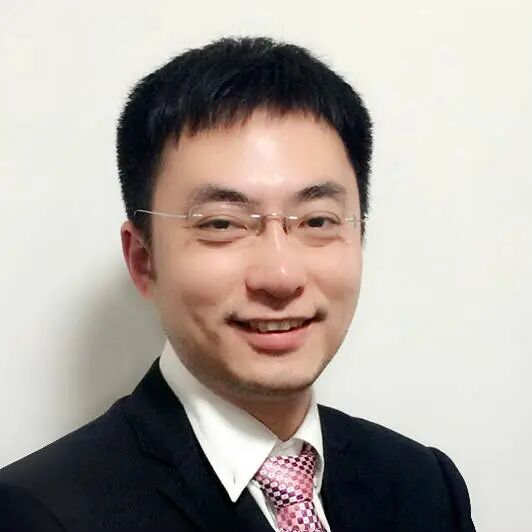
Yang Yu
Professor, School of Artificial Intelligence, Nanjing UniversityYu Yang, Professor at the School of Artificial Intelligence, Nanjing University, mainly engages in research on artificial intelligence, machine learning and reinforcement learning. He has obtained five international paper awards and three championships in international algorithm competitions. He was selected into the National Young Talents Program and included in IEEE Intelligent Systems "AI’s 10 to Watch", and received the CCF-IEEE Young Scientist Award and the inaugural Asia Pacific Data Mining Young Achievement Award. He was also invited to deliver a Young Spotlight Talk at IJCAI 2018.
Chao Yu
Assistant Professor, Shenzhen International Graduate School, Tsinghua UniversityYu Chao is currently an Assistant Professor at the Shenzhen International Graduate School, Tsinghua University, and has been selected into the Young Talent Support Program of the Chinese Institute of Electronics. Her research has long focused on decision intelligence based on reinforcement learning. She has published over 50 papers as the first or corresponding author in top international conferences and journals such as ICML, NeurIPS, ICLR, CVPR, ECCV, CoRL, IROS, ICRA, TMLR and RAL, with more than 5,500 citations on Google Scholar. Her representative achievements include MAPPO, a multi-agent reinforcement learning algorithm with over 2,800 Google Scholar citations, and RLinf, a large-scale reinforcement learning training framework for embodied intelligence with over 2,600 GitHub stars.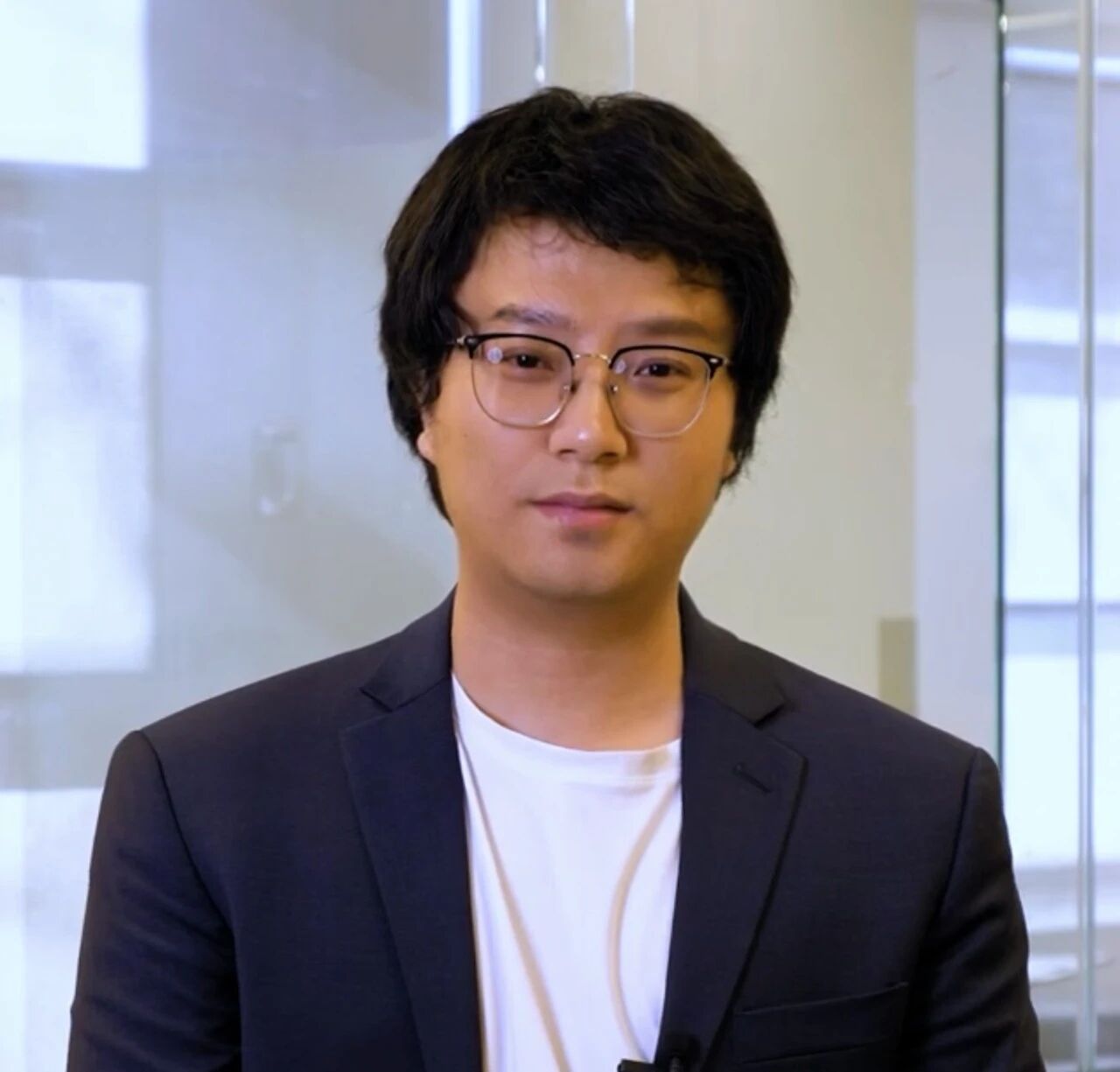
Bang Liu
Associate Professor, Department of Computer Science, Université de MontréalLiu Bang is currently Tenured Associate Professor of the Department of Computer Science at Université de Montréal and Canada CIFAR AI Chair, as well as a member of Mila Quebec AI Institute and Institut Courtois of Université de Montréal. His research focuses on natural language processing and multimodal intelligent integration, covering large models and intelligent agents, multimodal and embodied learning, and AI for Science. He devotes himself to basic research, interdisciplinary applications and open-source ecosystem construction of large models and agents, and his research achievements have been widely applied in industry. He has published more than 100 papers and tutorials in top international journals and conferences in the fields of natural language processing and artificial intelligence as a core author, served as Area Chair of top conferences including NeurIPS, ICML, ICLR, ACL, EMNLP, NAACL and IJCAI, and acted as Action Editor of Neural Networks. He has received numerous honors such as the Amazon Research Award (2025), WAIC Cloud Sail Award (2024 Rising Star, 2025 Bright Star), Université de Montréal Excellence in Research Award, WWW 2023 Best Paper Nomination and George Walker PhD Thesis Award.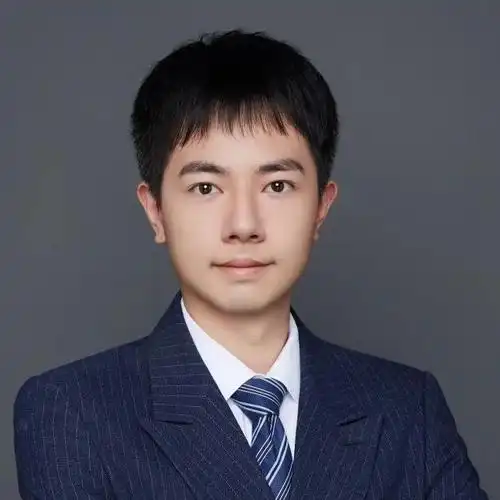
Yutao Zhu
Postdoctoral Researcher, Gaoling School of Artificial Intelligence, Renmin University of ChinaZhu Yutao, Ph.D. from Université de Montréal, is currently a Postdoctoral Fellow at the Gaoling School of Artificial Intelligence, Renmin University of China, and a recipient of Microsoft Star Scholar Program. His research focuses on information retrieval and large language models. He has published numerous papers in top-tier international journals and conferences in artificial intelligence and information retrieval, with over 6,300 Google Scholar citations. He serves as a program committee member for academic conferences including ACL, NeurIPS, ICML, ICLR and SIGIR, and acts as a reviewer for journals such as PNAS and TOIS. He leads the development of the retrieval-augmented generation toolkit FlashRAG, which has garnered more than 3,400 GitHub stars, and boasts extensive research and development experience in the field of search agents.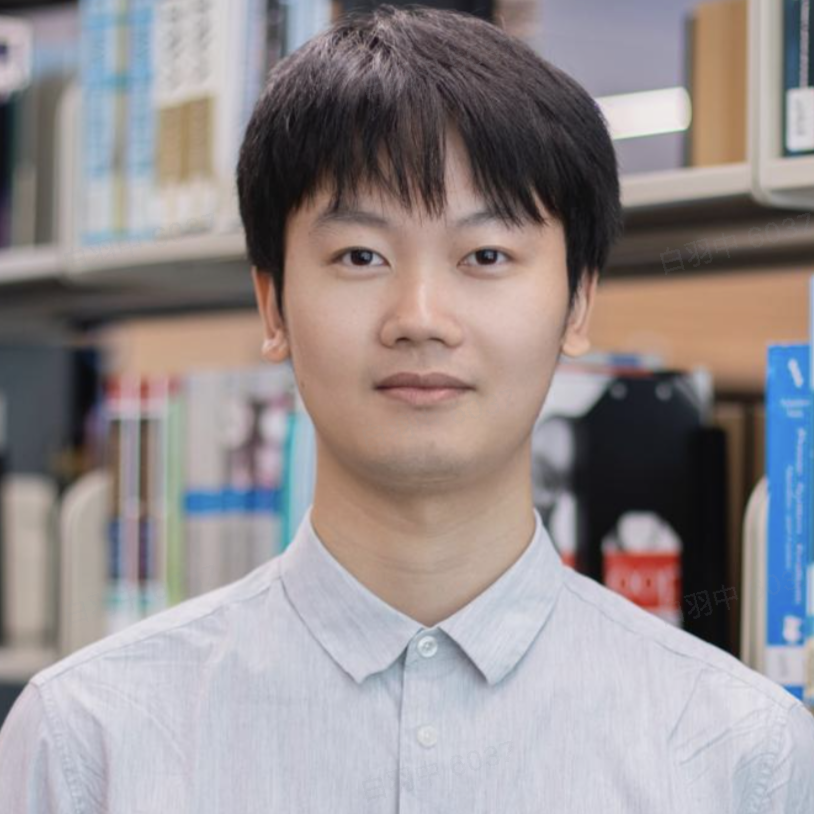
Mingchen Zhuge
KAUST PhD & Founding Member of RecursiveZhuge Mingchen serves as a founding member of Recursive. He holds a PhD in Computer Science from KAUST, tutored by Professor Jürgen Schmidhuber, acclaimed as the Father of Modern Artificial Intelligence and the Father of LSTM. His research centers on Coding Agents, Recursive Self-Improvement (RSI) and Neural Computers. He launched in-depth studies on RSI starting from 2023, putting forward landmark works such as MetaGPT, GPTSwarm, Agent-as-a-Judge and Neural Computer. MetaGPT stands as one of the earliest LLM-based coding agents; GPTSwarm represents an initial RSI system paradigm for large language models; Agent-as-a-Judge pioneers continuous feedback and self-assessment mechanisms for long-duration tasks; Neural Computer establishes an internalized runtime framework combining memory, reasoning and autonomous evolution. He has published over 20 high-level papers with total citations exceeding 6,000, seventy percent of which are first-author publications. His open-source projects have gained more than 130,000 GitHub Stars. Six of his papers have been selected for oral presentations at top conferences in recent three years. He has won the Best Paper Award of NeurIPS Ro-FoMo Workshop, received Outstanding Paper Nomination at EMNLP 2025, and was named Outstanding Reviewer of CVPR 2023. Currently, he initiates and leads the ICLR 2026 RSI Workshop, and acts as Area Chair of COLM 2026 and ACM CAIS 2026.
XinLong Wang
ResearcherXinLong Wang , whose primary research focuses on multimodal world models, received his bachelor's degree from Tongji University and his Ph.D. from the University of Adelaide.
Chongxuan Li
Associate Professor and Doctoral Supervisor at the Gaoling School of Artificial Intelligence, Renmin University of ChinaChongxuan Li is an Associate Professor and Doctoral Supervisor at the Gaoling School of Artificial Intelligence, Renmin University of China. His research focuses on the foundational theories, modeling paradigms, large-scale training strategies, and efficient sampling algorithms of generative models. He led the team to develop the large diffusion language model LLaDA, with the model series surpassing 6 million downloads. Multiple of his research outcomes have been deployed in industry-leading large models such as DALL·E 2, Vidu, and Seedream 4.0, attracting over 13,000 Google Scholar citations. He was awarded the Outstanding Paper Award at ICLR 2022 (a top-tier international conference in machine learning) and the First Prize of the Wu Wenjun AI Natural Science Award. He has spearheaded the National Natural Science Foundation of China (NSFC) Young Scientists Fund (Category B), and has been selected as a BAAI Scholar, a recipient of the Wu Wenjun Exceptional Youth Award, and a Beijing Nova. He serves as an Associate Editor for IEEE TPAMI and an Area Chair for international conferences including ICLR, ICML, and NeurIPS. Additionally, he served as the editor-in-chief for the published textbook Ten Lectures on Large Models, and his advised doctoral students have been selected for the NSFC Undergraduate/Graduate Research Program and the ByteDance Scholars Program.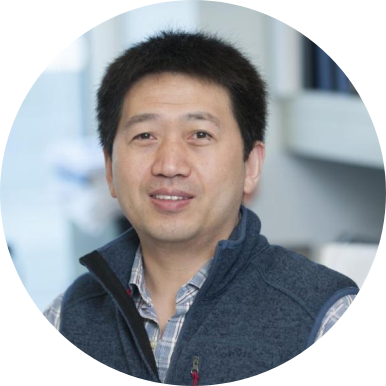
Songhai Shi
Academician of Chinese Academy of Sciences, Dean, School of Life Sciences, Tsinghua University, Director, Tsinghua-IDG/McGovern Institute for Brain ResearchShi Songhai, Qiantang Chair Professor of Tsinghua University. He earned his bachelor's degree in Biological Science and Technology from Tsinghua University in 1996, and a PhD in Genetics and Neuroscience jointly from Cold Spring Harbor Laboratory and Stony Brook University in the United States in 2001. From 2001 to 2006, he conducted postdoctoral research at the University of California, San Francisco and the Howard Hughes Medical Institute. Between 2006 and 2019, he held successive positions as Research Associate/Assistant Professor, Associate Research Scientist/Associate Professor, and Investigator/Professor at Memorial Sloan Kettering Cancer Center and Weill Cornell Medicine in the US. He joined the School of Life Sciences, Tsinghua University on a full-time basis in 2019. Currently he serves as Dean of the School of Life Sciences and Director of the Tsinghua-IDG/McGovern Institute for Brain Research. He was elected Member of the Chinese Academy of Sciences in 2023. He has long dedicated himself to research on the development and functions of the mammalian brain. His team adopts approaches including neurobiology (e.g., electrophysiology and imaging), genetics, molecular, cellular and developmental biology to explore the mechanisms behind the organized assembly and functional operation of the brain. His main research areas cover the regulation of in vivo neural stem cells, the generation and differentiation of neurons, the precise assembly and functioning of neural circuits, and the neural basis of animal behaviors. He also studies the pathogenic mechanisms of major neurodevelopmental disorders such as microcephaly and autism. His research findings have been published in leading journals including Nature, Science, Cell, Nature Neuroscience and Neuron. He has received numerous grants and accolades, such as Top 10 Annual Breakthroughs by Science, Grand Prize for Global Young Life Scientists, Blavatnik Awards for Young Scientists, Howard Hughes Medical Institute (HHMI) Investigator, Outstanding Young Scientist of Beijing Municipal Universities, New Cornerstone Investigator and Beijing Scholar.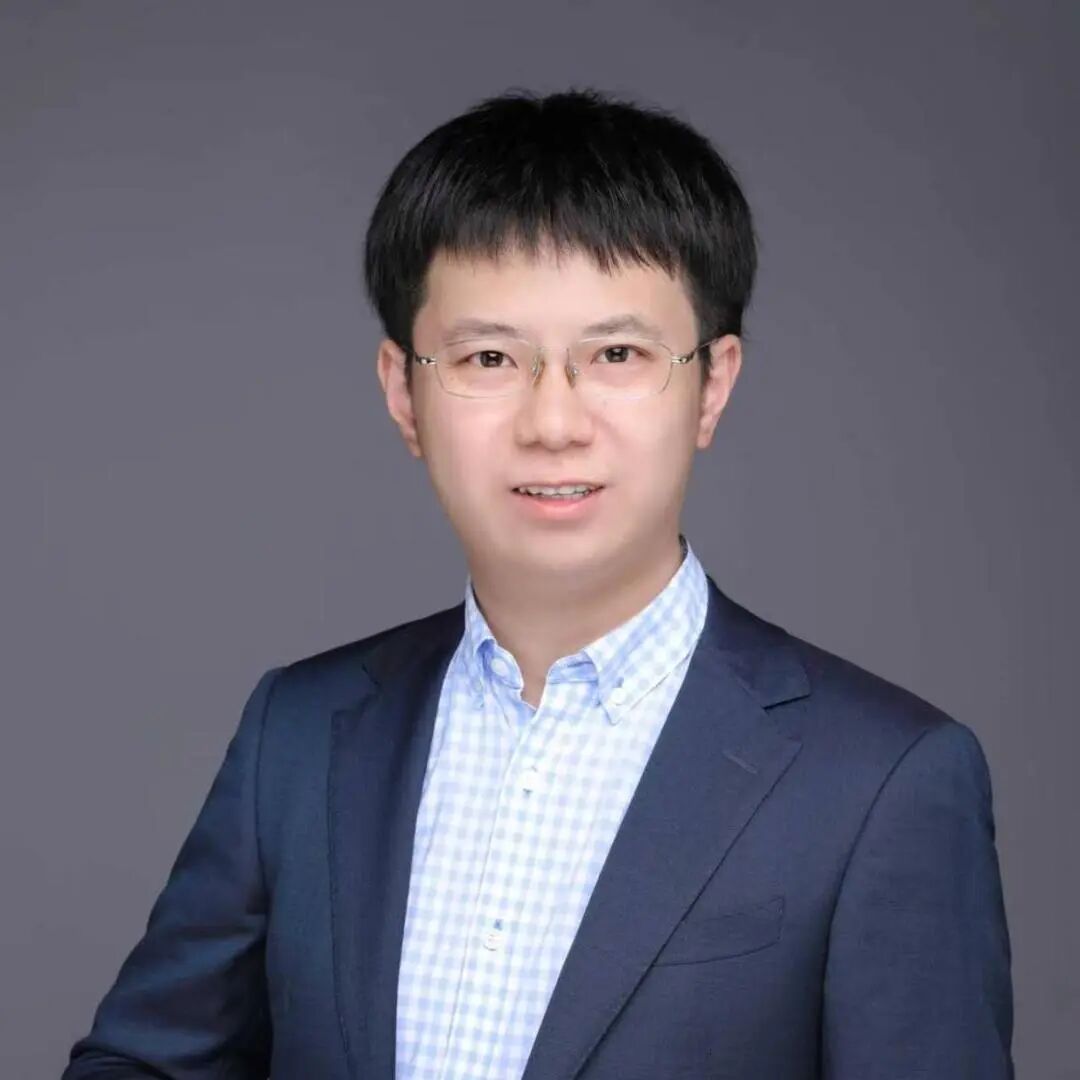
He Wang
Founder and CTO of Galbot, and Researcher at Peking UniversityHe Wang is a Research Fellow and Doctoral Supervisor at the Center for Frontier Computing, School of Computer Science, Peking University, and a recipient of the National Program for Overseas High-Level Talents. He founded Beijing Galaxy Robots and serves as its CTO, focusing his research on developing embodied large models for general-purpose humanoid robots. Dr. Wang has won numerous honors including the Beijing May 4th Youth Medal, the Ant InTech Award, and a spot on MIT Technology Review’s Innovators Under 35 (China Region). His papers were selected as Best Paper Candidate at ICCV 2023, Best Manipulation Paper Candidate at ICRA 2023, winner of the Outstanding Youth Paper Award at the 2022 World Artificial Intelligence Conference (WAICYOP), and received Best Paper Honorable Mention at Eurographics 2019. Prior to joining Peking University, he obtained his Ph.D. from Stanford University in 2021 under the guidance of Professor Leonidas J. Guibas, a fellow of three U.S. national academies, and earned his bachelor’s degree from Tsinghua University in 2014.
Pengwei Wang
Director, BAAI Embodied Model Research CenterWang Pengwei is Director of the Embodied Model Research Center at the Beijing Academy of Artificial Intelligence (BAAI). His research centers on world models and embodied intelligence, and he leads the development of the ORCA world foundation model, RoboBrain embodied large model and RoboOS cross-entity cerebrum-cerebellum collaboration framework. Having worked at prestigious institutions including Microsoft Research Asia (MSRA), Alibaba DAMO Academy and Kuaishou Large Model Center, he boasts extensive experience in large model development and industrial application. He was among the first globally to advance large-scale speech pre-training and integrated speech-semantic technologies, which have been widely deployed for Tmall Genie’s voice interaction services. Currently, he also works as an industrial doctoral supervisor at the Gaoling School of Artificial Intelligence, Renmin University of China, and a doctoral supervisor at the Institute of Automation, Chinese Academy of Sciences.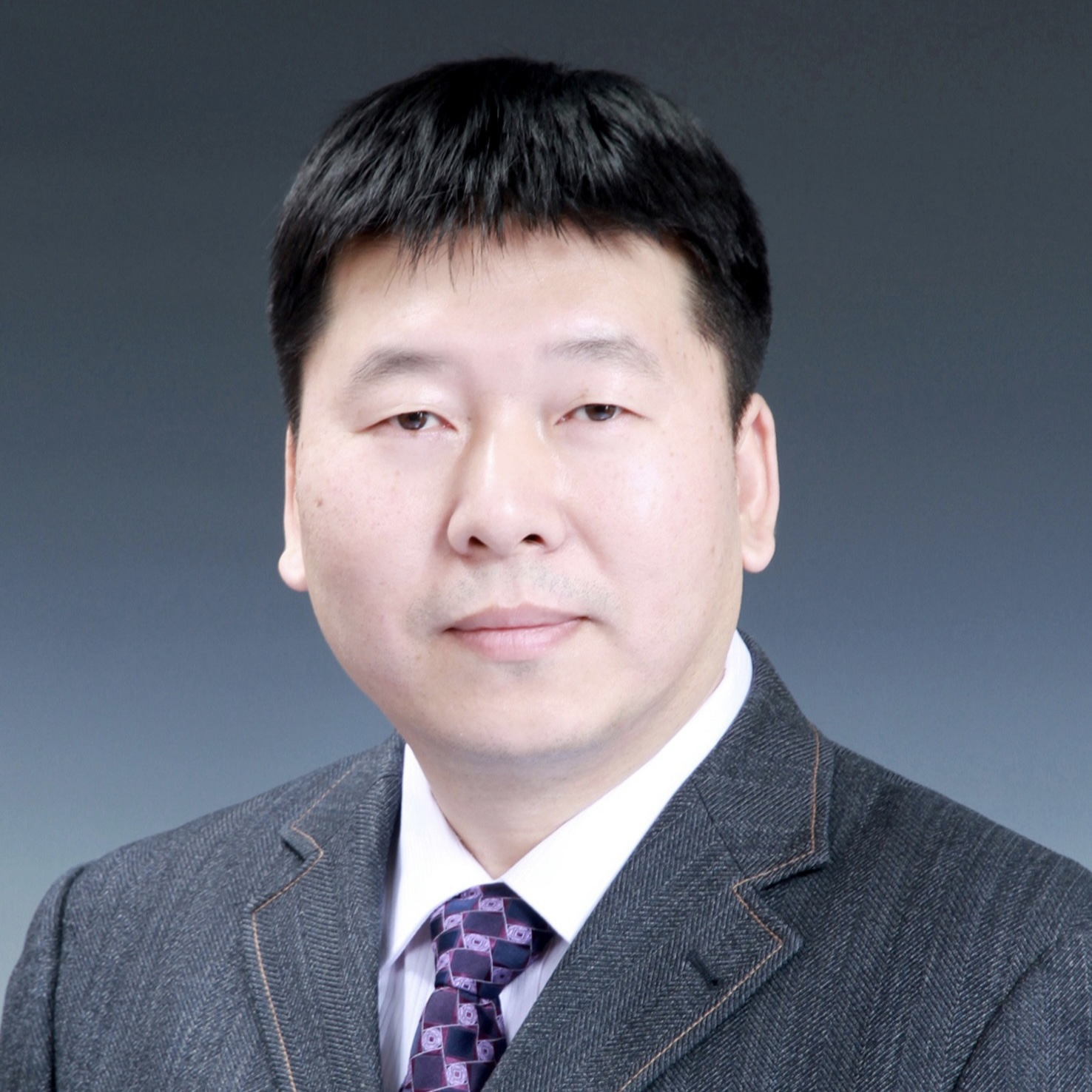
Tao Zhang
Dean, Institute for Embodied Intelligence and Robotics; Department Chair, Department of Automation; Vice Dean, School of Information Science and Technology, Tsinghua UniversityZhang Tao, Tenured Professor of the Department of Automation at Tsinghua University, serves concurrently as Dean of the Institute for Embodied Intelligence and Robotics, Chair of the Department of Automation and Vice Dean of the School of Information Science and Technology of Tsinghua University. He is a Member of the Electronic Information Science and Technology Committee of the Ministry of Industry and Information Technology, Director of the Chinese Association of Automation and Executive Director of the China Simulation Federation, as well as a Fellow of IEEE, IET and AAIA, Fellow of the Chinese Association of Automation, and Member of the IFAC Technical Committee on Robotics. Acting as Chief Scientist for national key R&D programs, his research covers robotics, artificial intelligence and control theory. He has received numerous honors including the National Teaching Achievement Award, Beijing Science and Technology Progress Award, Natural Science Award of the Ministry of Education and Natural Science Award of the Chinese Association of Automation. To date, he has published more than 200 academic papers with over 100 indexed by SCI, compiled over 10 monographs, translated works and textbooks, and been granted more than 30 domestic authorized invention patents.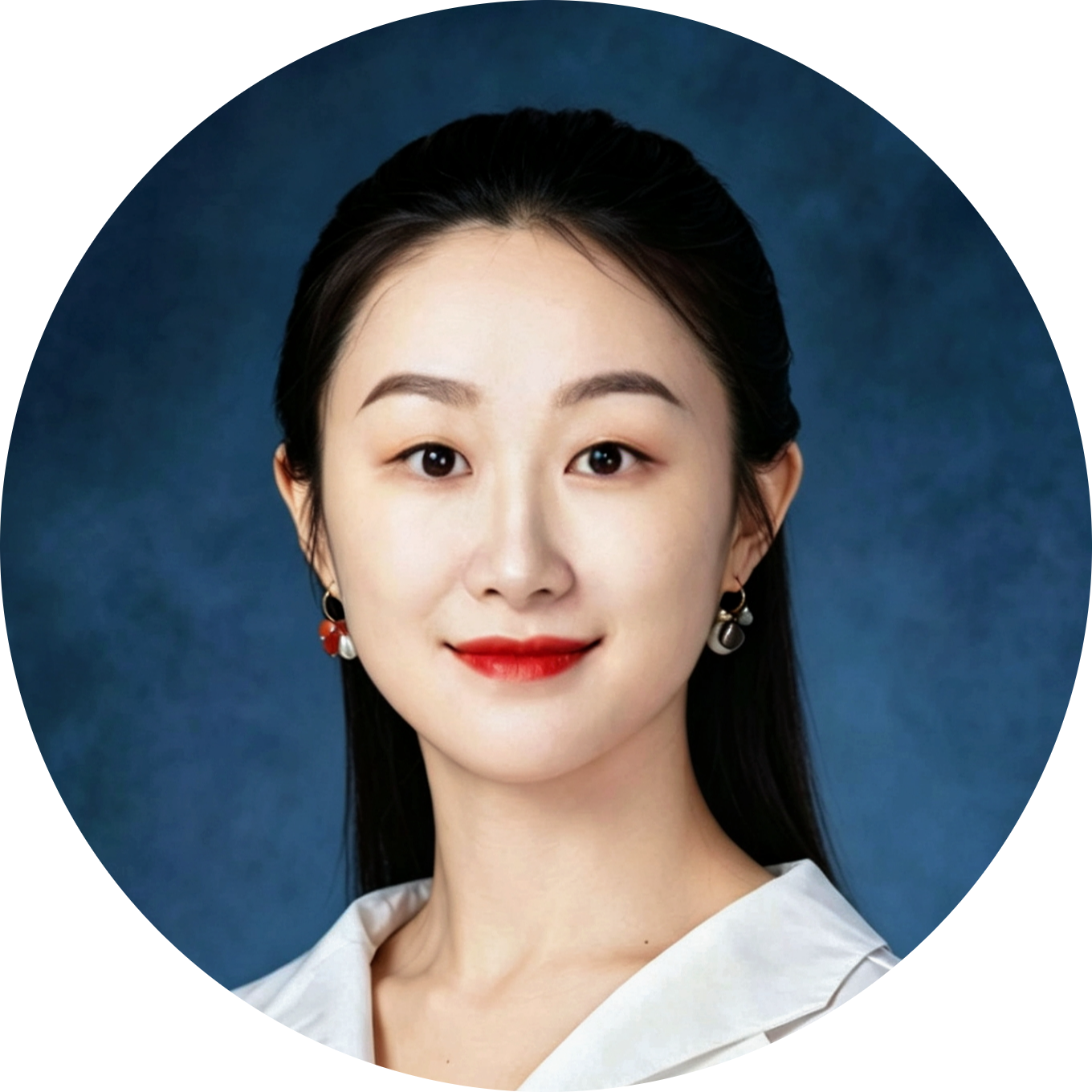
Zhiwei Yu
Research , BAAIYu Zhiwei, Research at BAAI. Her research centers on long-term interaction, continual learning and autonomous adaptation of models within dynamically evolving environments, with a commitment to exploring next-generation intelligent systems for open worlds. Her research interests span world models, embodied intelligence and knowledge computing, with a particular focus on core issues including environmental modeling, long-horizon reasoning and continual decision-making.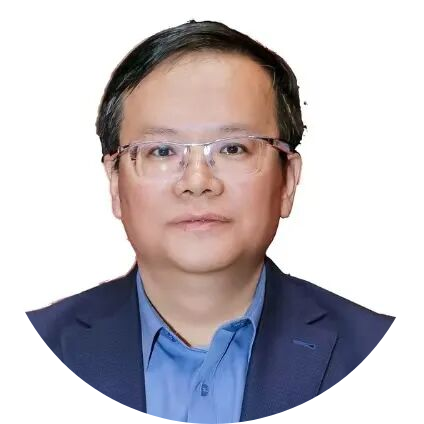
Yonghong Tian
Boya Distinguished Professor, IEEE Fellow, Dean of School of Information Engineering, Peking University Shenzhen Graduate SchoolTian Yonghong, Boya Distinguished Professor and Doctoral Supervisor of Peking University, IEEE Fellow, Dean of the School of Information Engineering, Peking University Shenzhen Graduate School, Deputy Director of the Network Intelligence Department and Director of the Cloud Brain Research Institute at Pengcheng Laboratory, and Recipient of the National Science Fund for Distinguished Young Scholars. His research focuses on distributed machine learning, neuromorphic vision and large-scale video data. He has presided over more than 40 national, provincial/ministerial and industry-sponsored research projects including National Key R&D Programs, Distinguished Young Scholar Program, Key Projects and Major Instrument Projects of the National Natural Science Foundation of China. He has published over 300 academic papers and won two Best Paper Awards from international journals and conferences. He holds 95 invention patents in China and the United States. His research achievements have earned him one Second-Class National Technological Invention Award, one Second-Class National Award for Progress in Science and Technology, one First-Class Science and Technology Progress Award of the Ministry of Education, as well as one First-Class Technological Invention Award and one Second-Class Natural Science Award from the China Institute of Electronics. He is also an inaugural laureate of the Excellent Faculty Award for University Computer Disciplines.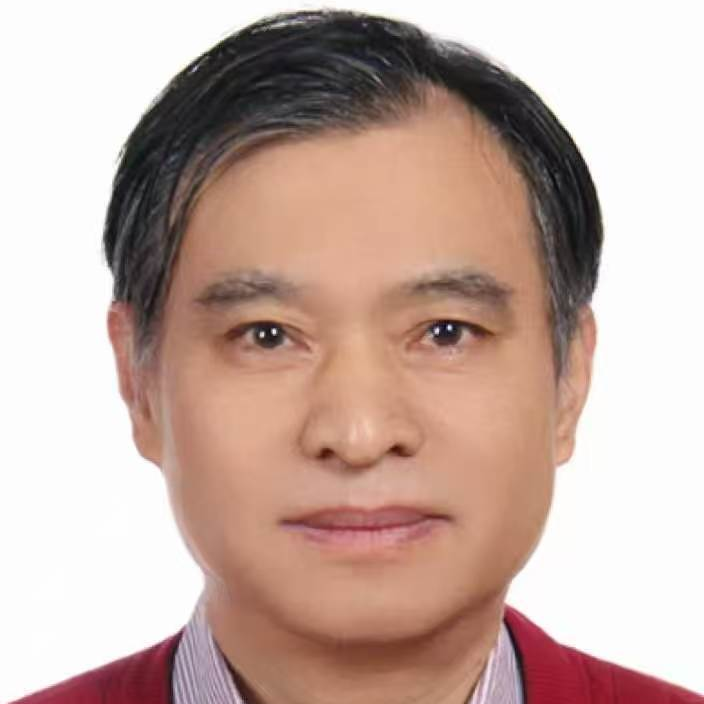
Henggui Zhang
Chief Scientist & Director of Life Simulation Research Center, BAAI; Fellow of the Royal Society of Arts (FRSA), Fellow of the Royal Society of Biology (FRSB)Hengui Zhang Tenured Professor, University of Manchester; Chief Scientist and Director of Life Simulation Research Center, Beijing Academy of Artificial Intelligence (BAAI). He previously worked as Distinguished Chief Professor at the School of Computer Science and Technology, Harbin Institute of Technology and Chief Scientist at Pengcheng Laboratory. As a National Distinguished Expert, he is a pioneer and one of the world’s leading scholars in computational cardiac dynamics. His ongoing research focuses on computational modeling of virtual heart and digital brain systems, with a batch of influential and original research outcomes achieved in computational cardiac dynamics and virtual physiological organs. Computational models built by his team have been extensively used for cardiac function research under various physiological and pathological states. Mathematical, physical and computational technologies developed in his research have also been applied to construct models for other biological systems, including blood vessels, uterus, brain and lungs. He holds fellowships of the Royal Society of Arts (FRSA) and Royal Society of Biology (FRSB). He has presided over many research projects sponsored by the European Union, British Heart Foundation (BHF), Engineering and Physical Sciences Research Council (EPSRC, UK) and National Natural Science Foundation of China (NSFC). He has published more than 500 academic papers, over 280 of which are released in top peer-reviewed SCI journals including Circulation and Nature Communications. His research works have gained more than 15000 total citations with an H-index of 62. He once served as Editorial Board Member of Biological Reviews and currently serves as Associate Editor of Frontiers in Physiology.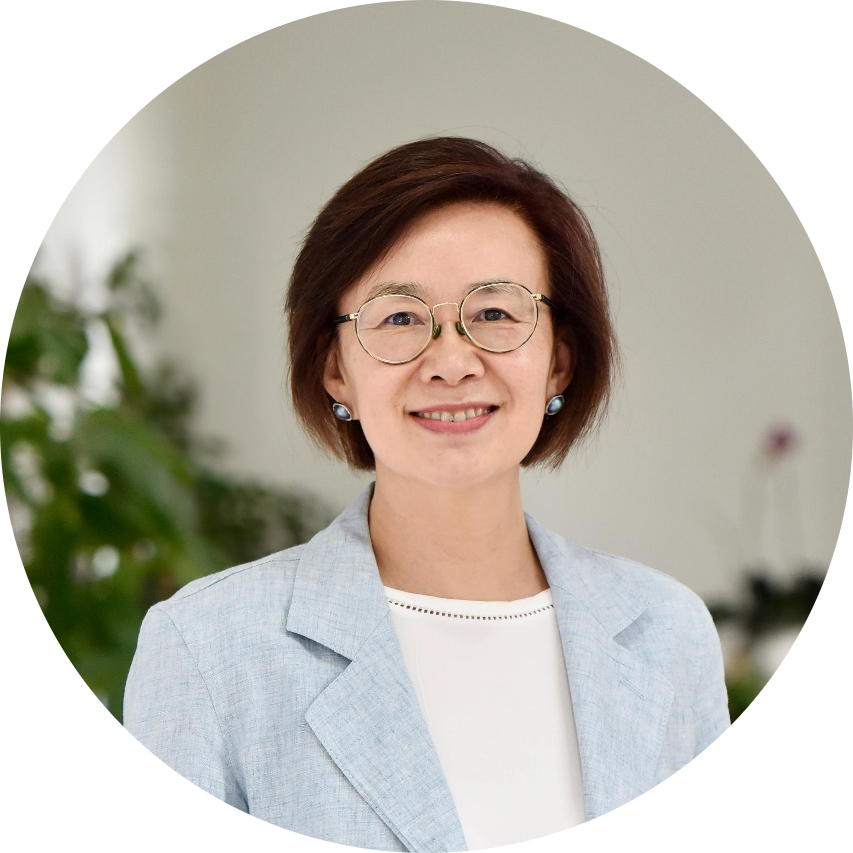
Yihua He
Director, Cardiac Ultrasound Center & Fetal Cardiology Maternal-Fetal Medicine Center, Beijing Anzhen Hospital, Capital Medical UniversityHe Yihua Professor, Beijing Scholar and Expert entitled with Special Government Allowance of the State Council. Currently she serves as Director of Cardiac Ultrasound Center and Fetal Cardiology Maternal-Fetal Medicine Center at Beijing Anzhen Hospital, Capital Medical University, Office Director of National Expert Group on Integrated Management of Fetal Heart Disease, Vice Chairman of Digital Medicine Committee of China Computer Federation, and Committee Member of National Prenatal Diagnosis Expert Group under Maternal and Child Health Department of National Health Commission of China. Having devoted over 30 years to maternal-fetal medicine for fetal heart disease and birth defect prevention and control, she pioneered the innovative full-cycle multidisciplinary management concept for single disease and established China’s first consultation center for fetal heart disease and maternal-fetal medicine. Her research focuses on pathogenesis of cardiovascular diseases and cardiac birth defects, interdisciplinary medical-engineering innovation based on artificial intelligence, as well as clinical industrial transformation, covering basic medical research, intelligent technology development and industrial application of research findings. She has presided over more than 20 national and provincial research projects including the 13th Five-Year National Key R&D Program and international cooperation projects funded by Ministry of Science and Technology, as well as key programs supported by National Natural Science Foundation of China. As first author and corresponding author, she has published over 300 papers in leading international journals including The Lancet Child& Adolescent Health, JAMA Pediatrics, European Heart Journal and Ebiomedicine, among which two research outcomes have been cited in international clinical guidelines. She has led the formulation of 1 industrial standard, 1 clinical guideline and 4 expert consensuses, and participated in compiling another 6 industrial standards and expert consensuses, committing to promoting standardized and high-quality development of domestic fetal heart disease prevention and intelligent cardiovascular medicine.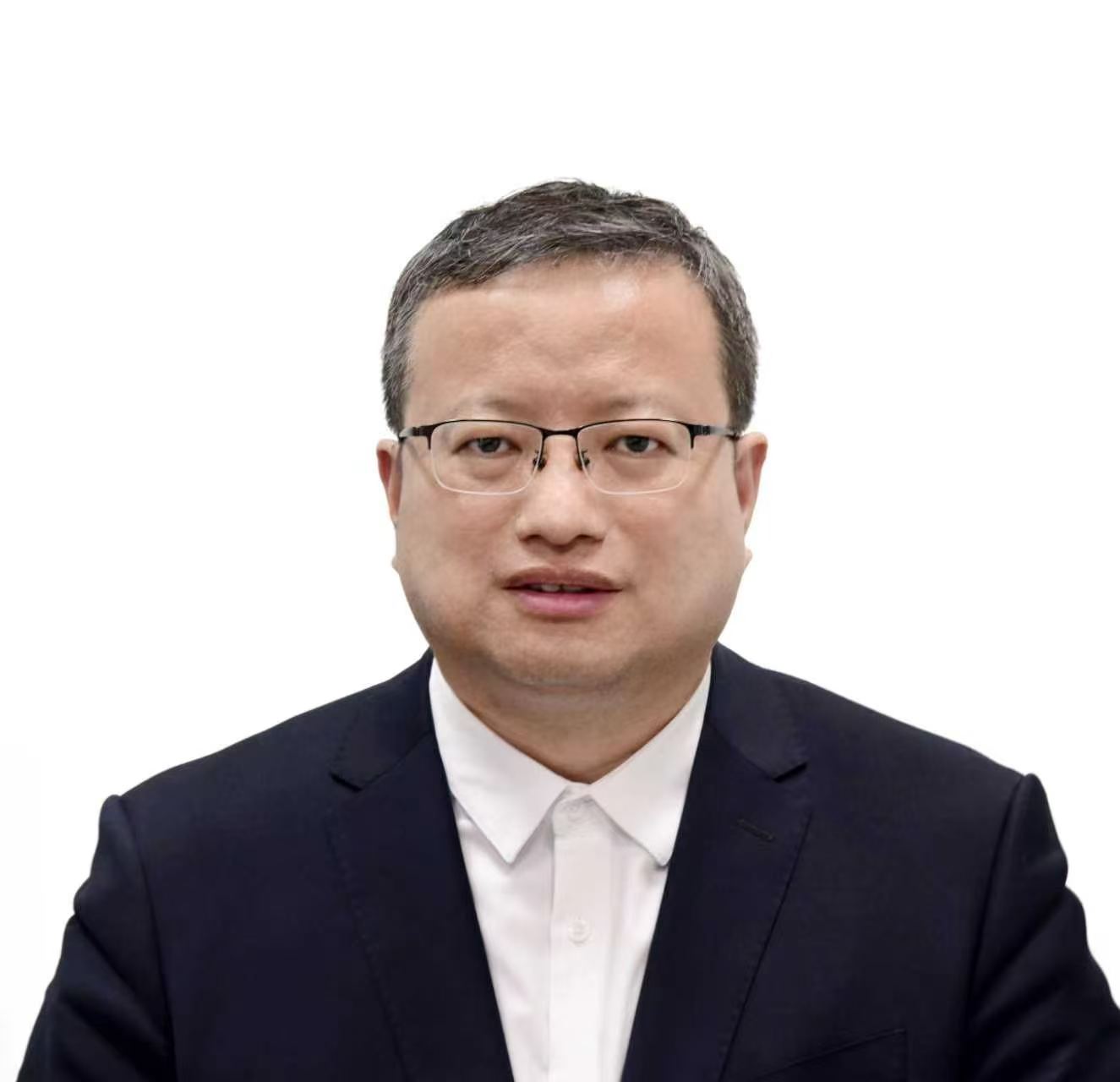
Qi Mi
Deputy Party Secretary & Executive Vice President of RDFZ United School Headquarters; Principal of RDFZPrincipal of the High School Affiliated to Renmin University of China (RDFZ), Executive Vice President of the United School Headquarters of RDFZ, and Senior Secondary School Teacher (Professor Tier)。Member of the Communist Party of China (CPC), Senior Secondary School Teacher (Professor Tier). She/He currently serves as the Principal of RDFZ, Deputy Secretary of the Party Committee of the United School Headquarters of RDFZ, and Executive Vice President of the United School Headquarters of RDFZ. Since joining RDFZ in 2003, she/he has been deeply engaged in physics teaching and STEAM education, leading key research projects sponsored by the Ministry of Education and publishing multiple papers in core journals. Notably, she/he served as the ground classroom teacher for the Shenzhou-10 space lecture. She/He has spearheaded the establishment and preparation of several branch schools, including RDFZ Sanya School, RDFZ Suzhou School, the Yuanboyuan Campus, and the Xiongan Affiliated School of Renmin University of China. Furthermore, she/he led the formulation of the school's 15th Five-Year Development Plan and took the initiative to release the Artificial Intelligence Action Plan for RDFZ and its United School Headquarters, constructing an integrated system for talent cultivation. Her/His exceptional contributions have earned her/him titles such as Beijing Backbone Physics Teacher and Pioneer of Teacher Ethics, as well as honors including Outstanding CPC Member of Hainan Province and the May 1st Labor Medal.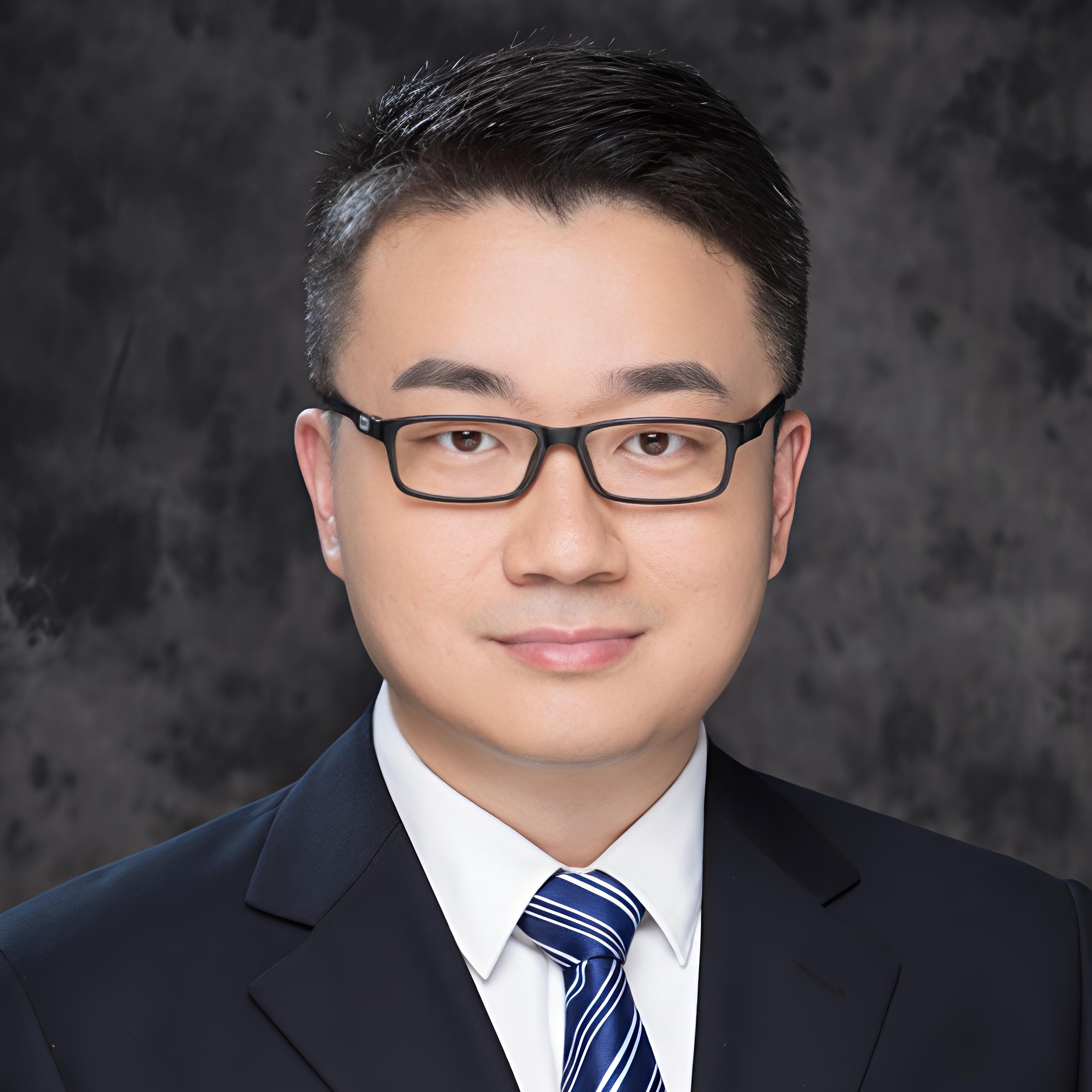
Zhiyuan Liu
Professor and Doctoral Supervisor, Department of Computer Science, Tsinghua University; Chief Scientist of ModelBestHis main research interests include natural language processing, knowledge graphs, and social computing. He has published over 200 papers in leading international journals and conferences in the field of artificial intelligence, such as ACL, EMNLP, IJCAI, and AAAI. According to Google Scholar, his work has received more than 89,000 citations, with an H-index of 132. He has been recognized as an Elsevier China Highly Cited Scholar for four consecutive years (2020–2023), named to the MIT Technology Review Innovators Under 35 China list, and selected for the Young Elite Scientists Sponsorship Program (YESS) by the China Association for Science and Technology.
Clara Chan
CEO, Hong Kong Investment Corporation LimitedMs. Chan was appointed as the first Chief Executive Officer of Hong Kong Investment Management Limited in October 2023, heading the strategic investment flagship of the Hong Kong Special Administrative Region Government. She boasts extensive senior leadership experience in investment management and financial stability. Joining the Hong Kong Monetary Authority (HKMA) in 2010, she led the private markets team and delivered outstanding performance for the Exchange Fund Investment Office. She has made remarkable contributions to safeguarding Hong Kong’s financial stability, ensuring the smooth operation of the Linked Exchange Rate System, and advancing the development of financial infrastructure and payment systems. Earlier in her career, Ms. Chan held various policy-making positions in the HKSAR Government, covering home affairs, cross-boundary infrastructure and financial affairs. Currently, Ms. Chan serves as a Member of the Council and Chair of the Audit Committee of Lingnan University. She is also a Board Member of the Leung Hoi Yuen Ovarian Cancer Foundation, devoting herself to initiatives related to gynaecological cancers. On the international front, she is a Board Member of Focusing Capital on the Long Term Global (FCLTGlobal). From 2023 to 2024, she served as Co-Chair of the World Economic Forum Global Future Council on Responsible Investing. A barrister admitted by the High Court of Hong Kong, Ms. Chan is widely recognised for her leadership and influence across the financial industry. She received the Asia Industry Leadership Award from 100 Women in Finance in 2016. In 2020, she was named in Private Equity International’s Global List of 40 under 40. She was also featured in Forbes Asia’s Power Businesswomen 2024 and Fortune’s Most Powerful Women in Asia 2025.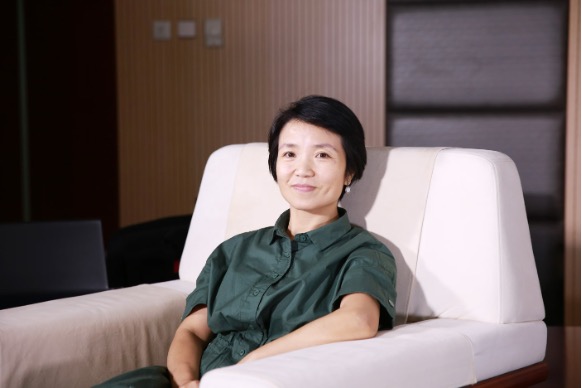
JunLan Feng
IEEE Fellow, Chief Scientist of China Mobile Group, and Vice Chair of the Artificial Intelligence Working Committee of the Internet Society of ChinaDr. Junlan Feng is the Chief Scientist of China Mobile Group, an IEEE Fellow, Vice Chair of the Artificial Intelligence Working Committee of the Internet Society of China, and Chairperson of the Board of Directors of the Linux Foundation Networking (2020–2023).Dr. Feng received her Ph.D. in Acoustics from the Chinese Academy of Sciences in 2001. In the same year, she joined AT&T Labs Research in the United States, where she served as Senior Researcher and Principal Researcher. In 2013, Dr. Feng joined the China Mobile Research Institute, where she led the establishment of the "Jiutian" Artificial Intelligence Team. In response to major national strategies and the demands of high-quality industrial development, she has tackled key core technologies in AI, originally proposed and developed systematic AI technologies and platforms, and spearheaded the full-stack technological breakthrough of the Jiutian Large Model from 0 to 1. She has built a full-stack AI capability system covering AI platforms, model capabilities, and large-scale applications. These technological achievements have empowered China Mobile's internal production and business operations at scale—including customer service, networks, and business management—while deeply empowering more than ten external industries such as energy, civil aviation, government affairs, healthcare, and agriculture.Dr. Feng and the China Mobile Jiutian AI Team under her leadership have undertaken over 20 major national key projects and won more than 30 international algorithm competition awards as well as national, provincial, and ministerial awards. Dr. Feng has published over 200 academic papers in international conferences and journals and holds more than 100 patents at home and abroad. She serves as a reviewer and program committee member for major international AI conferences and journals, and holds or has held 15 positions as a committee member or vice chair in domestic and international academic institutions, including the IEEE.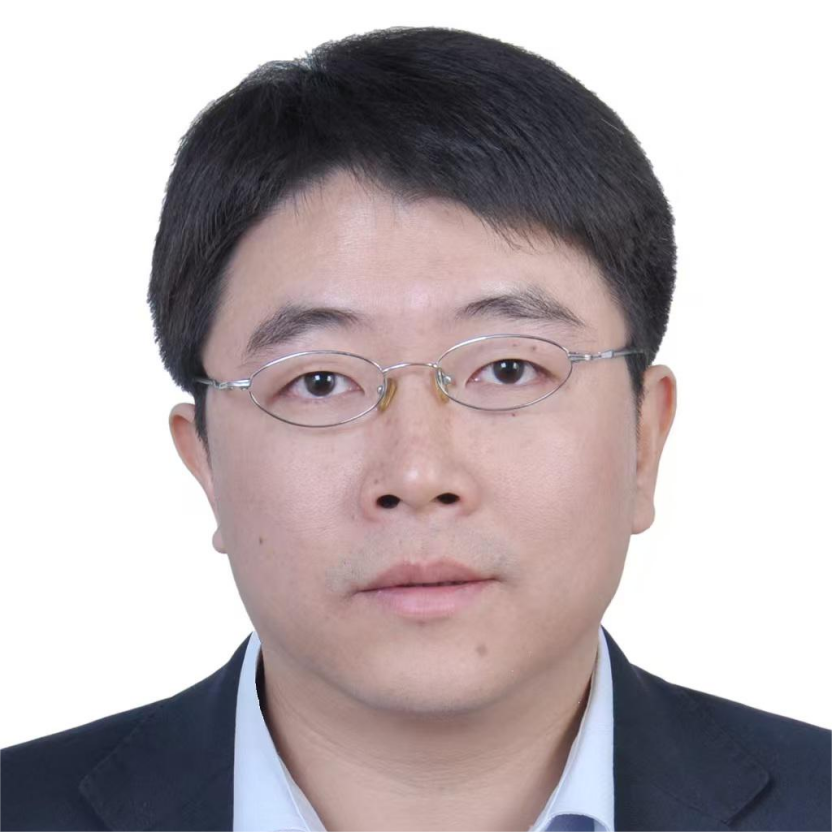
Ji Rong Wen
Executive dean of Gaoling School of Artificial Intelligence at Renmin University of China (RUC)Ji Rong Wen, Professor and Executive Dean of the Gaoling School of Artificial Intelligence at Renmin University of China. Former Senior Researcher and Director of the Web Search and Data Mining Group at Microsoft Research Asia. Recognized in the National High-level Talent Program and the Beijing Outstanding Young Scientists Program. Serves as a member of the Central United Front Work Department's Expert Group for Non-Party Intellectuals' Advice and Suggestions, a standing committee member of the 14th Beijing Municipal Committee of the Chinese People's Political Consultative Conference, and a standing director of the China Computer Federation. Long dedicated to research in artificial intelligence, he has published over 500 papers in renowned international academic conferences and journals, with a total citation count exceeding 67,000 and an H-index of 108. In recent years, he has focused on large model research, leading his team to develop Wenlan, the first Chinese multimodal large model; the Yulan series of large models with independent intellectual property; and LLaDA, the first open-source diffusion large language model.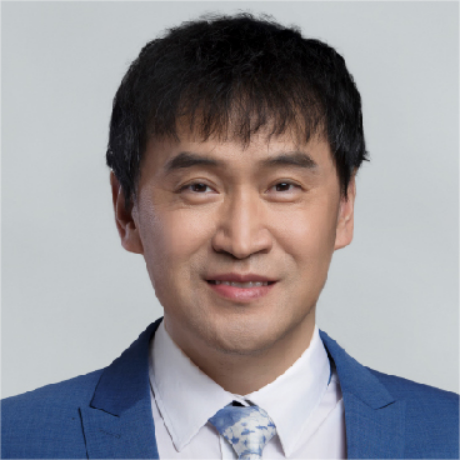
Longchen
President of Luohan AcademyLong Chen is President of Luohan Academy and Founder of Weixi Management Consulting Co., Ltd. He previously served as Chief Strategy Officer of Ant Financial and President of Strategic Planning at Alibaba Group. In academia, he was granted tenure at the Olin Business School of Washington University in St. Louis before returning to China to join the Cheung Kong Graduate School of Business (CKGSB) as Associate Dean. During his tenure at CKGSB, he founded the Doctor of Business Administration (DBA) program and later chaired the Alumni Council. He subsequently served as Executive Provost of the Hupan Learning and Research Center of Entrepreneurship.