

BAAI CONFERENCE
Recognized as the premier, in-depth event for the global AI community, the BAAI Conference has run successfully for seven editions since 2019. Over the years, the conference has welcomed attendees from over 30 countries, hosted a dozen Turing Award laureates and 1,000+ top experts, and amassed a registered attendance exceeding 600,000. The 8th BAAI Conference 2026 is set for a grand opening from June 12 to 13 at the Zhongguancun International Innovation Center in Beijing. Continuing its visionary and authoritative tradition, this year’s event will focus on cutting-edge AI advancements and core challenges, delivering an unparalleled intellectual feast for the global community. Invitation
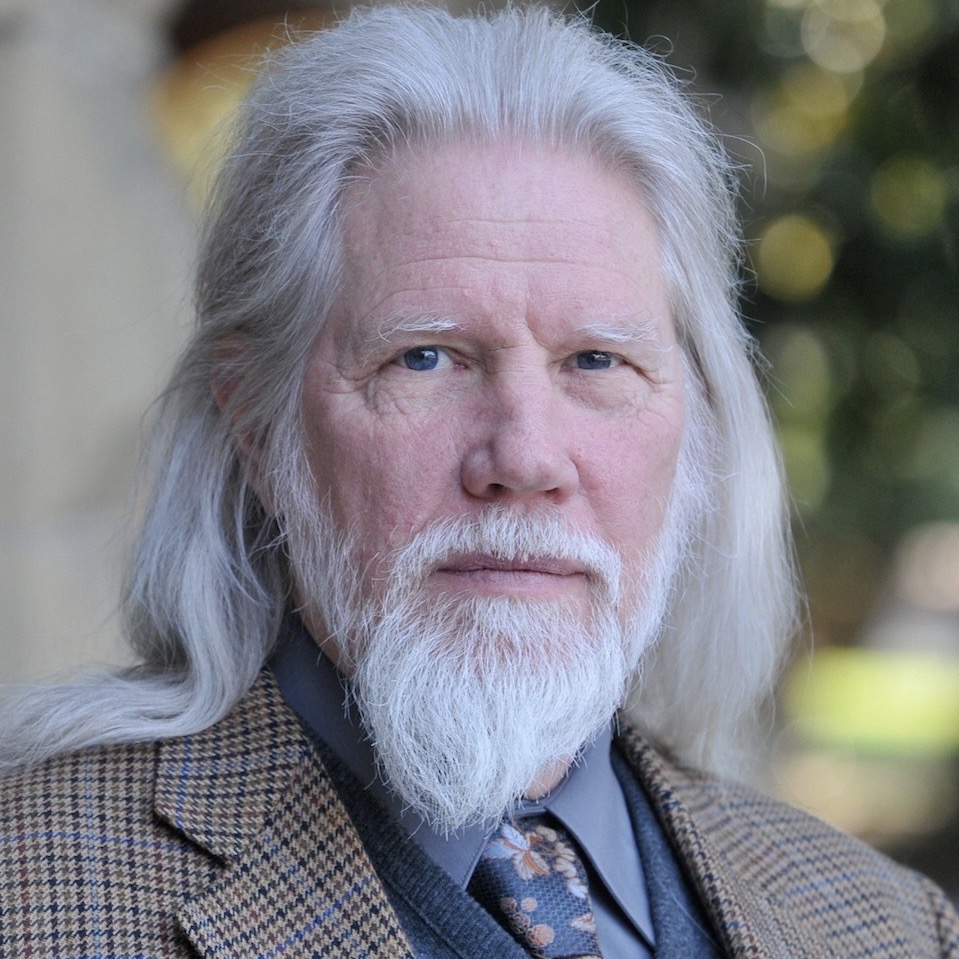
Whitfield Diffie
Turing Award Laureate, Founder of Modern Digital Security Systems, Member of the National Academy of EngineeringDr. Whitfield Diffie is best known for his 1975 discovery of the concept of public key cryptography, which he developed along with Stanford University Electrical Engineering Professor Martin Hellman. Public key cryptography, which revolutionized not only cryptography but also the cryptographic community, now underlies the security of the global digital economy. Diffie was winner, together with Hellman, of the 2015 Turing Award, often referred to as the Nobel Prize of Computing. Of the many honors Diffie has received, he is most proud of are being a Foreign Member of the Royal Society, a Member of the National Academy of Engineering, a Member of NSA's Cryptologic Hall of Honor and a Member of the National Inventors Hall of Fame. Diffie received a B.S. in Mathematics from M.I.T. and holds an honorary doctorate from the Swiss Federal Institute of Technology for the creation of a new field of science. Diffie is an honorary fellow of Gonville and Caius College of Cambridge University. Diffie is also the co-author with Prof. Susan Landau, now at Tufts University, of the book Privacy on the Line: The politics of wiretapping and encryption, which has won the Donald McGannon Award for Social and Ethical Relevance in Communications Policy Research and the IEEE-USA award for Distinguished Literary Contributions Furthering Public Understanding of the Profession.

Andrew Barto
Turing Award Laureate, Founding Father of Reinforcement Learning, Professor of Computer Science, University of Massachusetts AmherstAndrew Barto is an American computer scientist. He is Professor Emeritus of Information and Computer Sciences at the University of Massachusetts Amherst. Dr. Barto is considered one of the founders of modern computational reinforcement learning, having made several fundamental contributions to the field, including real-time dynamic programming, actor-critic control architecture, and intrinsically motivated reinforcement learning. In 2024, he received the Turing Award from the Association for Computing Machinery together with Richard Sutton; the citation of the award read: “For developing the conceptual and algorithmic foundations of reinforcement learning.

Sethu Vijayakumar
Professor of Robotics, University of Edinburgh; Programme Director, The Alan Turing Institute, London; Fellow of the Royal Society of Edinburgh, UKProfessor Sethu Vijayakumar is the Professor of Robotics at The University of Edinburgh, UK, where he holds the Microsoft RAEng Chair. He is the Founding Director of the Edinburgh Centre for Robotics and a Fellow of the Royal Society of Edinburgh. Professor Vijayakumar has pioneered the use of data-driven Machine Learning methods for the real-time adaptive control of anthropomorphic robotic systems including the SARCOS and HONDA humanoids, several upper and lower limb exoskeletons and more recently, the NASA Valkyrie robot in a collaboration with the Johnson Space Centre (JSC). He has authored over 250 peer-reviewed publications in world leading conferences and journals in the areas of robotics, machine learning and human sensorimotor control. He helps shape the UK's Robotics and Autonomous Systems agenda in his role as the Programme Director for AI and Human-Machine Interfaces at The Alan Turing Institute in London.

Wolfgang Maass
Professor of Computer Science, Graz University of Technology; Director of ELLIS Unit GrazWolfgang Maass is a Professor of Computer Science at Graz University of Technology in Austria. He also is Director of the ELLIS Unit Graz (ELLIS = European Lab for Learning and Intelligent Systems). In 2013 he was elected to the European Academy of Science, and in 2026 a Distinguished Scientist by the Chinese Acadamy of Science. His main interests are Neuro-Inspired AI, Computational Neuroscience, amd Computational Complexity Theory. His work helped to establish spiking neural networks and reservoir computing (liquid computing) as major research areas in Neuro-Inspired AI. In his recent work he has investigated, in collaboration with junior scholars from China, which insights from architectures and algorithms of the brain provide new ideas for energy- efficient AI solutions, how they can enable continual learning, and how they can make AI decision context-aware and explainable.

Weiwen Liu
Associate Professor, Shanghai Jiao Tong UniversityLiu Weiwen, Associate Professor at Shanghai Jiao Tong University, is currently an Associate Professor and Doctoral Supervisor at the School of Computer Science, Shanghai Jiao Tong University. She once worked as a Principal Researcher at Huawei Noah's Ark Lab and received her Ph.D. degree from The Chinese University of Hong Kong in 2020. Her research mainly focuses on large model agents, large language models and information retrieval. She has published over 80 papers in top-tier international conferences and journals, holds 12 research patents, and has one ESI Highly Cited Paper. She has received numerous honors including the DLP-RecSys Best Paper Award, the Special Prize for Top 10 Vertical Domain Large Models, Huawei 2012 CEO Individual Award and the Innovation Pioneer Award. The open-source ToolACE series models developed by her team rank first among counterparts on BFCL, the authoritative global benchmark for large model tool calling, with more than 600,000 downloads on HuggingFace, leading the world. Additionally, she has long served as an Area Chair and reviewer for prestigious conferences and journals such as ICLR, ICML and KDD.
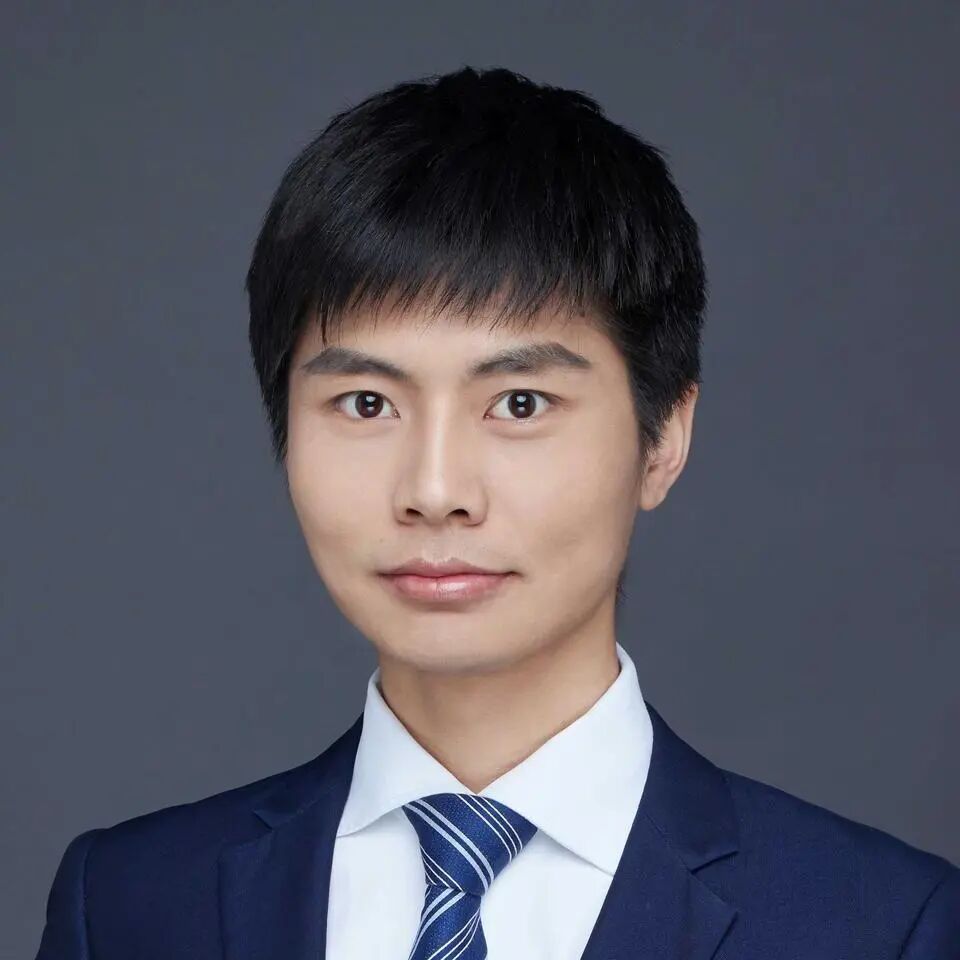
Haoran Li
Associate Researcher at the Institute of Automation, Chinese Academy of SciencesLi Haoran is an Associate Researcher and Master's Supervisor at the Institute of Automation, Chinese Academy of Sciences, as well as a BAAI Young Scholar. His research mainly focuses on deep reinforcement learning and its applications in embodied systems. He has published more than 50 papers in international journals including IEEE TNNLS, TCYB, TSMCS and top conferences such as NeurIPS, ICLR, RSS, CVPR, ICRA and CoRL. He has presided over and participated in the Youth Program, sub-projects of Major Programs, and Key Programs of the National Natural Science Foundation of China. He has won 5 championships and 3 first prizes in multiple domestic and international robotics competitions, and received the Second Prize of Natural Science of the Beijing Science and Technology Award.
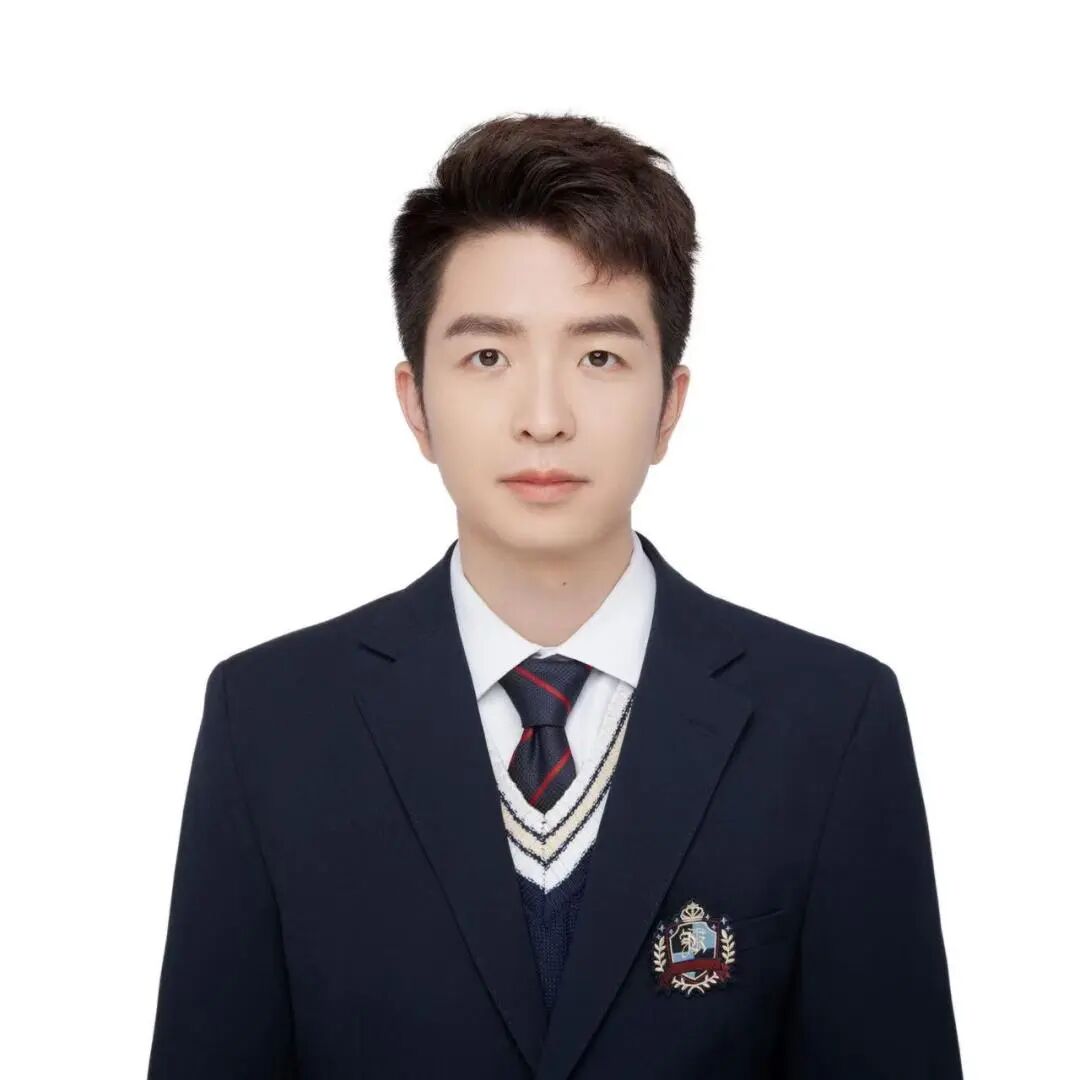
Ziniu Li
Ph.D., The Chinese University of Hong Kong (CUHK)Li Ziniu, Ph.D. from The Chinese University of Hong Kong, was supervised by Professor Luo Zhiquan. His research focuses on the efficiency and stability of large-scale reinforcement learning training. He has published more than 20 papers in top machine learning conferences such as ICML and NeurIPS, as well as journals including TPAMI and JASA. His research has received recognitions including the Runner-up Best Paper Award at the NeurIPS FITML Workshop, NeurIPS Spotlight, and ICLR Oral. In addition, his research achievements have been deployed and applied in industrial scenarios at ByteDance, Tencent and other leading tech companies.
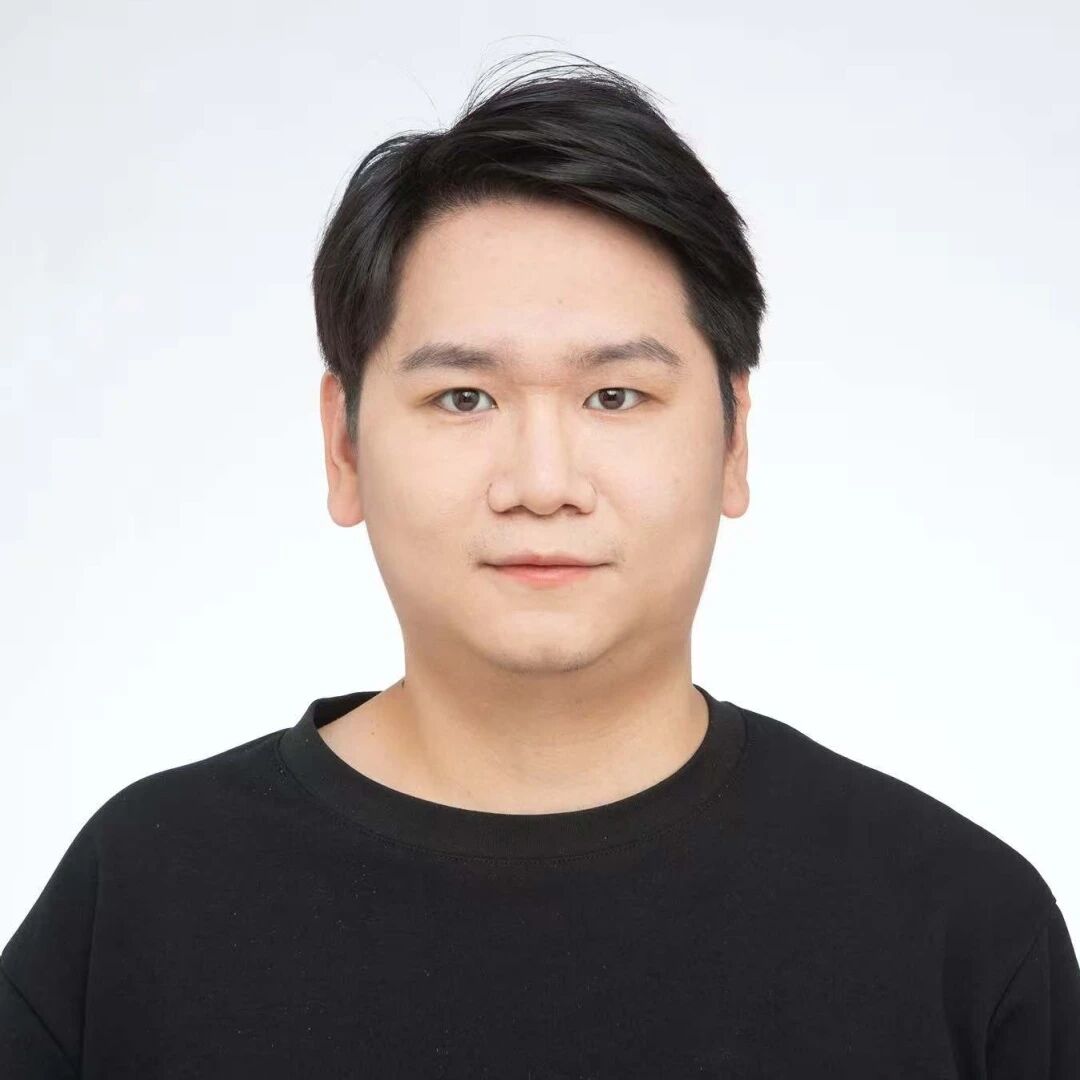
Shusheng Xu
Senior Algorithm Expert at Ant Group & Algorithm Lead of the AReaL ProjectXu Shusheng is a Senior Algorithm Expert at Ant Group and Algorithm Lead of the open-source reinforcement learning framework AReaL. He led the design of AReaL’s fully asynchronous RL training architecture, which achieves a 2.77-fold training acceleration compared with synchronous schemes. Trillion-parameter-level Agent models have been successfully trained based on this framework, reaching state-of-the-art industry standards. The project has gained more than 5,000 GitHub stars since being open-sourced. He obtained his PhD from the Institute for Interdisciplinary Information Sciences and his bachelor’s degree from the Department of Electronic Engineering, Tsinghua University. His research focuses on large language models and reinforcement learning, and he has published over ten papers in top international conferences such as ICML, ICLR, NeurIPS and EMNLP. Among them, his first-author research on RLHF of large models was accepted as an Oral paper at ICML 2024. In this lecture, he will share the system design and practical experience of AReaL in Agentic RL training.
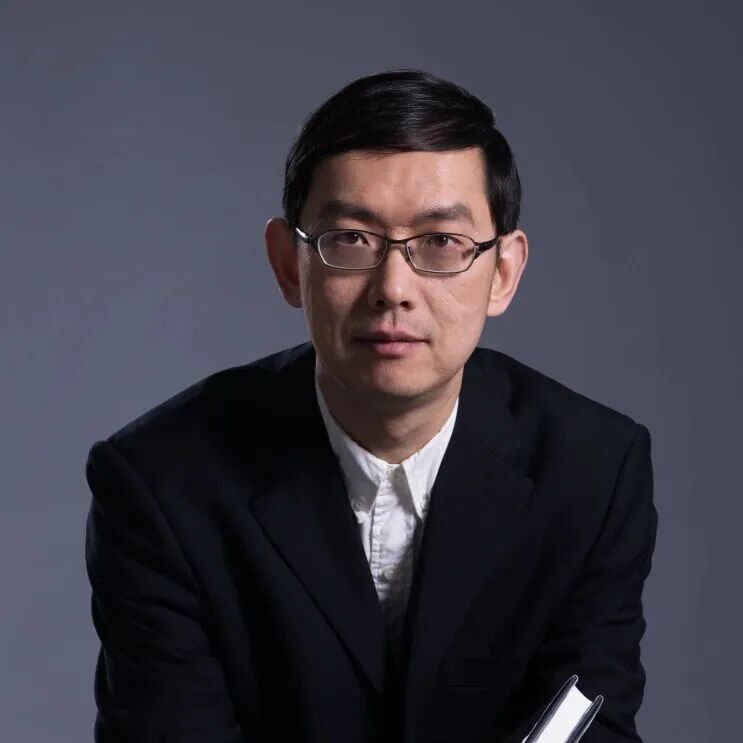
Yue Zhang
Vice Dean, School of Engineering, Westlake UniversityProfessor Yue Zhang is currently Vice Dean and Tenured Professor of the School of Engineering, Westlake University. He earned his bachelor’s degree in Computer Science from Tsinghua University, followed by his master’s and doctoral degrees from the University of Oxford, and completed his postdoctoral research at the University of Cambridge. Prior to joining Westlake University in 2018, he worked as an Assistant Professor at Singapore University of Technology and Design (SUTD) from 2012 to 2018.
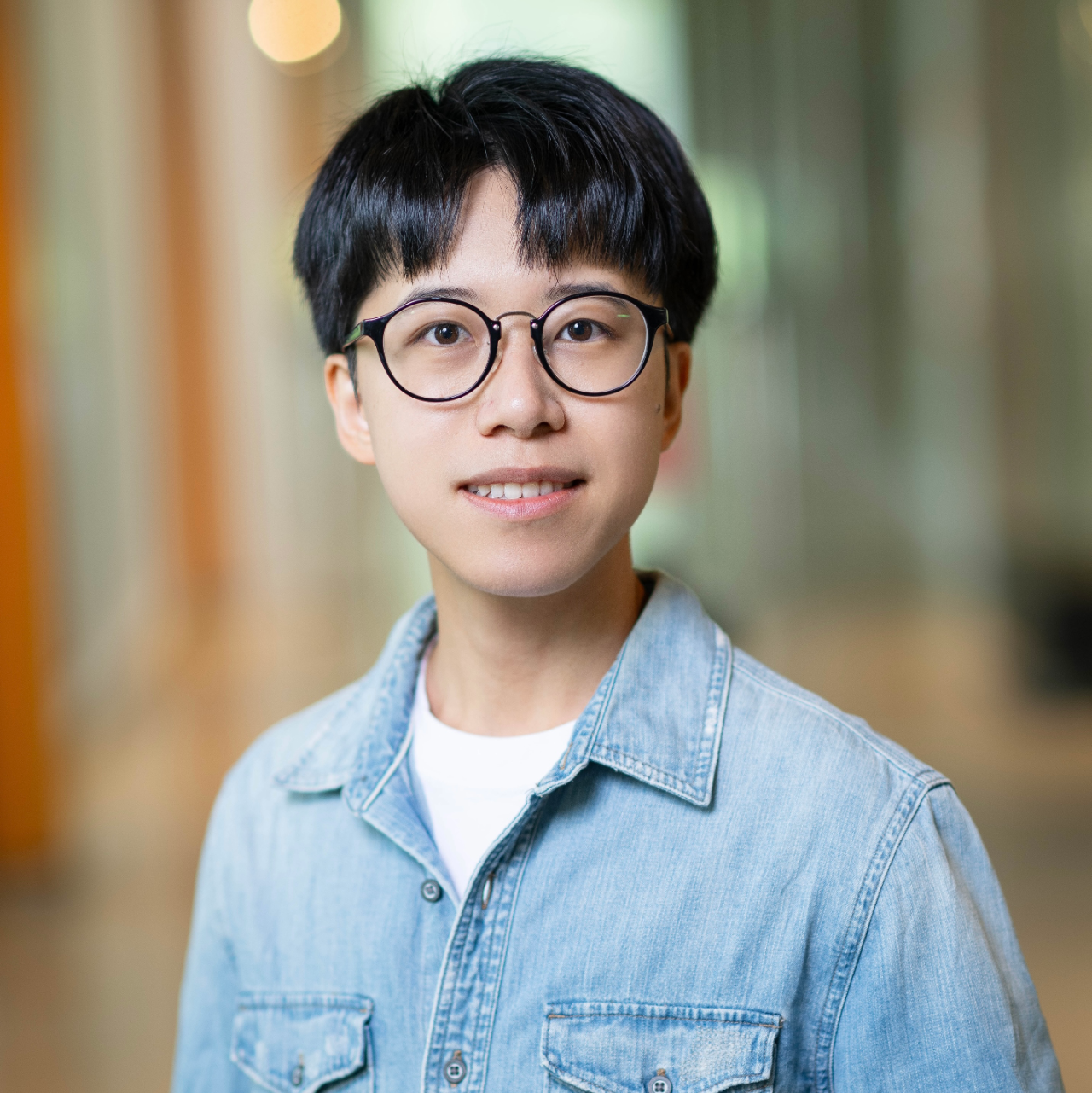
Xiaoxiao Li
Associate Professor, University of British Columbia (UBC)Li Xiaoxiao is currently an Associate Professor and PhD Supervisor in the Department of Electrical and Computer Engineering at the University of British Columbia (UBC), Director of the UBC Trusted and Efficient AI (TEA) Lab, Canada CIFAR AI Chair, Canada Tier II Research Chair in Trustworthy AI, and Visiting Researcher at Google. Her research interests lie in trustworthy and efficient artificial intelligence, covering the trustworthiness and efficiency of machine learning algorithms and foundation models, AI agent systems, as well as interdisciplinary research between artificial intelligence and cognitive neuroscience. She is committed to developing next-generation trustworthy AI systems to bridge the gap between AI research and practical applications. As first and corresponding author, she has published numerous papers in top-tier international conferences and journals including ICLR, ICML, NeurIPS, CVPR, Nature Methods, IEEE TMI and MedIA. Her representative works include FedBN, BrainGNN, FairMedFM and GMValuator, covering cutting-edge research directions such as trustworthy federated learning, training and evaluation of large language models, data valuation for generative models and time series forecasting. She serves as Area Chair for NeurIPS 2024-2026 and ICLR 2025, and Editorial Board Member of Medical Image Analysis.
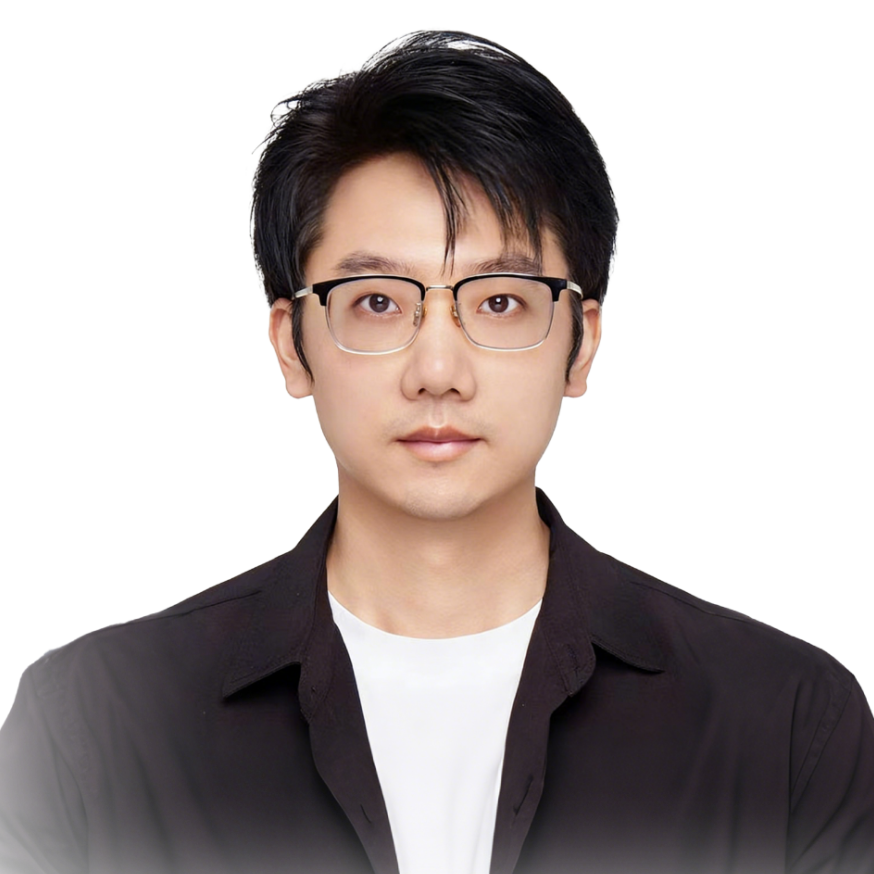
Chao Huang
Assistant Professor, The University of Hong KongHuang Chao is currently Assistant Professor and PhD Supervisor at the University of Hong Kong. His research covers large-scale AI agents, large language models (LLMs) and graph machine learning, with his publications gaining over 17,000 citations on Google Scholar. His team has launched a host of influential open-source projects including nanobot, LightRAG, CLI-Anything, DeepCode, AI-Trader, RAG-Anything, DeepTutor, AutoAgent and AI-Researcher. As the leader of the HKUDS GitHub open-source platform, he has earned more than 270,000 GitHub stars, ranking among the world’s Top 50 and featuring on GitHub Trending over 120 times. In recognition of his contributions to AI open-source development, he was conferred the 2024 WAIC Cloud Sail Bright Star Award and the 2024 ICBS Frontier Science Award, and was selected for the 2025 AI100 Young Pioneers and the 2025 AI 2000 Most Influential Scholars list. His research papers have been repeatedly listed as highly influential papers at top international AI conferences and received numerous Best Paper Nominations.

Jian Tang
Associate Professor, MilaTang Jian is currently an Associate Professor at Mila, Quebec AI Institute founded by Turing Award laureate and Godfather of AI Yoshua Bengio, Assistant Professor and doctoral supervisor at the Faculty of Computer Science and Faculty of Business Administration of Université de Montréal, as well as a CIFAR AI Chair. His main research directions include graph representation learning, graph neural networks, knowledge graphs and drug discovery. He won the Best Paper Award at ICML 2014 and received Best Paper Nomination at WWW 2016. He has published a series of classic papers in graph representation learning such as LINE and RotatE. He co-developed TorchDrug, the world’s first open-source machine learning platform for drug discovery with NVIDIA, IBM and Intel. He has repeatedly served as Area Chair for top machine learning conferences ICML and NeurIPS, and Action Editor of the top journal JMLR.

Shuxin Zheng
Vice President, Zhongguancun Institute of Artificial IntelligenceZheng Shuxin, Vice President of Zhongguancun Institute of Artificial Intelligence, Associate Professor of Beijing Zhongguancun University and Co-Dean of AI Business School, earned his doctoral degree from University of Science and Technology of China. He once served as Principal Researcher at Microsoft Research Asia. His main research focuses on large model algorithms and scientific intelligence. His research findings have been published on the cover of *Science*, subsidiary journals of *Nature* and top international conferences. He has authored more than 30 academic papers with over 7,000 Google Scholar citations and won multiple championships in international AI competitions. In industrial practice, he has promoted the construction of achievement transformation system at Zhongguancun University, incubated more than ten AI technology enterprises with total financing exceeding 300 million yuan and overall valuation surpassing 1 billion yuan. He also holds concurrent positions including external expert member of the Investment Decision Committee of National AI Industry Investment Fund, Adjunct Professor at China University of Political Science and Law, industrial supervisor of Chinese Academy of Sciences and Associate Editor of AI for Science.
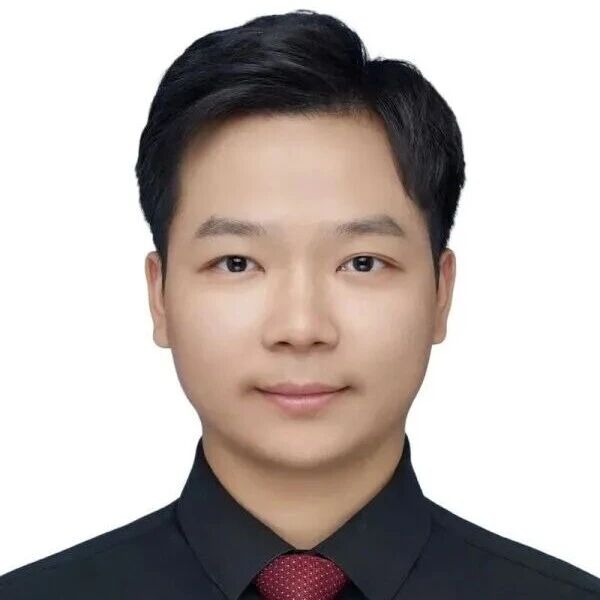
Yuyu Luo
Assistant Professor, HKUST (Guangzhou) & Joint Assistant Professor, HKUSTLuo Yuyu is an Assistant Professor at The Hong Kong University of Science and Technology (Guangzhou), a Joint Assistant Professor at The Hong Kong University of Science and Technology, and a PhD Supervisor. His research interests focus on autonomous agents and data-centric AI. He has published over 60 papers in top conferences including SIGMOD, VLDB, ICML, ICLR, and KDD. His ongoing projects include a National Major Science and Technology Project and a Young Scientists Fund of the National Natural Science Foundation of China. His honors include the World Artificial Intelligence Conference Yunfan Award, Forbes China 30 Under 30, Best-of-SIGMOD 2023 Papers, Huawei Spark Award, and Outstanding Doctoral Dissertation Awards from Tsinghua University and CCF. He leads the open-source agent projects DeepEye and OpenManus (over 55,000 GitHub stars) and received a Silver Medal at the Geneva Inventions Exhibition. He serves as Workshop Chair for the VLDB 2026 Agentic Data System Workshop and Track Chair for the KDD Cup 2026 Data Agent Track—the first time a Chinese university independently organizes a KDD Cup track. Personal homepage: https://luoyuyu.vip
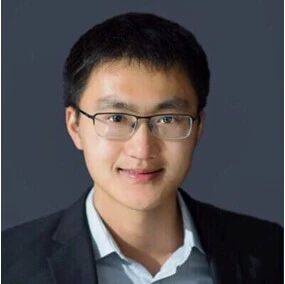
Siheng Chen
Associate Professor, Shanghai Jiao Tong UniversityChen Siheng is an Associate Professor at the School of Artificial Intelligence, Shanghai Jiao Tong University. He earned his doctorate from Carnegie Mellon University and was selected into the national young talent program, and once worked in the autonomous driving department of UBER ATG. He has undertaken many key research projects including original exploration projects and general projects of the National Natural Science Foundation of China, major AI 2030 projects of the Ministry of Science and Technology and special artificial intelligence projects of Shanghai Science and Technology Commission. He has published over a hundred papers in journals and conferences such as Nature Computational Science, Nature Communications, Cell Patterns, TPAMI, NeurIPS, ICML, ICLR, CVPR, ICCV and KDD, with more than 10,000 Google Scholar citations. He has won many honors including IEEE Signal Processing Society Best Young Author Paper Award, ASME Structural Inspection Society Best Paper Runner-up Award, GlobalSIP 2018 Best Paper Award and Mitsubishi Electric Research Laboratories President’s Award. He developed SciMaster, the world’s first general scientific research agent, which won the Annual Achievement Award of the School of Artificial Intelligence, Shanghai Jiao Tong University. He currently serves as Associate Editor of T-SIPN, Area Chair of NeurIPS, ICML, ICLR and other conferences, and reviewer for Nature Machine Intelligence, and his current research focuses on scientific research agents.
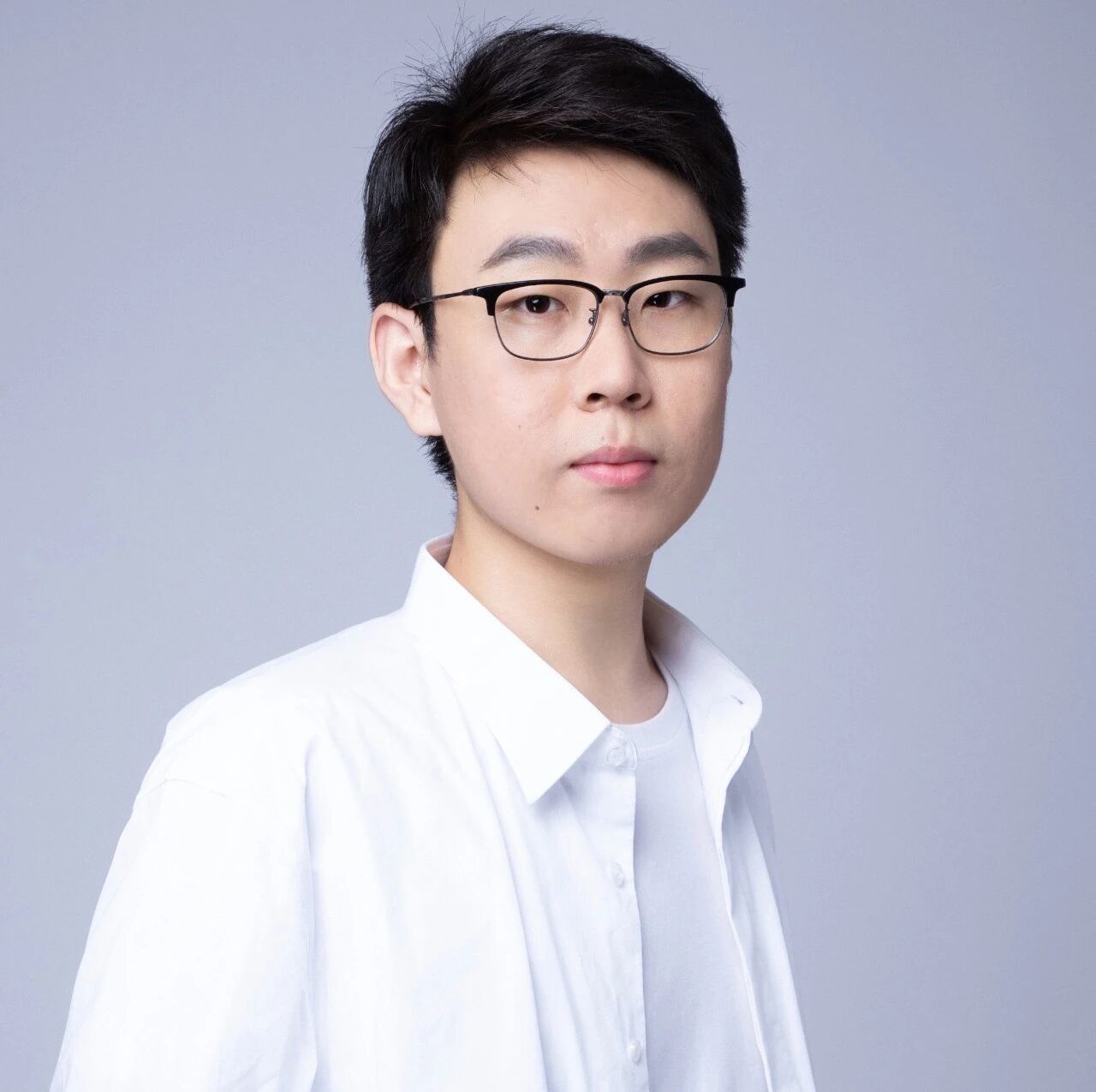
Tianxiang Sun
Founder & CEO of Analemma, Assistant Professor of Shanghai Chuangzhi AcademySun Tianxiang,Founder and CEO of Analemma, Assistant Professor at Shanghai Innovation Academy. His research focuses on large language models, AI agents and AI4AI. As first author, he has published over 20 papers in top-tier international conferences including ICML, ICLR, ACL, NAACL and AAAI, with more than 6,000 citations on Google Scholar. He led the development of MOSS, China's first ChatGPT-like conversational large language model, which has garnered 12K stars on GitHub. His accolades include the Cloud Sail Award at the World Artificial Intelligence Conference and the ByteDance Scholarship.

Zechun Liu
Senior Research Scientist & Technical Lead, MetaLiu Zechun works as Senior Research Scientist and Technical Lead at Meta Reality Labs. Her research focuses on improving the operational efficiency and deployment performance of foundational large models through architecture optimization, low-bit quantization and sparsification techniques, and applies deep learning to address practical industrial technical issues. She has published more than 50 papers in prestigious academic conferences and journals, gaining wide recognition across the academia, with over 9,000 citations on Google Scholar.
Shaokun Zhang
Research Scientist, NVIDIA ResearchZhang Shaokun is a Research Scientist at NVIDIA Research, focusing on agent training and multi-agent research. He earned his doctoral degree from Pennsylvania State University in 2026, and worked at NVIDIA and Microsoft Redmond Research during his PhD study. His research interests mainly cover agent reinforcement learning and CUA Agent. He has published approximately 20 academic papers, most of which were accepted by three flagship machine learning conferences. Multiple first-author papers were selected for Oral and Spotlight presentations, with over 4,000 citations on Google Scholar. He won the Best Paper Award at the ICLR 2023 Agent Workshop. As the first author of the early self-improving agent AgentOptimizer, his research has been covered by Forbes.
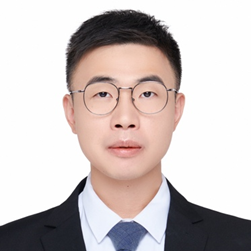
Tao Lin
Distinguished Researcher, Department of Artificial Intelligence, School of Engineering, Westlake UniversityLin Tao is a Distinguished Researcher, Doctoral Supervisor and Independent PI at the Department of Artificial Intelligence, School of Engineering, Westlake University. He is a recipient of the National Young Talent Program and concurrently serves as a consultant at Ant Technology Research Institute. He received his PhD from École Polytechnique Fédérale de Lausanne (EPFL) in 2022. His research directions include deep learning and optimization, efficient deep learning and inference, as well as distributed deep learning and systems. His paper was nominated for Best Paper Award at ECCV 2024. He has been listed among the World's Top 2% Scientists by Stanford University for two consecutive years from 2024 to 2025.

Yu Gu
Co-founder of NeoCognitionGu Yu is Co-founder of NeoCognition, with long-term research on linguistic agents. He earned his PhD in Computer Science from The Ohio State University, and bachelor’s and master’s degrees from Nanjing University. His research papers won Outstanding Paper Awards at ACL 2023 and COLING 2022.
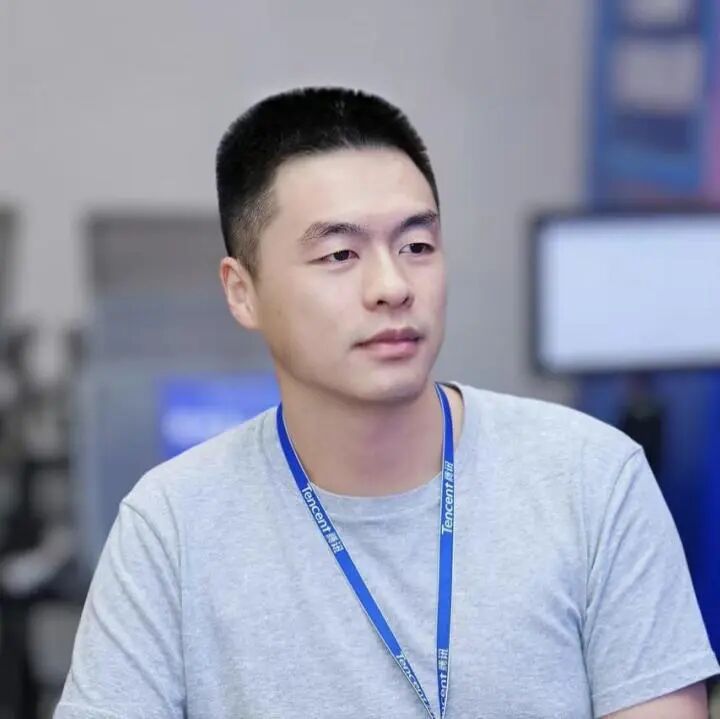
Yan Wang
Frontier Researcher, Tencent HunyuanWang Yan is a Frontier Researcher at Tencent Large Language Model Department, focusing on the research of infinite-long memory model architecture. He previously worked as a research scientist at Tencent AI Lab and miHoYo. As corresponding author, he was awarded the ACL Outstanding Paper Award and received Best Paper Nomination of IEEE Transactions on Games. He developed multiple game agents for long-popular Tencent games including Honor of Kings and Delta Force, supporting tens of thousands of access visits per minute.

Mengyue Yang
PhD graduate of University College London, Assistant Professor at the University of BristolYang Mengyue serves as Assistant Professor at the University of Bristol. She obtained her doctorate from the UCL AI Center under the supervision of Professor Jun Wang. Her research focuses on world models, causality and reinforcement learning. She was honored with KAUST Rising Star in AI 2024 and AAAI 2026 New Faculty Highlights Award. Dr. Yang acts as Area Chair of NeurIPS and Guest Editor for special issues of Journal of Machine Learning. She also works as organizer and Program Chair of embodied world model workshops at ICLR 2024-2025 and NeurIPS 2025.
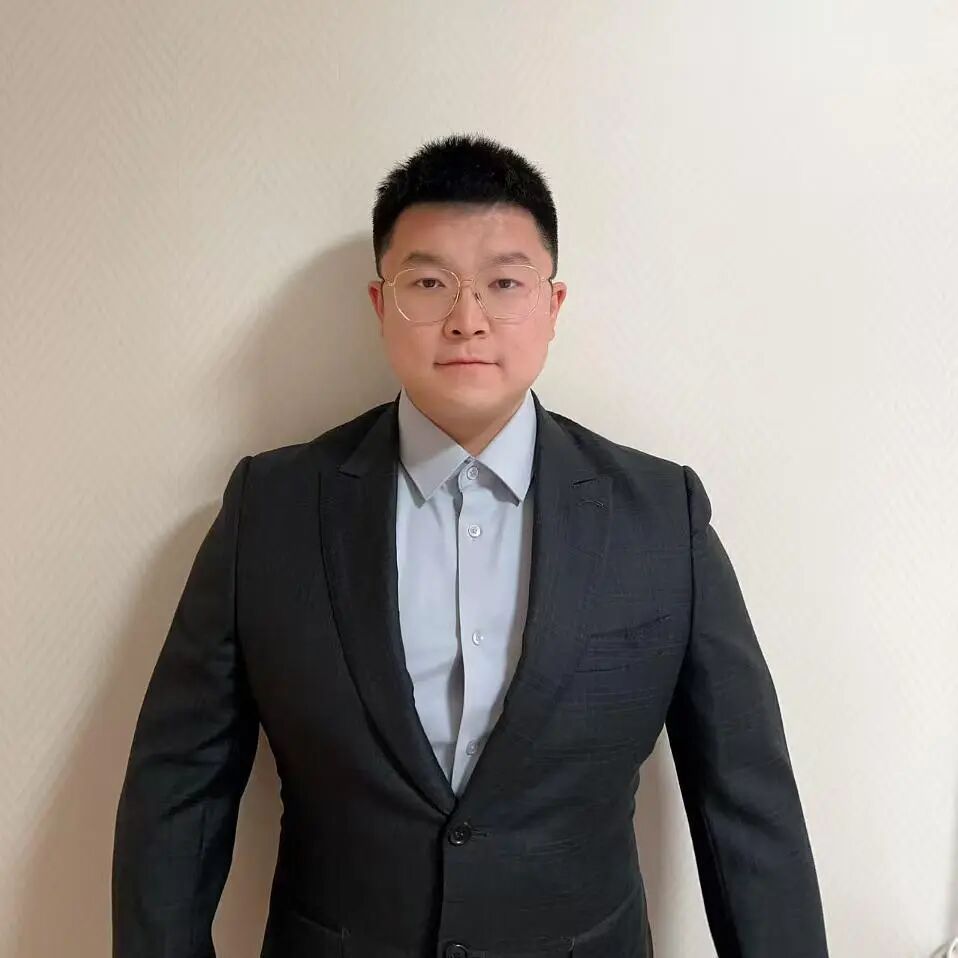
Yuxuan Xiong
Assistant Professor, Faculty of Artificial Intelligence in Education, Central China Normal UniversityXiong Yuxuan is an Assistant Professor at the Faculty of Artificial Intelligence in Education, Central China Normal University. His research covers AI-enabled education, computer vision, data engineering and computer networks. He won the Best Paper Award at MLMI 2019, and Outstanding Product Awards at the 22nd and 23rd China Hi-Tech Fair.

Min Zhao
Assistant Professor at Nanjing UniversityMin Zhao will join Nanjing University as an assistant professor. She is a core developer of the domestic video generation model Vidu and a recipient of Tsinghua University's Shuimu Scholar Program. Her research focuses on video generation and interactive video world models. She has published numerous papers as first author and co-first author in top international conferences including NeurIPS, ICML, and ICLR. Her first-authored papers have garnered over 700 citations, with total citations exceeding 1,000. Her proposed video length extrapolation method RIFLEx and real-time interactive generation method Casual Forcing have been integrated into mainstream open-source video diffusion frameworks such as HunyuanVideo and CogVideoX. Open-source projects led by her have accumulated nearly 3,000 GitHub Stars.
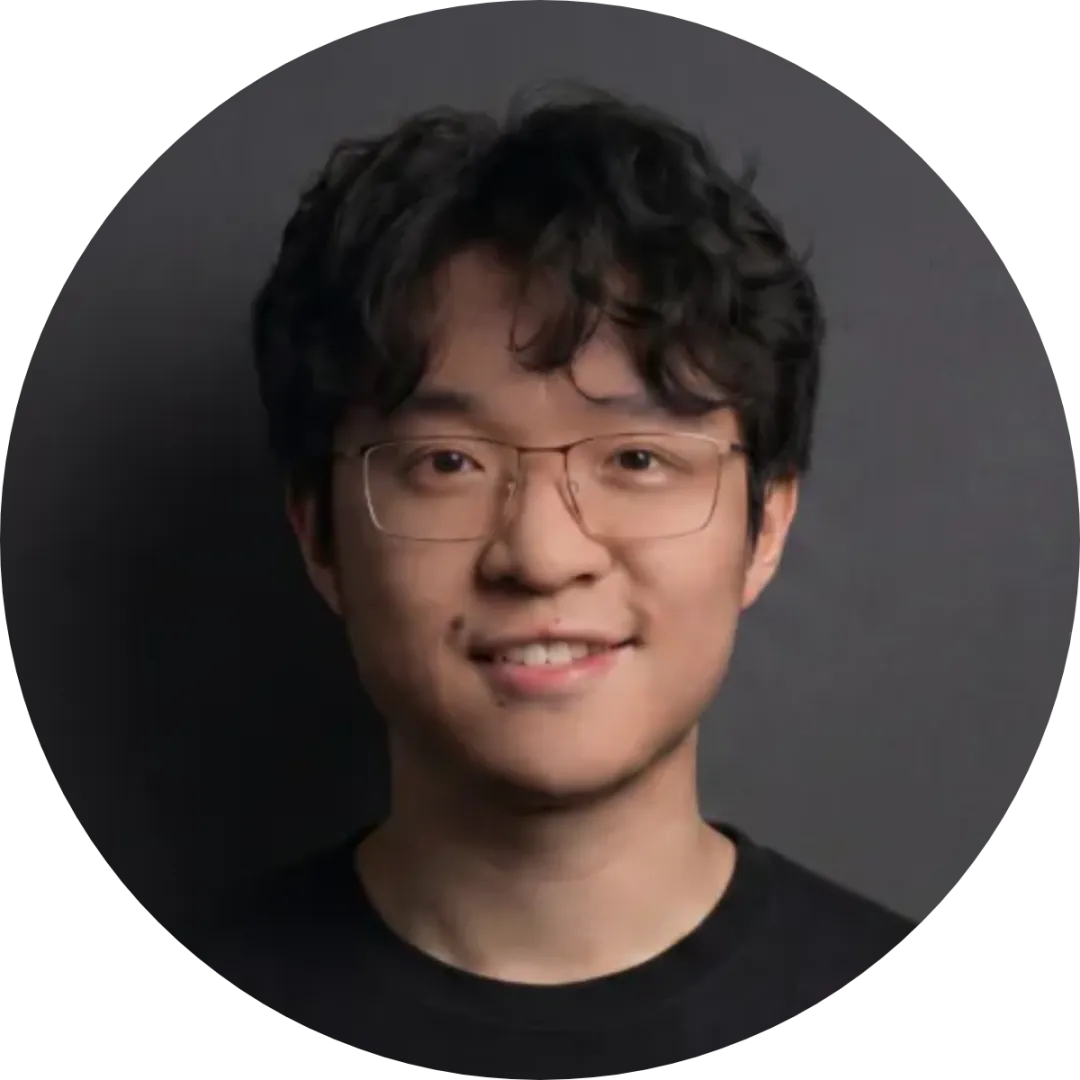
Mingyang Deng
PhD candidate at MITMingyang Deng, a PhD candidate at MIT, studies under Kaiming He, creator of ResNet. His research focuses on generative models. He is the first Chinese national to claim gold medals in both IMO and IOI, and the third perfect scorer in IOI history. He earned his bachelor's degree in Mathematics and Computer Science at MIT, and completed research internships at DeepMind and Meta. In 2026, he proposed Drifting Models as the first author. This innovative image generation approach produces high-definition images in a single step, enables fast rendering on mobile devices and lowers barriers to AI creation.
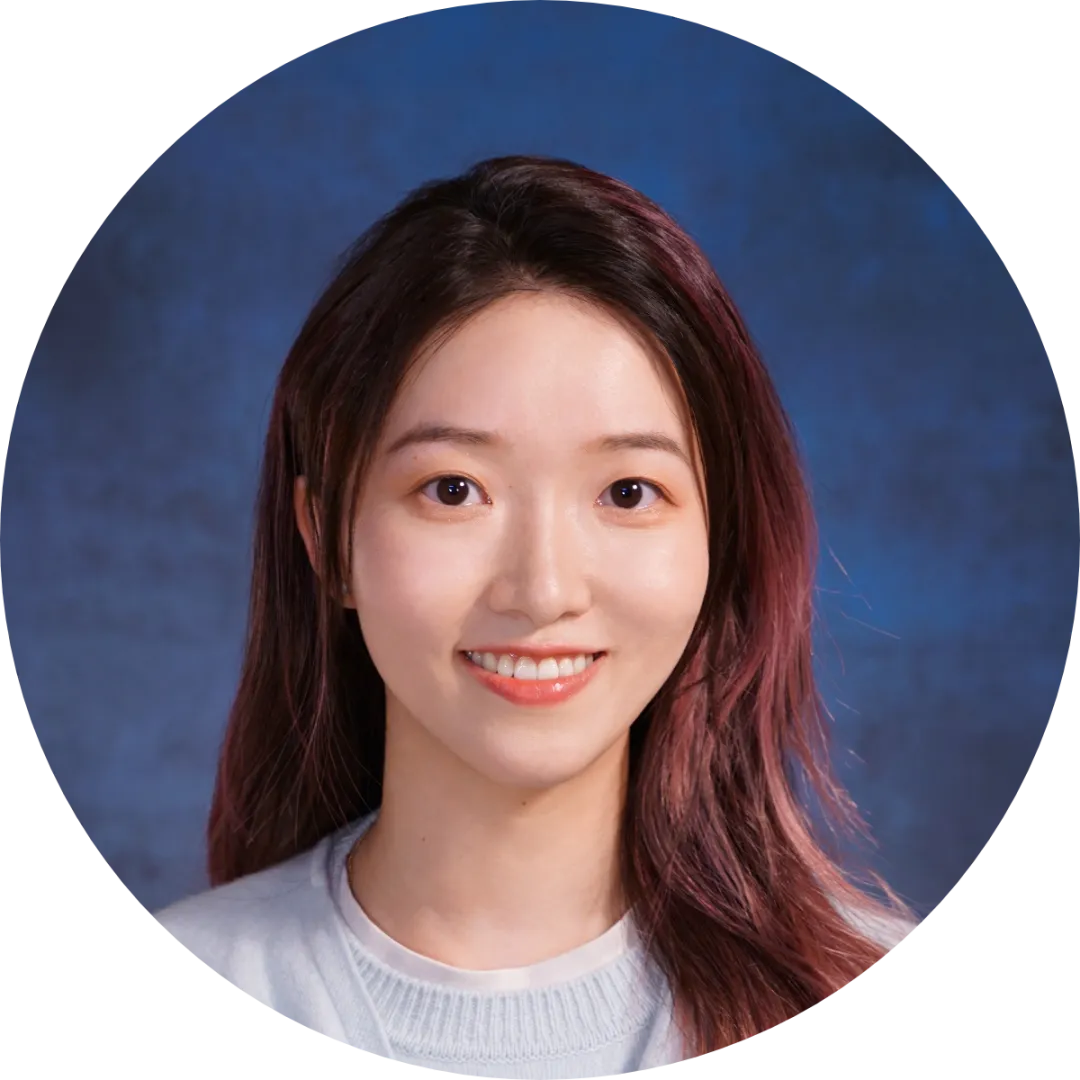
Ailing Zeng
Researcher at AnuttaconAiling Zeng, Researcher at Anuttacon, leads the development of LPM 1.0, a real-time conversational video generation system for interactive character performance. Her primary research focuses on a full-stack technical architecture spanning human-centric perception and understanding to long-horizon controllable generation. She has made deep contributions to long-term time series forecasting, with her representative work LTSF-Linear receiving the AAAI 2023 Most Influential Paper Award, establishing foundational theoretical contributions to temporal modeling and long-period prediction. She has published over 50 papers in top international academic conferences and spearheaded multiple open-source projects, accumulating more than 25,000 GitHub Stars and over 13,000 Google Scholar citations. She earned her Ph.D. in Computer Science and Engineering from The Chinese University of Hong Kong and served as a visiting scholar at the Robotics Institute of Carnegie Mellon University. She is committed to building video-native multimodal intelligent systems, aiming to enable human cognition, interaction, and content generation with the physical world, and to create intelligent interactive agents capable of autonomous evolution and logical self-consistency in open-ended interactive environments.
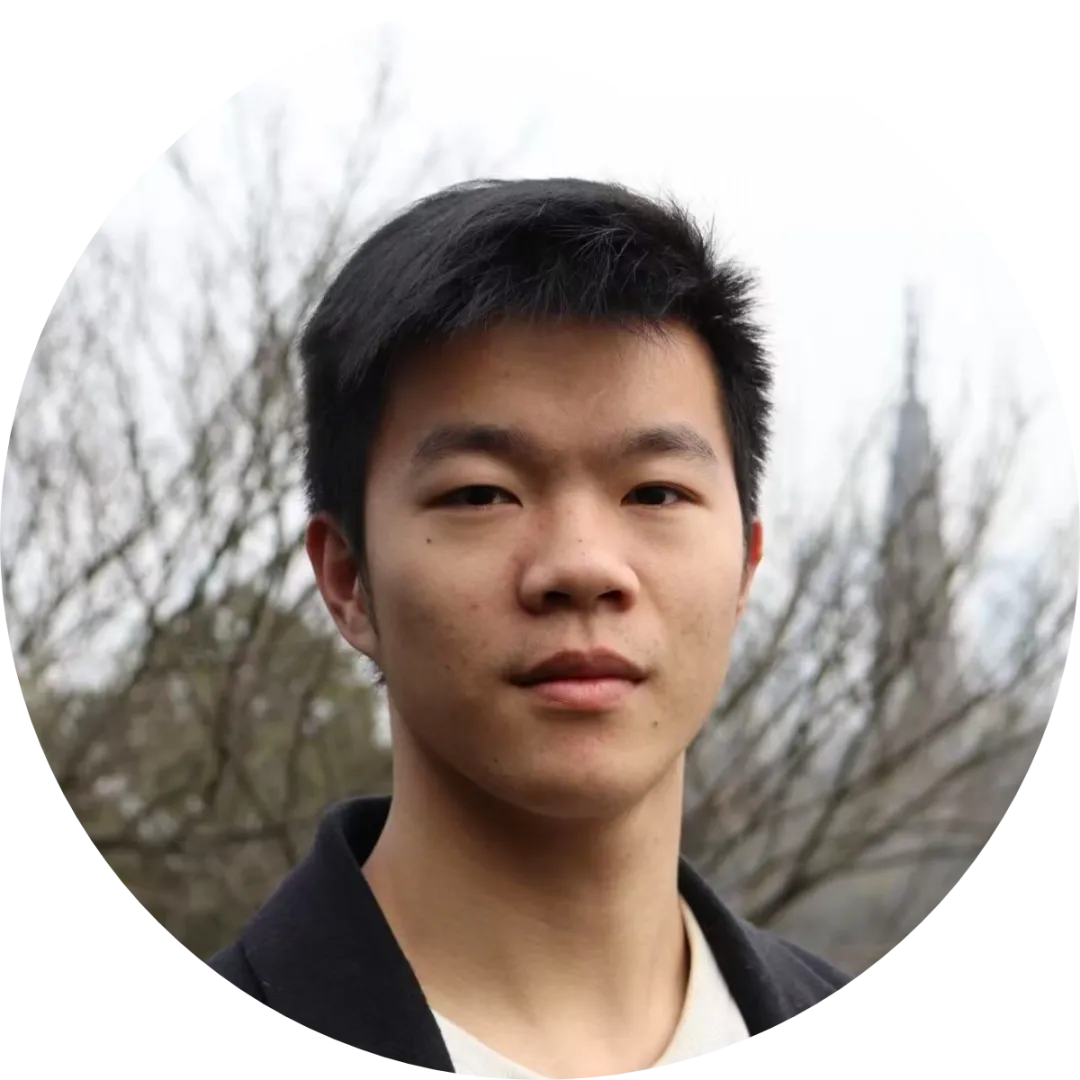
Sida Peng
Researcher at Zhejiang UniversitySida Peng, Researcher under the "Hundred Talents Program" at the School of Software Technology, Zhejiang University, and Ph.D. Advisor. His research focuses on 3D computer vision and computer graphics. To date, he has published 9 papers in TPAMI/TOG and 15 Oral/Highlight papers at CCF-A ranked conferences. He has garnered over 9,000 Google Scholar citations, with one first-authored paper receiving a CVPR Best Paper Nomination. His work has accumulated tens of thousands of GitHub Stars and earned the 2024 CCF China Excellent Graphics Open Source Software Award. He has been selected as a China3DV 2025 Outstanding Young Scholar, named to Stanford's 2024/2025 World's Top 2% Scientists list, and received the 2024 CCF China Outstanding Doctoral Dissertation Award (one of ten selected nationwide in computer science). He was named a 2022 Apple Scholar (the only recipient in the Asia-Pacific region).
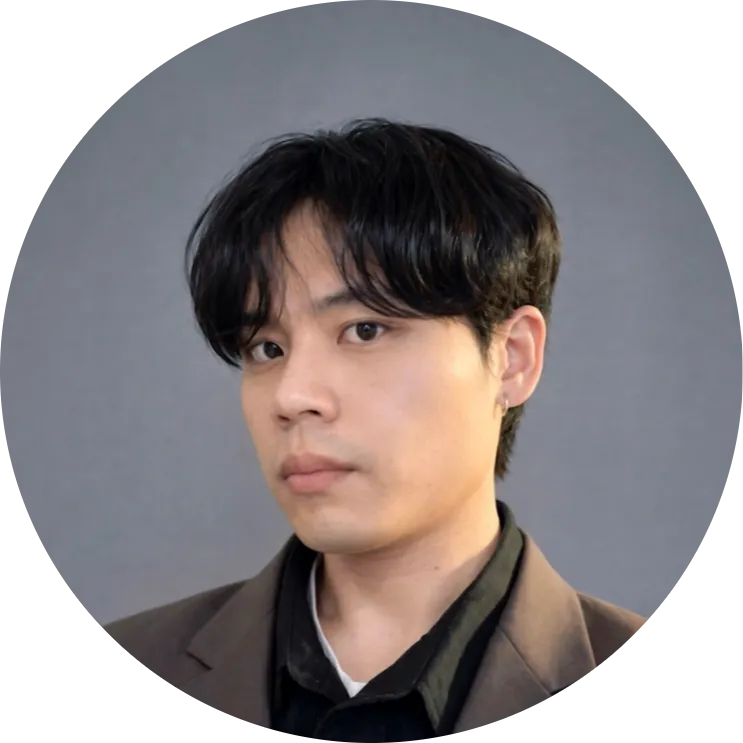
Tengfei Wang
Head of Tencent Hunyuan World Model (HY World)Tengfei Wang received his Ph.D. from the Hong Kong University of Science and Technology. He currently leads the development and deployment of Hunyuan World Models at Tencent, having built the data and algorithmic R&D infrastructure for Hunyuan World Models from the ground up. Under his leadership, the team has successively released multiple models including HY World 1.0, 2.0, WorldPlay, and WorldMirror, garnering widespread attention from the open-source community. He has published over 40 papers in top-tier AI journals and conferences, with more than 3,500 Google Scholar citations. His series of open-source projects have accumulated over 20,000 GitHub Stars, and his research has been recognized with Most Influential Paper awards at ICCV and ECCV.
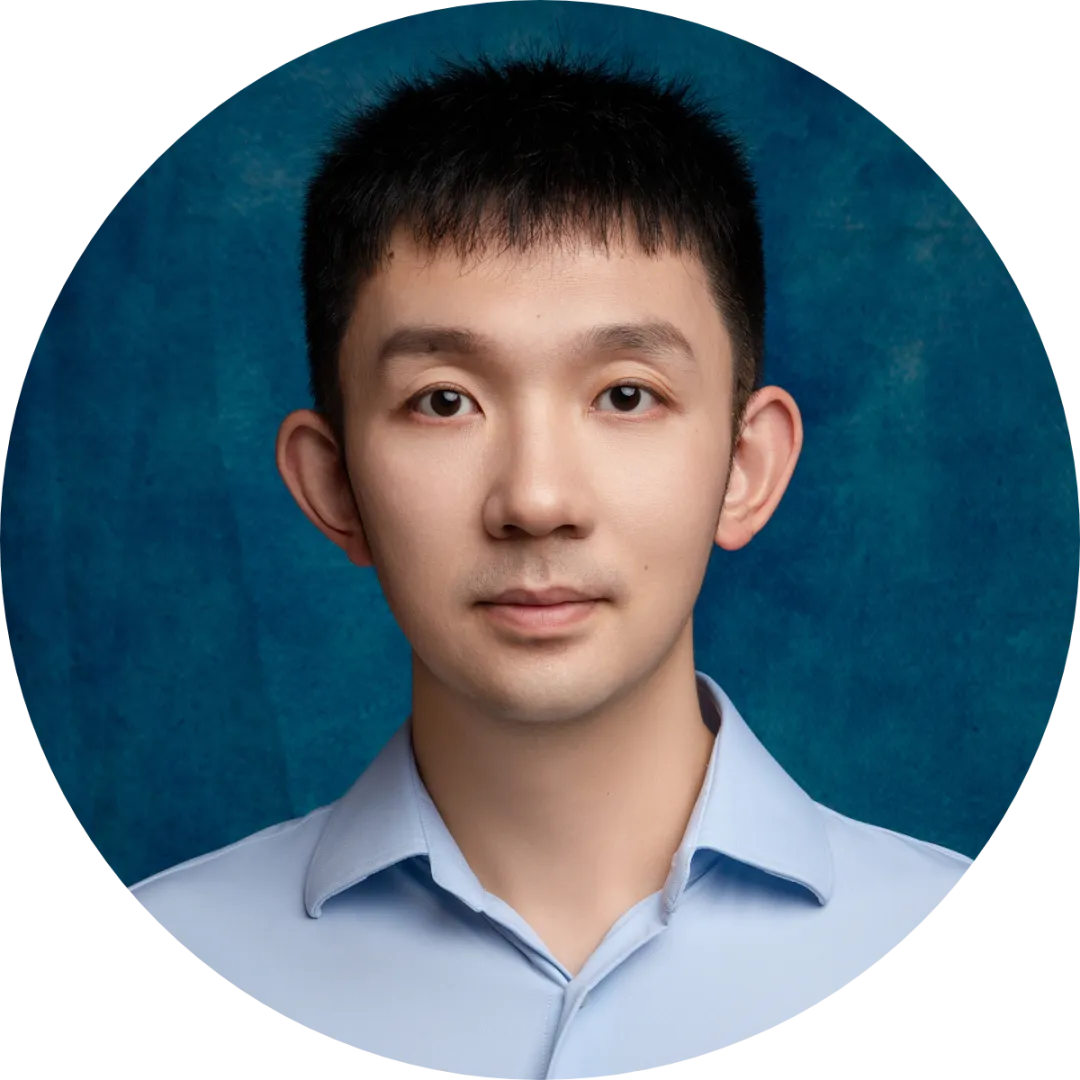
Yu Cheng
Associate Professor, Department of Computer Science, The Chinese University of Hong Kong & Chief Scientist, Skywork AIYu Cheng, Chief Scientist at Kunlun Tech and Associate Professor at the Department of Computer Science and Engineering, The Chinese University of Hong Kong. From 2018 to 2023, he served as a Principal Researcher at Microsoft Research Redmond. Prior to joining Microsoft, he was a researcher at IBM Research and the MIT-IBM Watson AI Lab. His research spans deep learning, with a particular focus on model compression and efficiency, deep generative models, and language/multimodal large models. Starting in 2021, he led his team to work closely with OpenAI on efficiency, robustness, and scalability optimizations for the GPT series of models, driving the productization of related services and applications, including New Bing powered primarily by GPT-4, GitHub Copilot backed by GPT-3.5, and Image Creator supported by DALL-E 2. From 2023 to 2025, he led or contributed to the development of products and models including Minimax abab6.5, the M1/Hailuo Video model, as well as Skywork R1V2/V3 and Super Agent.

Xiaoxuan Jia
Associate Professor of the School of Life Sciences at Tsinghua UniversityDr. Jia Xiaoxuan is currently Associate Professor and Doctoral Supervisor at the School of Life Sciences, Tsinghua University, Deputy Director of the Center for Artificial Intelligence in Life Sciences, Investigator at the Tsinghua-IDG/McGovern Institute for Brain Research, and Investigator at the Tsinghua-Peking Joint Center for Life Sciences. She completed her undergraduate studies at Tsinghua University and earned her PhD in Neuroscience from Albert Einstein College of Medicine in the United States in 2012. She then pursued postdoctoral research in the lab of James J. DiCarlo at the McGovern Institute for Brain Research, Massachusetts Institute of Technology. Prior to joining Tsinghua University, she worked as Senior Research Scientist and Principal Investigator at the Allen Institute for Brain Science in the US. Her research has long focused on systems and computational neuroscience, NeuroAI and brain-computer interfaces. She aims to understand how the brain visual system leverages complex hierarchical networks to transform high-dimensional and dynamic external information into stable and flexible internal representations, and explore the inspiration of these mechanisms for artificial intelligence. Combining large-scale neurophysiological data acquisition, neural encoding and decoding models, digital twins of visual cortex and closed-loop brain-computer interface technologies, her team investigates visual representation spaces and dynamic information flows in neural networks. Her research findings have been published in journals including Nature, Nature Neuroscience, Neuron, Nature Communications, eLife and Cell, as well as conferences such as NeurIPS. She currently serves as an editorial board member of Neuromorphic Computing and Engineering. Her research bridges real neural systems, AI models and brain-computer interface applications, striving to promote the two-way integration of brain science and artificial intelligence.
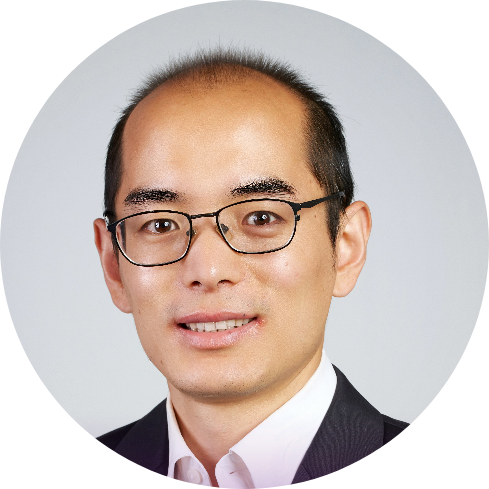
Zengcai Guo
Associate Professor, School of Basic Medical Sciences, Tsinghua UniversityGuo Zengcai received his Bachelor of Engineering in Engineering Mechanics from Tsinghua University in 2002 and his PhD in Applied Mathematics from Harvard University in 2010. After completing his postdoctoral research at the Janelia Research Campus of the Howard Hughes Medical Institute in 2015, he has been engaged in neurobiological research at the School of Medicine, Tsinghua University. He currently works as Investigator at the School of Medicine, Principal Investigator at the Tsinghua-Peking Joint Center for Life Sciences and the IDG/McGovern Institute for Brain Research, and Doctoral Supervisor. He was selected for the National Program for Young Overseas High-level Talents. Professor Guo Zengcai focuses on the mechanisms of working memory formation and maintenance. With advanced tools in systems neurobiology, he explores the distribution of memory-related neural activities in the brain and their effects on cognitive behaviors. As first author or corresponding author, he has published nearly ten papers in top international journals such as Nature, Nature Methods, Neuron and PNAS.

Wolfgang Mass
Professor of Computer Science, Graz University of Technology, AustriaWolfgang Maass is Professor of Computer Science at Graz University of Technology in Austria and Head of the Graz site of the European Laboratory for Learning and Intelligent Systems (ELLIS). He was elected Member of the European Academy of Sciences in 2013 and awarded the Distinguished Scientist title by the Chinese Academy of Sciences in 2026. His main research interests include brain-inspired artificial intelligence, computational neuroscience and computational complexity theory. His work has helped establish spiking neural networks and reservoir computing (liquid computing) as mainstream research directions in the field of brain-inspired AI. Recently, collaborating with young Chinese scholars, he has explored how innovative ideas from brain architectures and algorithms can develop energy-efficient AI solutions, enable continual learning, and endow AI decision-making with contextual awareness and interpretability.

Andrew Tolias
Professor, Stanford UniversityAndreas Tolias, Professor at Stanford University and Co-lead of the Enigma Project. His research focuses on the intersection of neuroscience and artificial intelligence. By combining large-scale neuroscientific experiments with machine learning, he aims to uncover the fundamental principles of natural intelligence. His laboratory centers on perceptual reasoning and decision-making, integrating systems and computational neuroscience with artificial intelligence to decipher how intelligence operates at the neural network level. Dr. Tolias seeks to reverse-engineer these principles to build smarter, more robust, reliable and efficient AI systems, while creating a powerful experimental platform for testing brain algorithms in complex real-world tasks. He holds a Bachelor's and a Master's degree in Natural Sciences from the University of Cambridge, and earned his PhD in Systems and Computational Neuroscience from the Massachusetts Institute of Technology. He completed his postdoctoral research in neuroscience and machine learning at the Max Planck Institute for Biological Cybernetics in Tübingen, Germany.
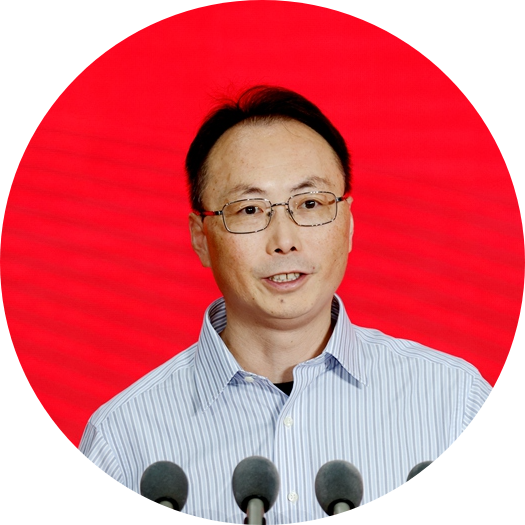
Hanchuan Peng
Founding Director, Institute of Brain and Intelligence, Fudan UniversityProfessor Peng Hanchuan is an IEEE Fellow and AIMBE Fellow, New Cornerstone Investigator and Senior Scholar of SI. He serves as the Founding Director of the Institute of Brain and Intelligence, Fudan University. He founded and directed the SEU-ALLEN Joint Center (China/USA) from 2018 to 2024, previously worked as Director for Advanced Computing at the Allen Institute for Brain Science from 2012 to 2019, and was the first principal investigator of Chinese descent running an independent laboratory at the HHMI Janelia Research Campus from 2006 to 2012. He also holds adjunct professorships at multiple universities in China and the United States. Professor Peng has made a host of pioneering contributions to frontier areas such as brain informatics and bioimaging informatics, and his research takes a leading position worldwide in 3D digital brain modeling of various animal and human brains, development of intelligent imaging systems, single-neuron morphology reconstruction, joint analysis of multimodal neuronal data, and brain connectome models at single-cell resolution. He has promoted multiple international consortium projects on intelligent algorithms and massive data analysis, and has led and participated in numerous papers published in flagship journals including Nature and Cell, around 30 papers in major sister journals such as Nature Methods, Nature Biotechnology, Nature Neuroscience and Neuron, and over 100 other papers in journals like IEEE TPAMI and IEEE TMI. He has invented many widely applied software and hardware systems including Vaa3D, mRMR, TeraVR, TeraFly, APP2 and ACTomography. He led the establishment of NeuroXiv, currently the world’s largest cross-species database for 3D single-neuron morphology, as well as the world’s largest database for 3D single-cell structures of the human brain. He also built ACTomography, a globally leading AI-enabled large-scale platform for automatic staining, imaging and analysis of human single neurons. His work has been widely adopted and cited by scholars for more than 30,000 times, and his relevant achievements were selected as one of the Top 10 Advances in Chinese Life Sciences in 2021 and won the Cozzarelli Prize presented by the National Academy of Sciences of the United States.

Jianfeng Feng
Dean of the Institute of Brain-inspired Intelligence Science and Technology & School of Big Data, Fudan UniversityFeng Jianfeng, a National High-level Talents Recruit, Yangtze River Scholar and Haoqing Professor of Fudan University, currently serves as Dean of the Institute of Brain-inspired Intelligence Science and Technology and School of Big Data of Fudan University, Principal Professor of the Shanghai Center for Mathematical Sciences, and Professor in the Department of Computer Science at the University of Warwick, UK. He has long been engaged in interdisciplinary research integrating mathematics, brain science and computer science, and promotes the development of computational brain science and its applications. His major research achievements are as follows. In the field of mental illness, he proposed the neural mechanism of "reward-punishment circuit imbalance" for depression and verified it through therapeutic research, and confirmed the linguistic origin hypothesis of schizophrenia via big data mining. In computational neuroscience, he developed the world's first full-brain digital twin model and the mathematical theory of moment neural networks. In artificial intelligence, he created a variety of innovative neural network architectures and algorithms. He has authored more than 500 academic papers, many of which were published as corresponding author in journals including Cell, Science, Nature family journals, Science family journals, Lancet family journals, JAMA family journals, IEEE TPAMI and PRL. He is the first Chinese scholar to publish at NeurIPS in China. He was awarded the Royal Society Wolfson Research Merit Award in 2011, being the first Chinese recipient of this honor. In 2019, he delivered the annual Paykel Lecture at the University of Cambridge as the first Chinese speaker in the past three decades. He received the Humboldt Research Award in 2023.
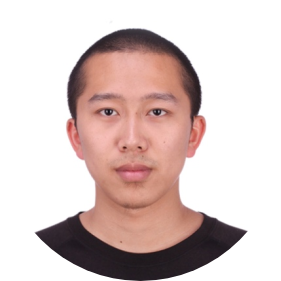
Bo Lei
Researcher and Leader of AI + Neuroscience, Beijing Academy of Artificial IntelligenceLei Bo is a Researcher and Leader of AI + Neuroscience at the Beijing Academy of Artificial Intelligence, as well as a Researcher at the National Key Laboratory of Multimedia Information Processing, Peking University. He serves as the Principal Investigator of a key project under the New Generation Artificial Intelligence Major Program. His long-term research focuses on the intersection of artificial intelligence and neuroscience, including theories of biological intelligence, brain-inspired frameworks for next-generation AI, multimodal general foundation large models for brain science, and AI-enabled technologies for neural data acquisition and analysis. He has published papers as first author or co-corresponding author in prestigious international journals and conferences such as Science, Nature, Neuron (cover article), PNAS, Nature Communications, Science Advances, Cell Reports and ICML. One of his research achievements was selected as one of the Top 10 Advances in Chinese Life Sciences in 2020.
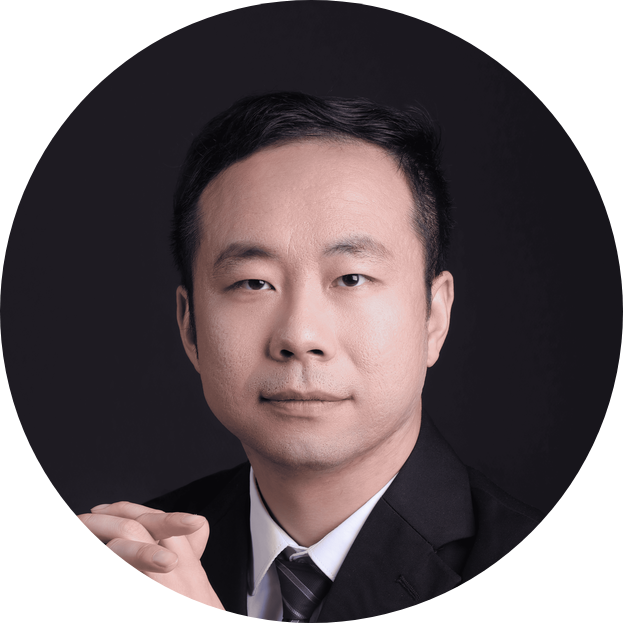
Guozhang Chen
Researcher, School of Computer Science, Peking UniversityChen Guozhang is currently a Researcher at the School of Computer Science, Peking University, as well as a Boya Young Scholar and Weiming Scholar of Peking University. He devotes himself to exploring the computational principles of the brain. Regarding the brain as a sophisticated computer with complex dynamic characteristics, he draws profound insights from it to advance the development of brain-inspired computational frameworks. His core research interest lies in uncovering the brain's computational mechanisms, with a particular focus on the correlations between brain structures (including physiological properties and dynamic features) and their computational functions. His research mainly spans the interdisciplinary fields of computer science, neuroscience and physics. In addition, his work also explores how to replicate the brain's remarkable capabilities in brain-inspired intelligent systems, especially in the field of embodied intelligence.
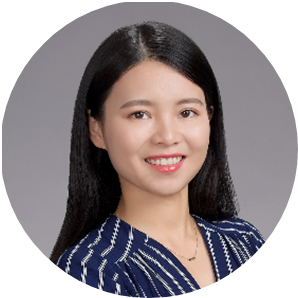
Quanying Liu
Tenured Associate Professor, Department of Biomedical Engineering, Southern University of Science and TechnologyLiu Quanying is a Tenured Associate Professor and Principal Investigator at the Department of Biomedical Engineering, Southern University of Science and Technology, and the Founder of Shenzhen Global Intelligent Technology Co., Ltd. He earned his bachelor's and master's degrees from the School of Information Science and Engineering, Lanzhou University, and his doctorate from ETH Zurich. He subsequently conducted postdoctoral research at the California Institute of Technology. Returning to China in 2019, he founded the Neural Computation and Control Lab (NCC Lab) at Southern University of Science and Technology. His research mainly focuses on foundation large models for brain-computer interfaces, brain network dynamic modeling, optimization algorithms for neuromodulation, and human-agent interaction. He advances bidirectional read-and-write brain-computer interface technologies and pioneers new paradigms for decoding brain functions and treating neurological disorders. He has authored over 60 papers as first or corresponding author in journals including Nature Biomedical Engineering, Nature Methods and National Science Review (cover article), as well as top machine learning conferences such as NeurIPS, ICML, ICLR and AAAI. He is the author of the textbook Human Brain Intelligence and Artificial Intelligence, which was named one of Tsinghua University's Outstanding Books of 2025. The electroencephalography dataset he released has been downloaded more than 220,000 times. He received the 2025 China Rising Star Award for Brain-Computer Intelligence and was honored as a Pujiang Young Scholar in 2026.

Tielin Zhang
Researcher, Center for Excellence in Brain Science and Intelligence Technology & Institute of Automation, Chinese Academy of SciencesZhang Tielin is a researcher at the Center for Excellence in Brain Science and Intelligence Technology, Chinese Academy of Sciences, and Principal Investigator of the Research Group for Brain-inspired Cognitive Computing and Brain-Machine Integrated Intelligence. He also serves as the Executive Director of the Brain Science Data and Computing Center on a part-time basis, Principal Investigator of the State Key Laboratory of Complex Systems, Cognition and Decision-Making at the Institute of Automation, Chinese Academy of Sciences, and Director of the Shanghai Brain-inspired Industry Alliance. His research mainly focuses on brain mechanism and brain atlas inspired spiking neural network algorithms and brain-inspired large models, which are applied to self-developed brain-inspired many-core chips and encoding and decoding systems for invasive brain-computer interfaces. As the team leader, he has presided over numerous projects including the Youth Project A of the STI 2030 Brain Science Program, independent projects under the New Generation Artificial Intelligence Program, Strategic Priority Research Program Projects A and B, projects funded by the Science and Technology Commission of the Central Military Commission, and projects supported by the National Natural Science Foundation of China. He has published more than 50 papers as first author or corresponding author in journals and top AI conferences such as Science Advances, IEEE TNNLS, NeurIPS and AAAI. He has been awarded titles including Beijing Science and Technology Rising Star in 2023, Shanghai Outstanding Young Talent in 2025 and Beijing Academy of Artificial Intelligence Scholar in 2026.
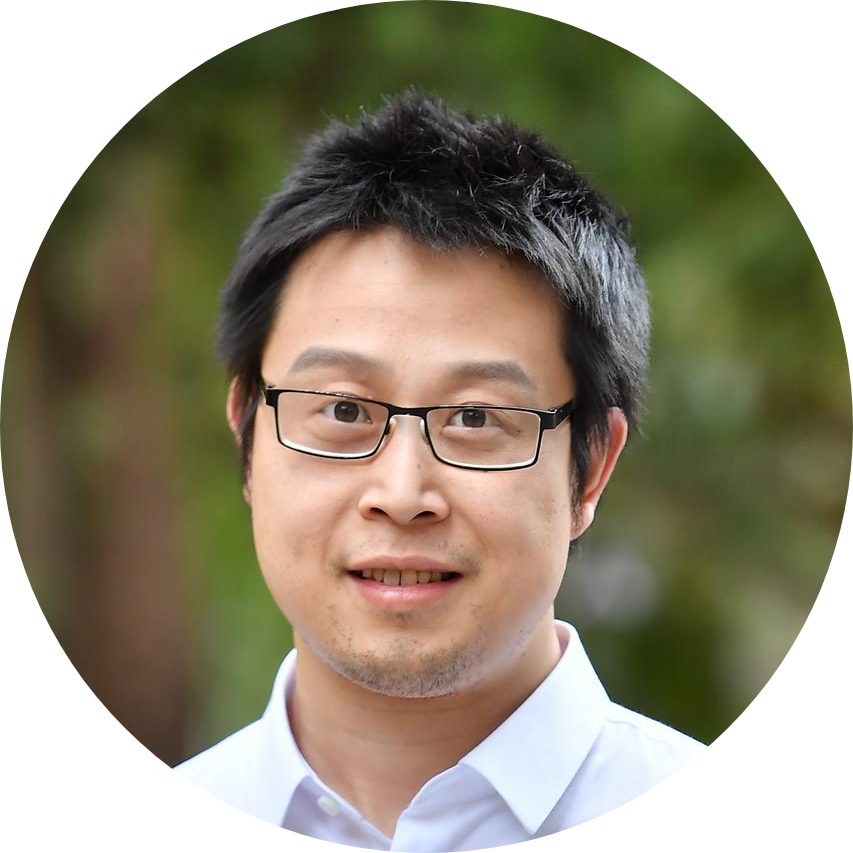
Yunzhe Liu
Professor, Beijing Normal University; Researcher, Beijing Institute for Brain Disorders and Brain-inspired IntelligenceLiu Yunzhe is a Professor at Beijing Normal University and a Researcher at Beijing Institute for Brain Disorders and Brain-inspired Intelligence. His main research focuses on cognitive brain-computer interfaces, with an emphasis on core cognitive processes including human memory, learning, reasoning and flexible decision-making. Based on the analysis of cross-species cognitive mechanisms, his team has established a complete research system covering brain activity decoding, cognitive state modeling and closed-loop neuromodulation. On one hand, the team develops novel neural encoding and decoding models as well as closed-loop neuromodulation technologies such as transcranial focused ultrasound stimulation, offering new approaches for the precise diagnosis and treatment of brain and mental disorders. On the other hand, the team explores pathways for the coordinated development of human brain intelligence and artificial intelligence. Findings from brain science are applied to optimize AI training, intelligent interaction systems and interpretable models, so as to advance the development of safe, reliable and explainable artificial intelligence.

Addis
CTO, Zhejiang BrainCo Technology Co., Ltd.As a founding team member and CTO of Zhejiang BrainCo Technology Co., Ltd., he has over ten years of experience in artificial intelligence and brain-computer interfaces. He participated in and led the R&D of core products including electroencephalography series products, intelligent bionic dexterous hands and intelligent bionic knee joints, and holds more than 50 authorized invention patents. He previously worked as a core component engineer for IBM Watson Healthcare Cloud Services and a senior engineer in the IT Innovation Department of Avaya. He is an algorithm expert specializing in artificial intelligence, signal processing and automated data flow toolchains.
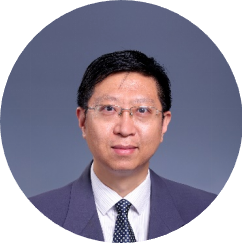
Feng Chen
Tenured Professor, Department of Automation, Tsinghua UniversityChen Feng is a Tenured Professor and Chair of the Degree Committee in the Department of Automation, Tsinghua University. He was selected for the New Century Excellent Talents Program of the Ministry of Education. His research covers general artificial intelligence, brain-inspired computing and computer vision. He has published numerous papers in leading journals including Nature, IEEE Transactions on PAMI, CSVT and NNLS, as well as top conferences such as NeurIPS, ICML and ICLR. With extensive experience in technological development, he was a key contributor to projects that won the Second Prize of the National Technological Invention Award, the Second Prize of Beijing Science and Technology Award and the First Prize of Technological Invention Award of the Ministry of Education. He currently leads multiple national research projects related to brain-inspired intelligence. He has mentored many outstanding graduates and supported student entrepreneurship. He also serves as Chief Scientist of Qianjue Technology.
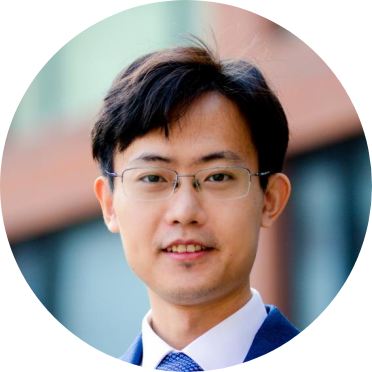
Xiaochuan Dai
Associate Professor, School of Biomedical Engineering, Tsinghua UniversityDai Xiaochuan is an Associate Professor and Doctoral Supervisor at the School of Biomedical Engineering, Tsinghua University, also holding the positions of Assistant Dean of the school and Deputy Director of the Research Center for Brain-Computer Interface and Carbon-Silicon Integration. He received his bachelor’s degree from Peking University in 2010 and his doctoral degree from Harvard University in 2015, and subsequently completed his postdoctoral research at Harvard University, Tufts University and the Massachusetts Institute of Technology. His research focuses on bio-stealth neural electrodes, cyborg tissues, implantable brain-computer interfaces and their translational applications. He has published more than 30 journal papers and undertaken over ten national and provincial research projects. His research achievements have won multiple gold awards and first prizes at home and abroad and been extensively reported by authoritative media including CCTV News. He has been selected as Beijing Science and Technology Rising Star, one of MIT Technology Review Innovators Under 35 China, and a winner of the inaugural Young Scholar Award from the Asia-Pacific Biomedical Engineering Alliance. Currently, he serves as Associate Editor of Nano TransMed, a member of the Neural Repair Materials Committee and Brain-Computer Interface Biomaterials Committee under the Chinese Society for Biomaterials, and a member of the Brain-Computer Interface Subcommittee of the National Information Technology Standardization Technical Committee.

Yuanning Li
Researcher, School of Biomedical Engineering, ShanghaiTech UniversityAs a Researcher, Assistant Professor, Doctoral Supervisor and Principal Investigator of an independent research group at the School of Biomedical Engineering, ShanghaiTech University, he is a recipient of the National High-Level Young Talent Program and Young Chief Scientist of National Major Science and Technology Projects. He earned his PhD in Neural Computation and Machine Learning from Carnegie Mellon University in the United States and completed his postdoctoral training in Neurosurgery at the University of California, San Francisco. His long-term research focuses on computational cognitive neuroscience, intracranial electroencephalography and invasive brain-computer interfaces. He has published numerous papers as first or corresponding author in journals including Nature Neuroscience, Nature Communications, Science Advances and PNAS. He leads multiple projects funded by the Ministry of Science and Technology and the National Natural Science Foundation of China, including the National Major Science and Technology Project on Brain Science and Brain-inspired Intelligence. He was awarded the NIH Outstanding Scholar in Neuroscience and named one of the 2023 Top 30 Young Innovators in Brain Science and Brain-inspired Intelligence.

Yi Tang
Executive Vice President, Xuanwu Hospital, Capital Medical UniversityExecutive Vice President of Xuanwu Hospital, Capital Medical University, Executive Deputy Director of the National Center for Neurological Diseases, and Director of Beijing Key Laboratory of Digital Medicine for Cognitive Disorders. He is a Yangtze River Scholar of the Ministry of Education, Beijing Outstanding Young Scientist and recipient of Beijing Natural Science Foundation for Distinguished Young Scholars. His honors include the First Prize of Chinese Medical Science and Technology Award (as the first completer), Wu Jieping Medical Innovation Award, the First Batch of Beijing Outstanding Scientific and Technological Workers, and the First Top Ten Outstanding Young Neurologists of China.
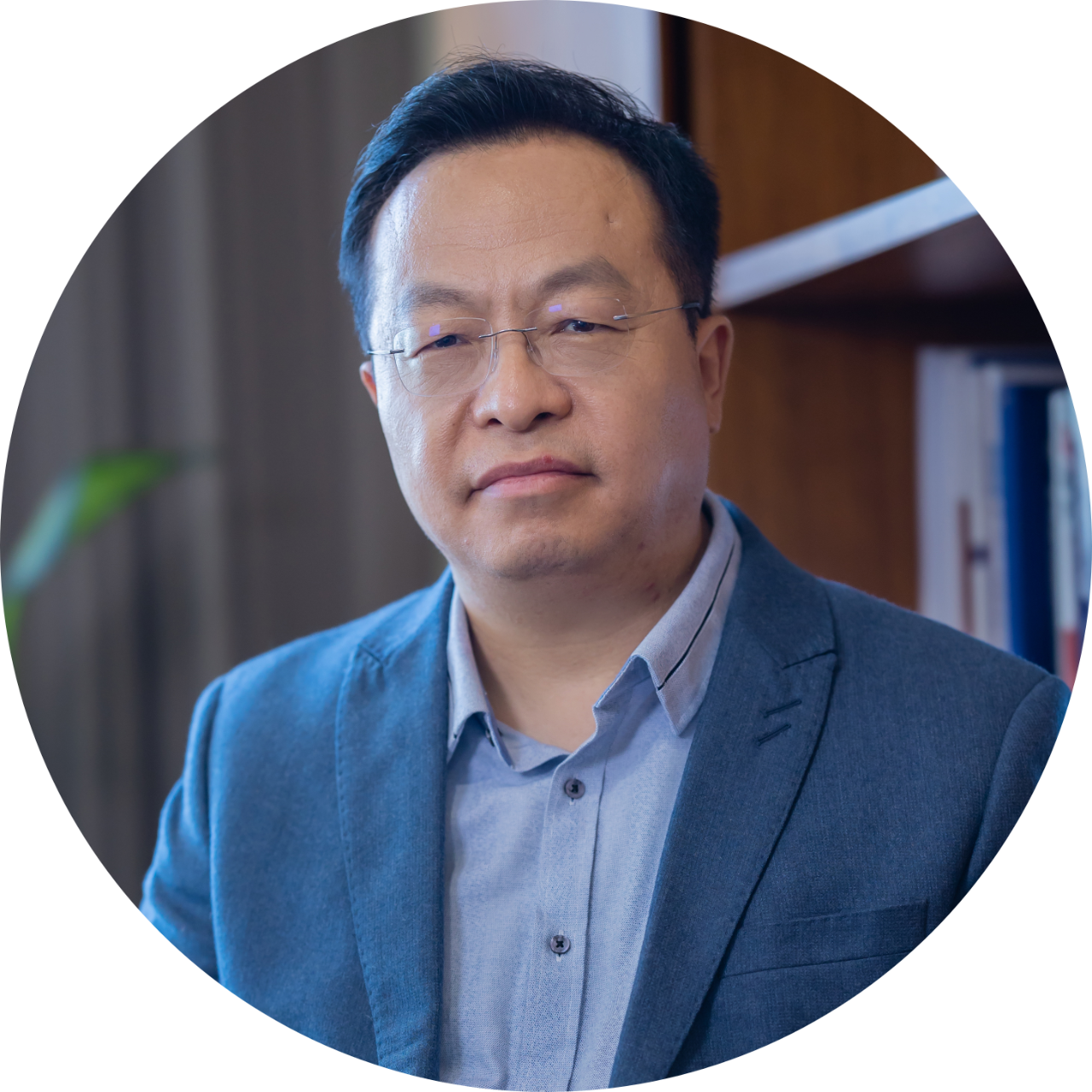
Tiejun Huang
Chairman, Beijing Academy of Artificial IntelligenceHuang Tiejun is Chairman of the Beijing Academy of Artificial Intelligence and Professor at the School of Computer Science, Peking University. He also serves as Director of the State Key Laboratory of Multimedia Information Processing. His research mainly focuses on visual information processing and brain-inspired intelligence. He pioneered the principle of pulse continuous photography, as well as ultra-high-speed vision chips, cameras and systems.He has received numerous accolades, including the Second Prize of the National Technological Invention Award in 2017 for key technologies of efficient visual feature analysis and compression, and the Second Prize of the National Science and Technology Progress Award in 2012 for the development and industrial application of national video coding standards. His other honors include the Outstanding Contribution Award of the China Standards Innovation Contribution Award (2022), the Outstanding Contribution Award of the Wu Wenjun Artificial Intelligence Science and Technology Award (2022), the Innovation Achievement Award of the China Electronics Institute (2024), the Grand Prix of the Jury, the highest honor at the Geneva Inventions Exhibition (2024), and the First Prize of the Technological Invention Award of the Ministry of Education (2025).He holds concurrent positions as Deputy Group Leader of the expert panel for the Major Science and Technology Project on New Generation Artificial Intelligence and Deputy Group Leader of the National Artificial Intelligence Standardization General Group under the Standardization Administration of China. He is a recipient of the National Science Fund for Distinguished Young Scholars, a Yangtze River Scholar and a leading talent in scientific and technological innovation under the National Ten-Thousand Talents Program. He is also a Fellow of the Chinese Association for Artificial Intelligence, China Computer Federation, China Society for Image and Graphics and China Electronics Institute.

Pengwei Wang
Director, BAAI Embodied Model Research CenterDr. Pengwei Wang heads the Embodied Model Research Center at Beijing Academy of Artificial Intelligence (BAAI). His research has long centered on world models and embodied intelligence. He oversees the development of ORCA, the foundational world model, RoboBrain, the embodied brain large model, and RoboOS, the cross-embodiment collaborative framework for main and auxiliary cognitive systems.
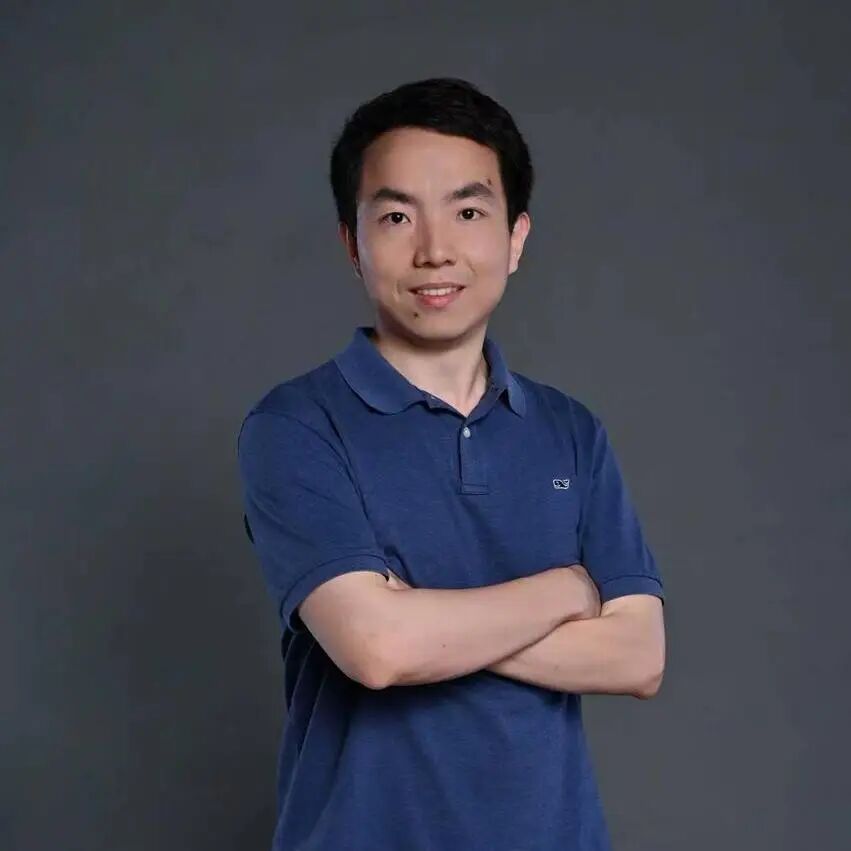
Hang Zhao
Assistant Professor & Tsinghua University, Co-founder @ GalaxeaDr. Xing Zhao is an Assistant Professor at Tsinghua University and Co-founder of @ Galaxea. He earned his doctorate from the Massachusetts Institute of Technology (MIT) and later worked as a Research Scientist at Waymo, Google's autonomous driving project. His research has long focused on robot learning and autonomous driving. He has received numerous honors, including the Best System Paper Award Nomination at CoRL 2023, the Best Paper Award at ICCP, and a place on the MIT Technology Review Innovators Under 35 list.
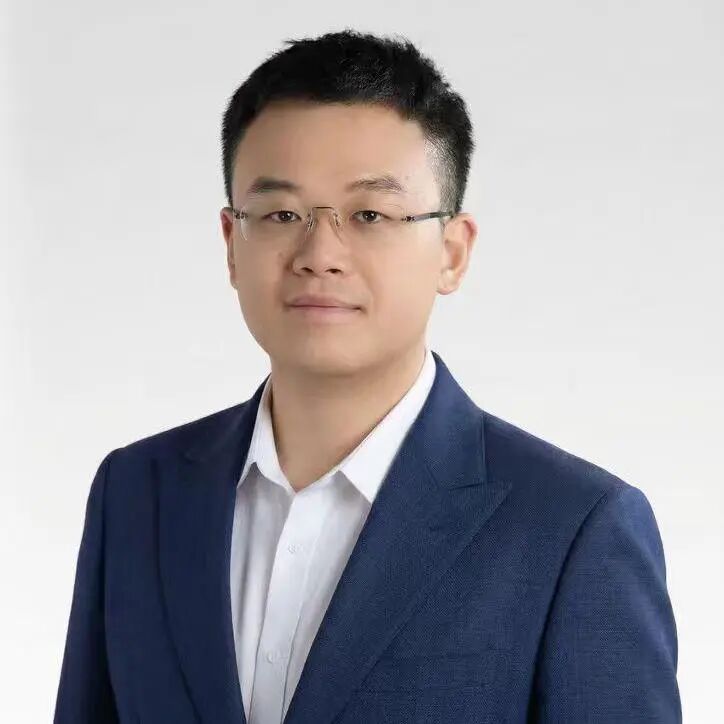
Jianlan Luo
Associate Professor, Shanghai Innovation Institute Cheif Scientist, AGIBOTDr. Jianlan Luo is currently an Associate Professor at Shanghai Chuangzhi College and Chief Scientist at Agibot. He received his PhD from the University of California, Berkeley. He previously conducted research on robotics and artificial intelligence at Google and BAIR (Berkeley Artificial Intelligence Research). His research focuses on embodied intelligence, robot learning, reinforcement learning, and lifelong autonomous learning on physical robot systems. He aims to build general robotic intelligence for complex real-world tasks. His work has gained international influence in robotic manipulation, real-world reinforcement learning and embodied intelligent systems. His accolades include the ICRA Best Paper Award and a spot on the MIT Technology Review Innovators Under 35 (TR35) China List. He has also been selected for the National Young Talent Program and Shanghai Magnolia Talent Program.
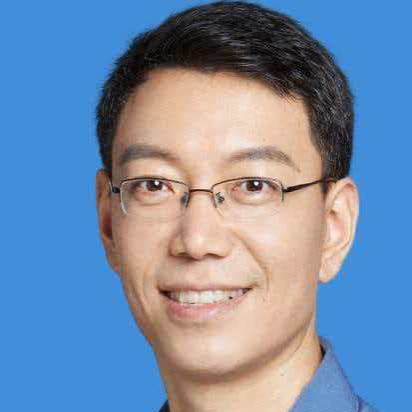
Huaxia Xia
Chief Scientist, LinkerBotHuaxia Xia, Chief Scientist at Linker Hand, Professor-level Researcher. Director of Beijing Academy of Artificial Intelligence (BAAI) and Director of China Computer Federation (CCF).
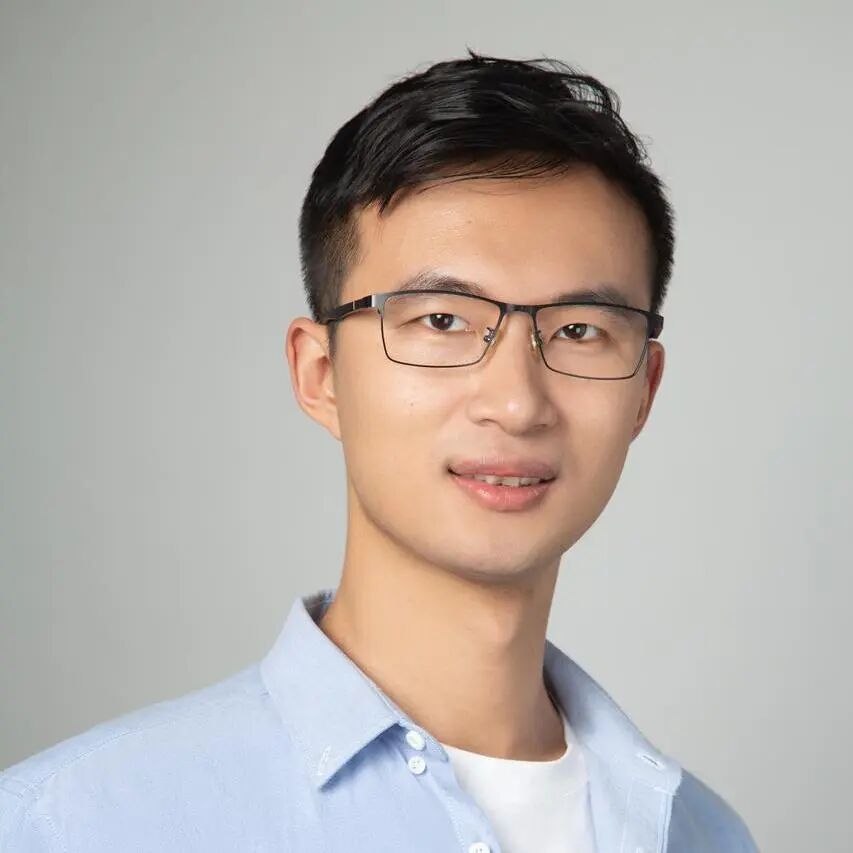
Yang Gao
Co-founder & Chief Scientist at Spirit AI;Assistant Professor at IIIS, Tsinghua UniversityYang Gao | Co-founder & Chief Scientist at Spirit AI;Assistant Professor at IIIS, Tsinghua University .He received his PhD from the University of California, Berkeley, where he was advised by preeminent scholars Pieter Abbeel and Trevor Darrell. His research centers on the cutting-edge intersection of embodied intelligence, reinforcement learning and computer vision. He has made world-class breakthroughs in vision-language-action unified models (OneTwoVLA), efficient reinforcement learning (EfficientZero, delivering 600 times the sample efficiency of DQN) and high-performance imitation learning (Data Scaling Laws). He has authored over 30 high-impact papers published in top international conferences including NeurIPS, ICML, CVPR, ICLR, ICRA and RSS, with his works garnering more than 6,500 citations on Google Scholar. His ViLa technology has been adopted by leading robotics company Figure AI for high-level planning on its Figure 01 robot.
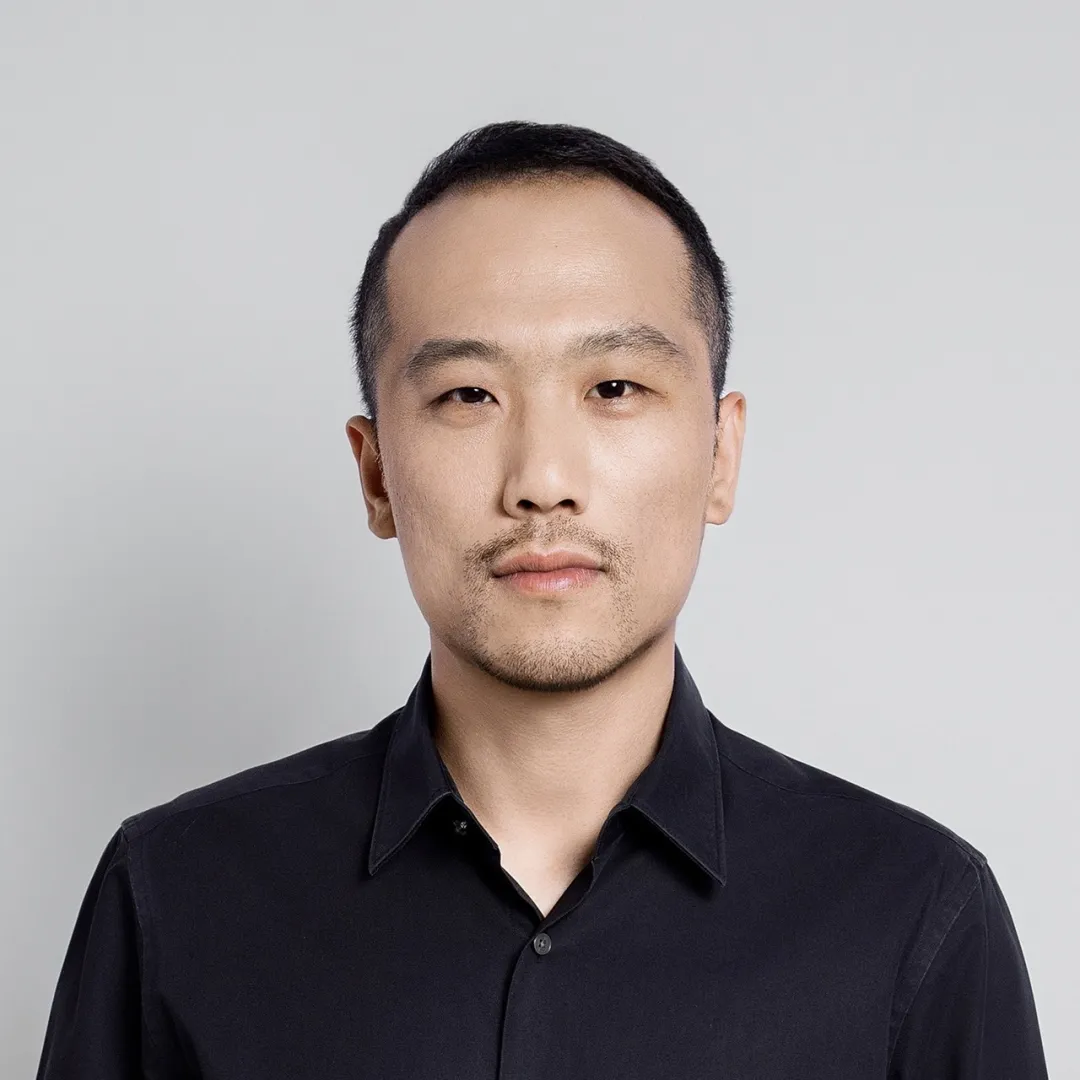
Zongqing Lu
Associate Professor, Peking University, Founder of BeingBeyondZongqing Lu, Associate Professor at the School of Computer Science, Peking University. He is a recipient of the National Young Talent Program and a Beijing Academy of Artificial Intelligence (BAAI) Scholar. His research focuses on reinforcement learning and multimodal large models. He has long served as Senior Area Chair for top-tier conferences including ICML, NeurIPS and ICLR.
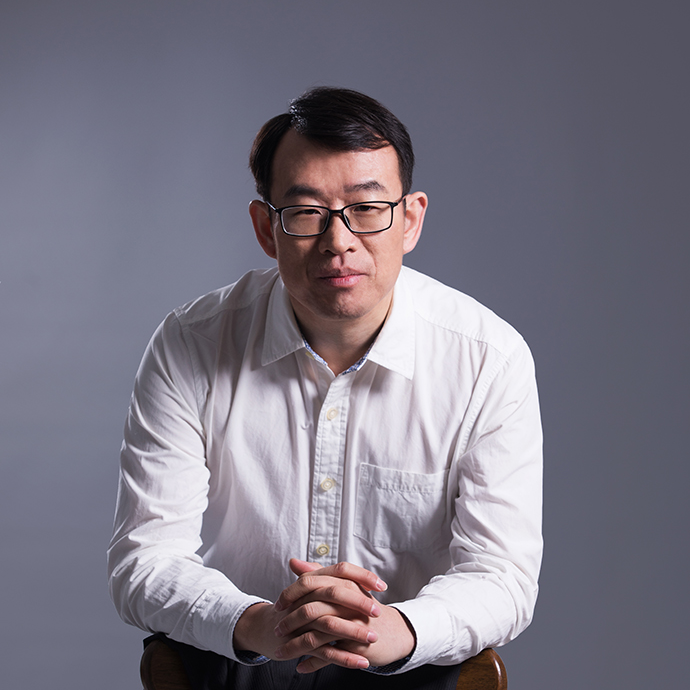
DongLin Wang
Deputy Director, Institute of Artificial Intelligence, Westlake UniversityFounder, Westlake Robotics Technology (Hangzhou) Co., Ltd.DongLin Wang, Doctoral Supervisor, Chief Scientist of the National Science and Technology Innovation 2030 Major Project, Associate Director of the Department of Artificial Intelligence at Westlake University, and Director of the Machine Intelligence Laboratory at Westlake University. He is also the Founder of Westlake Robotics Technology (Hangzhou) Co., Ltd. Dr. Wang has long been dedicated to frontier research in robotic embodied intelligence and reinforcement learning, with the mission of enabling robots to achieve human-like perception, decision-making, and autonomous behavior capabilities. He has conducted systematic research on the key scientific and technological challenges of general-purpose robotic embodied intelligence, establishing a comprehensive theoretical and technical framework encompassing embodied large-model general policies, reinforcement learning algorithms, and collaborative robot software-hardware design. This has formed a full-chain, integrated research system spanning theoretical algorithm innovation, software system development, and hardware platform construction. Over the past five years, his laboratory has led and undertaken multiple national-level important research tasks, including major projects from the Ministry of Science and Technology and the National Natural Science Foundation of China. His team has published over one hundred papers in top international conferences and journals in artificial intelligence and robotics, including ICML, ICLR, NeurIPS, CVPR, and RSS. They have successfully developed several advanced platforms, including quadruped and humanoid robots, and have been granted more than ten national invention patents. These achievements have received extensive coverage from mainstream media outlets such as CCTV-13, People's Daily, and CCTV News.
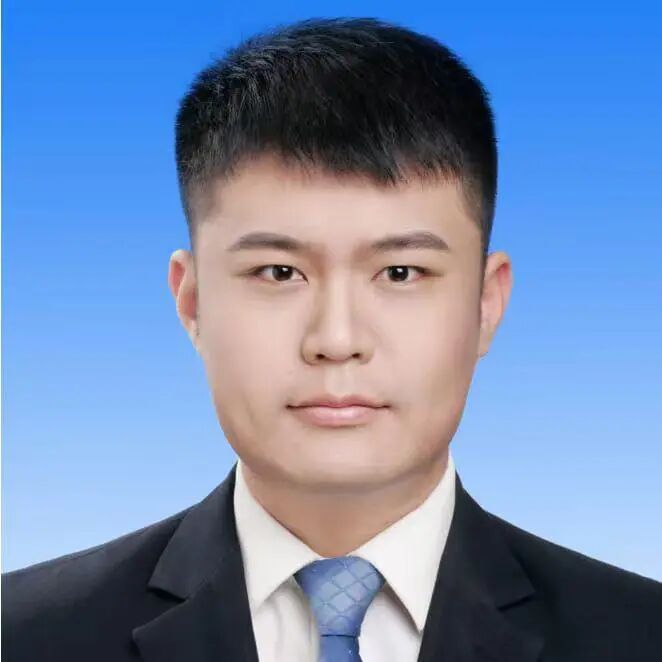
Yao Mu
Assistant Professor, Shanghai Jiao Tong UniversityMu Yao, Tenure-Track Assistant Professor at Shanghai Jiao Tong University. He has been selected for the National Young Talent Program, Shanghai Overseas High-Level Young Talent Program, BAAI Young Scholar Program, and EAI-100 2025 Emerging Scholar. He received his Ph.D. from the Department of Computer Science, University of Hong Kong, and has been a visiting scholar at ETH Zurich, National University of Singapore, and other institutions. Dr. Mu has long been engaged in research on multimodal embodied intelligence, robot learning, embodied digital twins, and physical intelligence. He has served as Area Chair for top international machine learning conferences including NeurIPS and ICLR, Executive Committee Member of the Intelligent Robotics Technical Committee at China Computer Federation (CCF), and Committee Member of the 3D Vision Technical Committee at China Society of Image and Graphics (CSIG). He has published over 50 papers in top international journals and conferences in computer science, including IJRR, RSS, NeurIPS, ICML, and CVPR, with more than 3,600 Google Scholar citations. He has received numerous awards, including the 2025 IROS Best Paper Award Nomination, 2024 ECCV Workshop on Collaborative Embodied Intelligence Best Paper Award, 2024 Chinese Association of Automation Autonomous Robotics Seminar Scholarship (one of five nationwide), 2021 IEEE ICCAS 2020 Best Student Paper Award, and IEEE IV 2021 Best Student Paper Award Nomination.
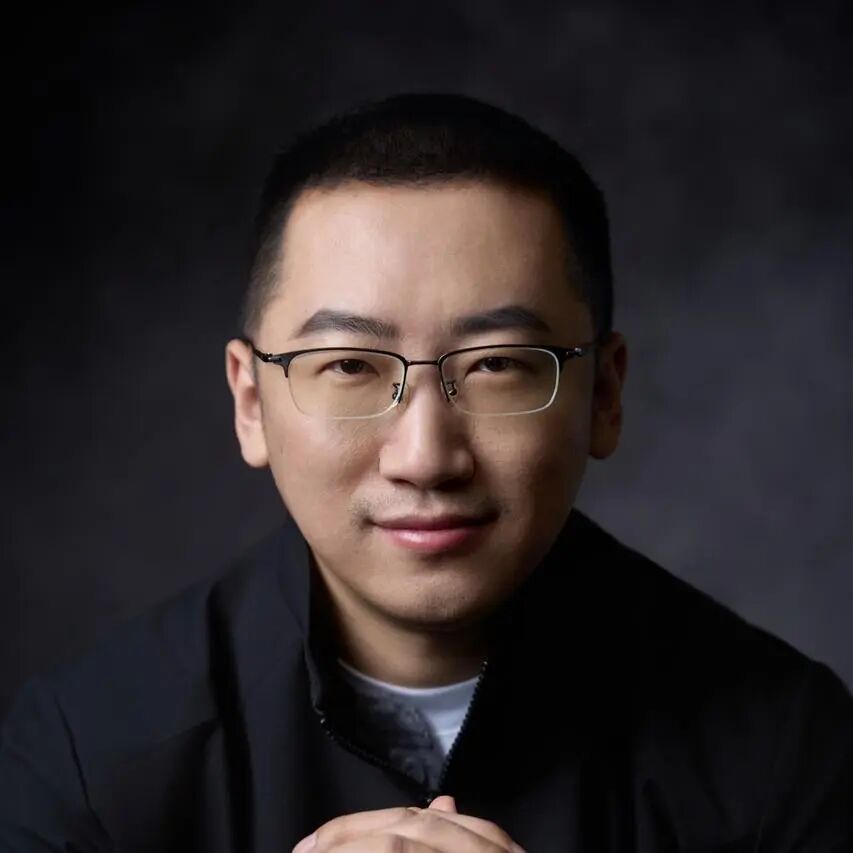
Hongyang Li
Assistant Professor, The University of Hong Kong (HKU)Hongyang Li , Assistant Professor, University of Hong Kong; Co-founder, OpenDriveLab Team (opendrivelab.com) Hongyang Li is an Assistant Professor at the University of Hong Kong and Co-founder of the OpenDriveLab Team (opendrivelab.com). His research focuses on end-to-end intelligent systems for robotics and autonomous driving. He led the development of the end-to-end autonomous driving solution UniAD, proposed in 2022, which won the IEEE CVPR 2023 Best Paper Award. The UniAD series of works has generated significant social and economic impact, including inspiring Tesla's end-to-end FSD launched in 2023. He constructed AgiBot World, a large-scale embodied intelligence training ground that is the industry's first dataset featuring millions of real robot data and tens of millions of simulation data, systematically studying embodied Scaling Law methodologies. This work was selected as a finalist for the IROS 2025 Best Paper Award. His proposed bird's-eye-view perception method BEVFormer was listed among the Top 100 Most Influential AI Papers of 2022 and has become a widely adopted pure-vision detection benchmark in the industry. He has served multiple times as Area Chair (AC) for international conferences including CVPR, NeurIPS, ICLR, ICCV, ICML, and RSS, and received the NeurIPS 2023 Notable AC recognition. He is a reviewer for Nature and Science Robotics, and Guest Editorial Board Member for the journal Automotive Innovations. He is a Senior Member of IEEE, CCF, and CSIG, and Chair of the Autonomous Driving International Standards Working Group, IEEE Vehicular Technology Society. He was honored with the 2024 China Wu Wenjun AI Prize for Young Scientists and the 2023 Shanghai Oriental Talent Program Leadership Project.
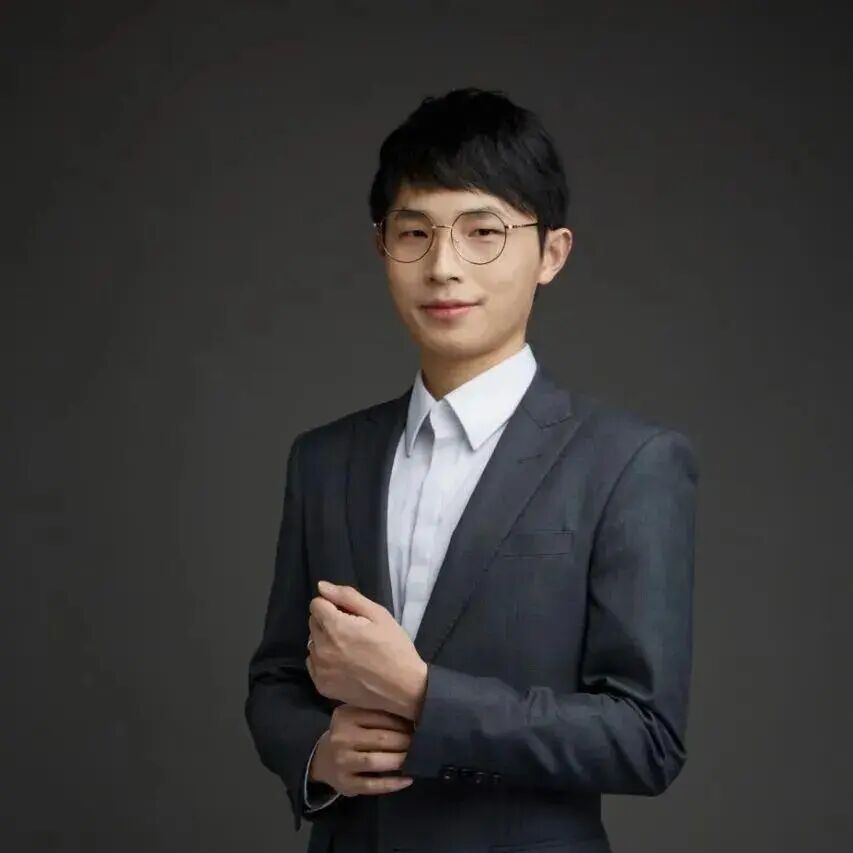
Wenchao Ding
Co-founder and Chief Scientist ,TARS RoboticsWenchao Ding, Co-founder and Chief Scientist of TARS Robotics; Young Researcher and Doctoral Supervisor at Fudan University. He specializes in embodied intelligence perception and decision planning.He received his Ph.D. from the Hong Kong University of Science and Technology. In 2020, he joined Huawei's Intelligent Automotive Solution Business Unit (BU) as a "Genius Youth" recruit, serving as Head of the Prediction and Decision Team for Huawei's Autonomous Driving Solution (ADS), where he built the end-to-end decision framework for Huawei ADS from the ground up. In 2023, he joined Fudan University as a Researcher. He has published over 50 papers in high-level domestic and international journals and conferences. He was selected for the Shanghai Magnolia Talent Program (Pujiang Talent Program), serves as Associate Editor for top robotics publications such as ICRA and IROS, and received Best Paper Award Nominations at IEEE ROBIO and IEEE ICCD.In 2025, as Co-founder and Chief Scientist, he established Tashi Intelligent Navigation, proposing a human-centric embodied intelligence paradigm. The company consecutively set domestic records for the largest angel round and pre-A round financing in embodied intelligence, and broke the Guinness World Record for robot wiring harness flexible insertion within one hour.
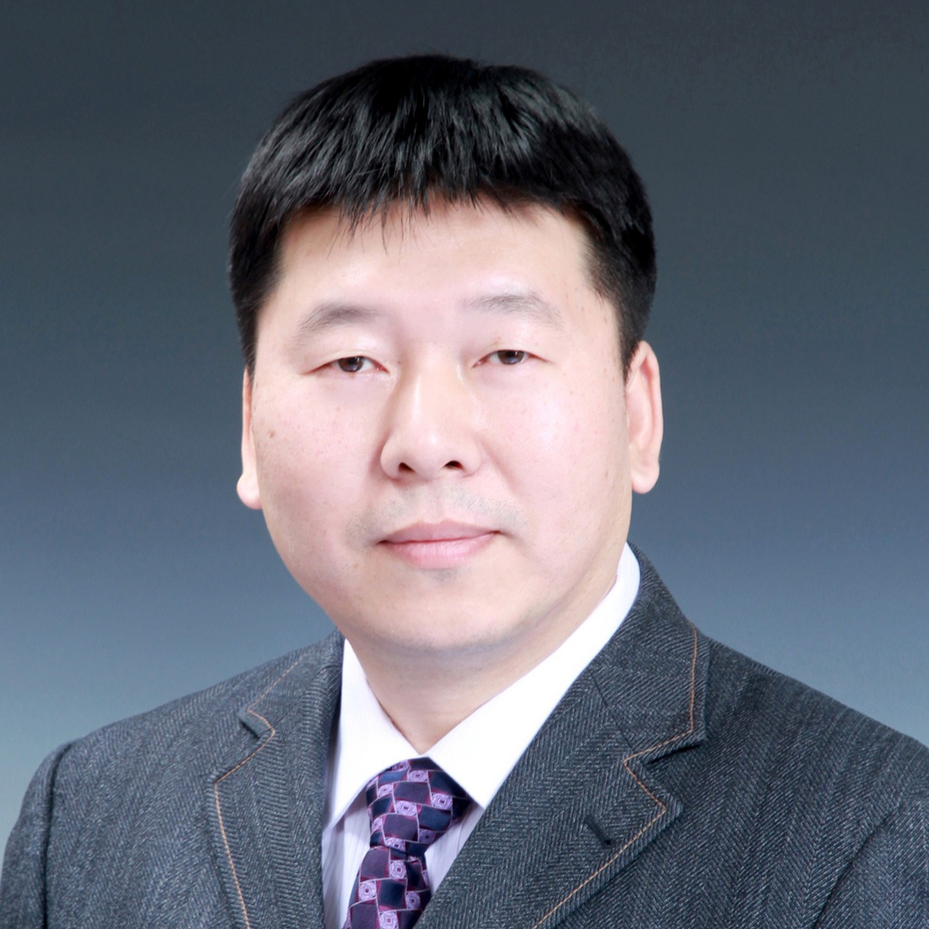
Tao Zhang
Dean, Institute for Embodied Intelligence and Robotics; Department Chair, Department of Automation; Vice Dean, School of Information Science and Technology, Tsinghua UniversityZhang Tao is Tenured Professor and Chair of the Department of Automation as well as Director of the Institute for Embodied Intelligence and Robotics at Tsinghua University. He is a Member of the Electronic Science and Technology Committee of the Ministry of Industry and Information Technology of China, and a Director of the Chinese Association for Artificial Intelligence, the Chinese Association of Automation and the China Simulation Federation. Also a Fellow of IEEE, IET and AAIA, Fellow of the Chinese Association of Automation, Member of the IFAC Technical Committee on Robotics and Chief Scientist of the National Key R&D Program of China, his research covers robotics, artificial intelligence, control theory, intelligent control, robot navigation and control, and modeling and simulation of intelligent systems. He has published over 200 academic papers including more than 100 SCI-indexed articles, authored more than 10 monographs, translated works and textbooks, and holds over 30 authorized national invention patents.
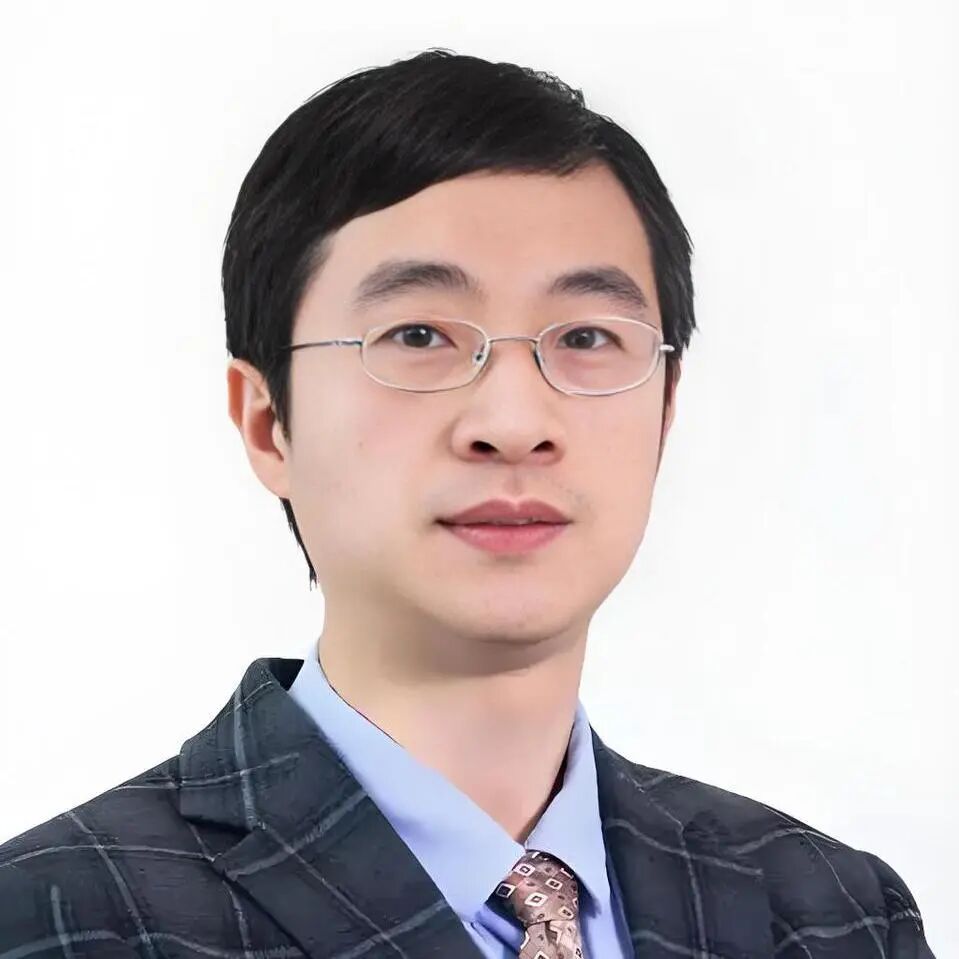
Shuanggen Jin
Vice President of Henan Polytechnic UniversityJin Shuanggen, Vice President of Henan Polytechnic University and a Leading Talent of the National Ten-Thousand Talents Program. His main research areas include satellite navigation, environmental remote sensing and planetary science. He has published over 400 SCI papers in top-tier and major international journals, and authored more than 16 monographs and textbooks. His works have been cited over 20,000 times by publications including *Nature*, with an h-index of 76. He holds more than 50 national invention patents and software copyrights. Dr. Jin serves as Chair of the IUGG Commission on Planetary Sciences, Chair of the Global Chinese Navigation and Positioning Association (2016), as well as Editor-in-Chief, Associate Editor and Editorial Board Member for over ten international journals. He is also listed as an Elsevier Highly Cited Chinese Researcher and among the World's Top 2% Scientists.
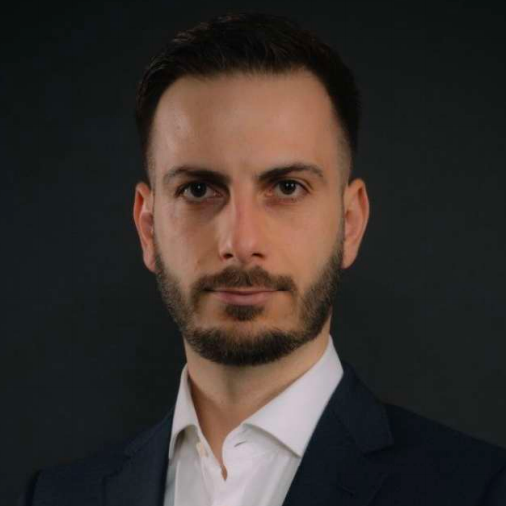
Silviu Florin Acaru
Data Science Contributor to the DigiLignin Project, Maastricht University, NetherlandsSilviu Florin Acaru is a Data Scientist and R&D Leader with over a decade of experience in artificial intelligence, machine learning, automation, and materials science innovation. His work focuses on energy materials, semiconductor processing, biomass conversion, the circular economy, and advanced manufacturing. He possesses outstanding expertise in predictive analytics, machine learning model deployment, data science infrastructure development, and cross-functional technical team management. He currently serves as an AI Operations Expert in the Netherlands, where he is responsible for the development and deployment of machine learning models, the construction of MLOps pipelines, and the integration of AI systems for energy materials and semiconductor processing applications. Previously, he was the Director of Data Science at SynSilico B.V. and a Postdoctoral Researcher at Maastricht University, where his research focused on machine learning algorithms for chemical formulation optimization and the development of sustainable biopolymers. He holds a Ph.D. from the University of Brunei Darussalam, with a research focus on the application of machine learning in energy systems, biomass conversion, and the circular economy.
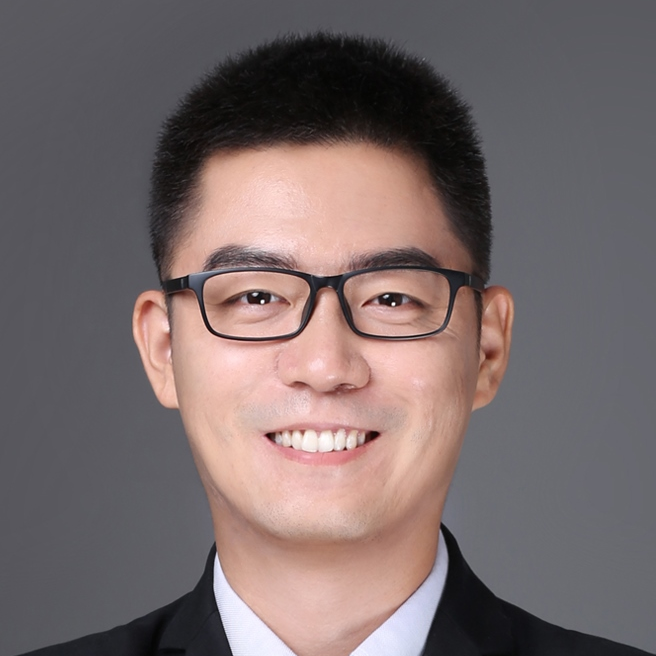
Baixin Shi
BAAI Scholar, Researcher, Tenured Associate Professor at the School of Computer Science, and Deputy Director of the Institute of Video and Vision Technology, Peking UniversityShi Baixin, a Yuan Scholar of Beijing Academy of Artificial Intelligence (BAAI), Researcher and Tenured Associate Professor at the School of Computer Science and Deputy Director of the Institute of Video and Visual Technology of Peking University, works as Chief Scientist for major national science and technology projects of the Ministry of Science and Technology, Principal Investigator of key projects supported by the National Natural Science Foundation of China, and Director of the Peking University-Zhpingfang Joint Laboratory for Embodied Intelligence. He received his PhD from the University of Tokyo and conducted postdoctoral research at the MIT Media Lab. His research mainly covers computational photography and artificial intelligence. He has published over 270 papers, including 37 in TPAMI and 110 at the three top computer vision conferences. His papers won the Runner-up for Best Paper at CVPR 2024 and ICCP 2015, and were nominated for Best Paper Awards at CVPR 2026, 3DV 2026 and ICCV 2015. He has been awarded the Okawa Research Grant Award in 2021, the Young Scientist Award of the Chinese Institute of Electronics in 2024 and the Outstanding Editorial Board Member Award of IJCV in 2025. He now serves as an editorial board member of top international journals TPAMI and IJCV, and Area Chair for leading conferences such as CVPR.
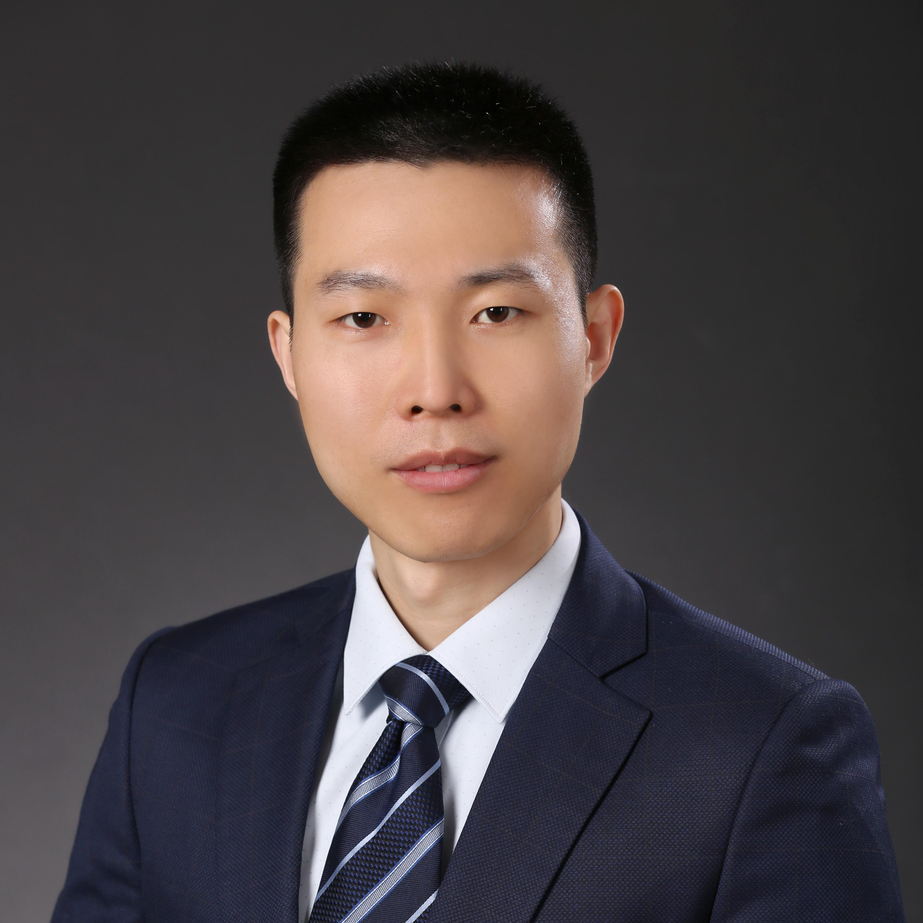
Xin Yi
BAAI Young Scholar; Associate Professor, Institute for Network Sciences and Cyberspace, Tsinghua UniversityYi Xin, a BAAI Young Scholar and Associate Professor at the Institute for Network Sciences and Cyberspace, Tsinghua University, has long dedicated his research to network application security, usable privacy and security, as well as AI security. Targeting scenarios including intelligent terminals, the Internet of Things, social networks, AI services and mixed reality, he conducts research on natural authentication, personal privacy protection, trustworthy AI collaboration and cognitive security. He has published more than 40 papers in prestigious international conferences and journals such as CHI, UIST, UbiComp and CVPR, and applied for and obtained over 20 patents. His accolades include the 2024 ACM SIGCHI China Rising Star Award, the 2021 Excellent Scientific and Technological Achievement Award from the Chinese Association for Artificial Intelligence, and the 2018 Outstanding Doctoral Dissertation Award of CCF. His research outcomes have been widely applied to popular commercial products including Huawei smartphones, Sogou Input Method and Ant Smart Glasses, as well as key national fields such as Beijing Capital International Airport and manned spaceflight.
Hao Tang
BAAI Young Scholar; Assistant Professor, School of Computer Science, Peking UniversityTang Hao, a BAAI Young Scholar and Assistant Professor/Researcher at the School of Computer Science of Peking University, also serves as a research supervisor for the Turing Class, Boya Young Scholar and Weiming Young Scholar at Peking University. He is a recipient of the national high-end overseas talent program and has been listed in Stanford University's World's Top 2% Scientists for three consecutive years. He earned his doctoral degree from the University of Trento, Italy, and completed his postdoctoral research at the Robotics Institute of Carnegie Mellon University and the Computer Vision Laboratory of ETH Zurich. His research mainly focuses on embodied intelligence, generative artificial intelligence and computer vision. He has published more than 150 papers in top-tier international conferences and journals including CVPR, NeurIPS and TPAMI, with over 14,000 citations. Additionally, he acts as an editorial board member for multiple international journals, as well as an Area Chair and Program Committee Member for numerous international conferences.
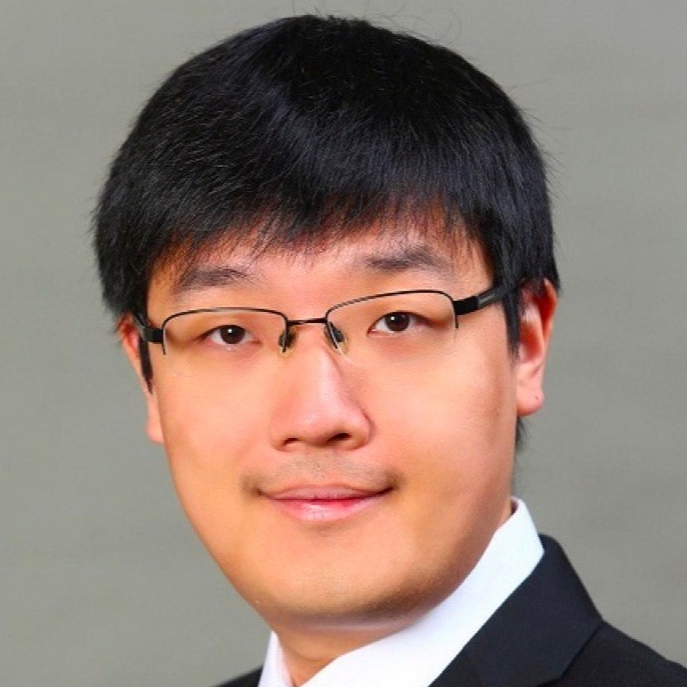
Yanan Sui
BAAI Young Scholar, Tenured Associate Professor, Tsinghua UniversitySui Yanan, a BAAI Young Scholar and Tenured Associate Professor at Tsinghua University, focuses his research on dynamical system modeling, control and reinforcement learning for embodied intelligence and brain-computer interfaces. He has presided over research projects including the National Young Talent Program and major national science and technology projects. His research achievements have been compiled as an independent chapter in textbooks adopted by Stanford University and other institutions. He has received awards such as the Best Paper Award from the International Conference on Robotics and Automation. Serving as an organizing committee member and senior area chair for top-tier AI conferences, he has been honored with the MIT Technology Review Innovators Under 35 (China) and AI 100 Young Pioneer Award for his contributions to artificial intelligence and neural engineering.
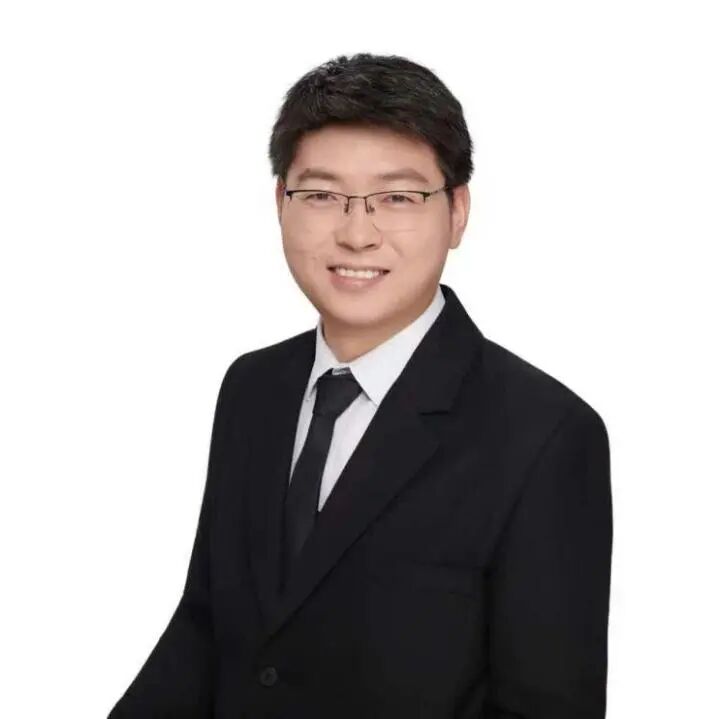
Hui Wang
Tenured Professor, University of Science and Technology of China; Recipient of the Young Scientists Award for Sustainable DevelopmentWang Hui is a Distinguished Professor at the University of Science and Technology of China and recipient of the 3rd Young Scientist Award for Sustainable Development. He devotes himself to the field of photonic quantum computing. His team took the lead in developing a single-photon source with indistinguishability over 99% and collection efficiency above 90%, laying a core foundation for high-performance photonic quantum computing. As a key contributor, he participated in the development of Jiuzhang, the world's first photonic quantum prototype that outperforms classical supercomputers, propelling China's quantum computing research to the global forefront. He has published 11 papers as first or corresponding author in top international journals including *Science*, *Nature Photonics* and *Physical Review Letters*.
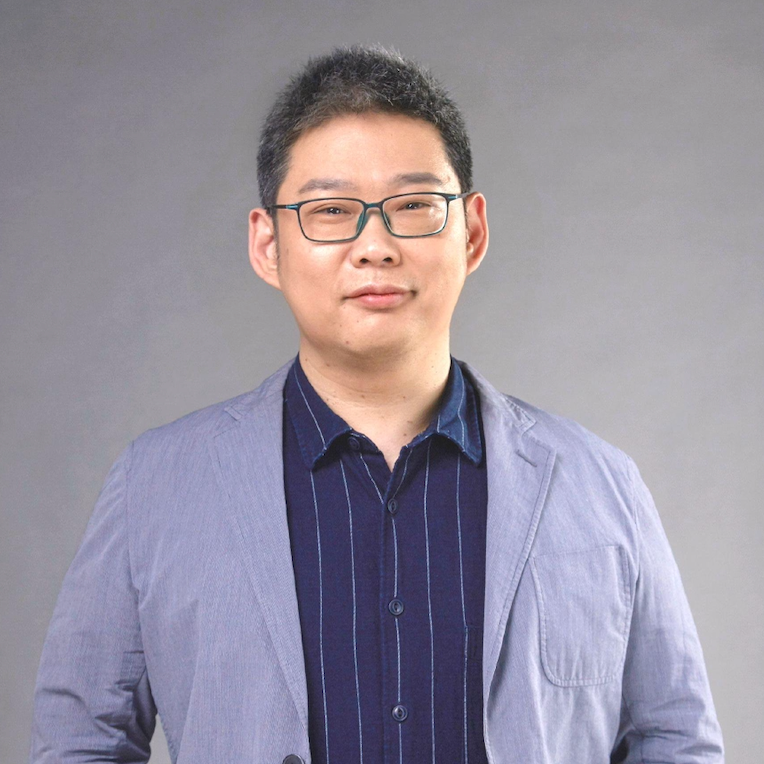
Sheng Wang
Partner, Innotech Capital; Chairman of the Beijing Frontier Institute of Artificial IntelligenceWang Sheng is Chairman of Beijing Frontier International AI Research Institute and Partner at Inno Venture Capital. A pioneer in China's internet industry, he previously worked at Yinghaiwei and Sohu, and introduced and formulated China's internet traffic statistics standards. He has founded multiple internet enterprises, which have secured successful financing and been acquired. He graduated from the Department of Automation, Beijing Institute of Technology. His accolades include Top 10 Angel Investors in Zhongguancun (2017), CLPA Annual Top Venture Capitalists Born in the 1970s (awarded for two consecutive years), Top 100 Best Investors in China & Top Investors in China's AI Industry (2024) by Qimingpian, and Top 30 Outstanding Early-stage Tech Investors (2025) by Jiazi Lightyear.
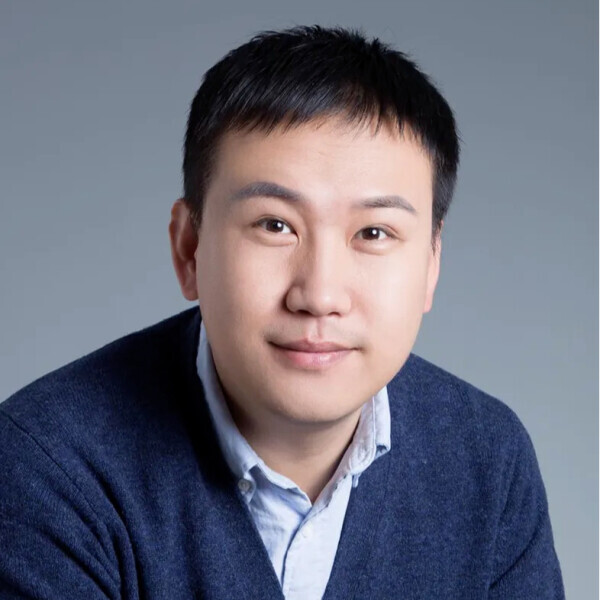
Hao Cheng
Founder & CEO, JuevolutionCheng Hao, Founder and CEO of Accelerated Evolution, graduated from the Department of Automation, Tsinghua University. Boasting years of experience in internet product research and development as well as management, he previously worked at Amazon and ByteDance, where he served successively as Vice President of Feishu Products and Head of Nuverse. He has been engaged in the robotics industry for more than a decade and once captained Tsinghua University's Vulcan Robot Soccer Team in international competitions. In 2023, he founded Accelerated Evolution to build an embodied intelligence ecosystem combining hardware, software and development tools. The company has rolled out humanoid robots including Booster T1 and Booster K1, and achieved remarkable results at international events such as the RoboCup Robot World Cup.
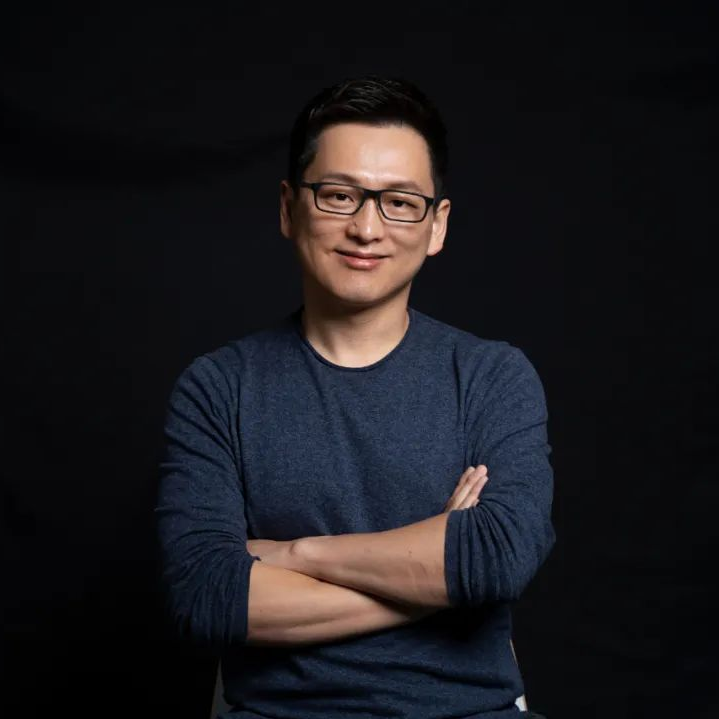
Shisan Ji
Founder & CEO of Guokr; Founding Partner, Future Lightcone Frontier Tech FundJi Shisan is Founder and CEO of Guokr, Founder of Songshuhui, and Founding Partner of Future Cone Frontier Technology Fund. Holding a PhD in neurobiology and a senior professional title in science communication, he also serves as Deputy Director of the Popular Science Work Committee of the Central Committee of the Jiu San Society, Executive Member of the Youth Committee of APEC China Business Council, and Deputy Secretary-General of the Young Talents Association of Innovation China. He has been honored as National Advanced Worker for Science Popularization, Young Global Leader by the World Economic Forum (Davos), Forbes China Cultural Influential Figure, and recipient of the China Science and Technology Communication Award.
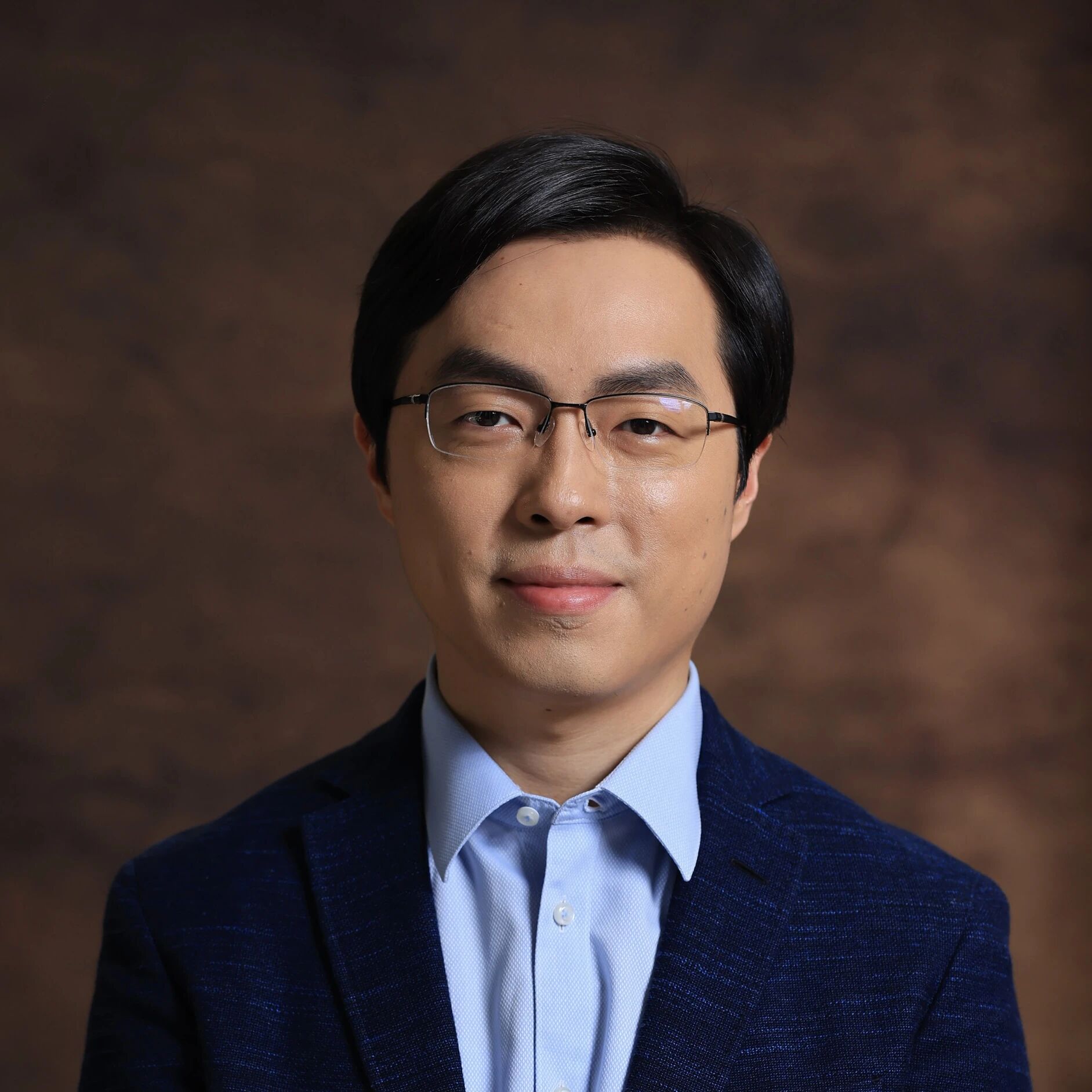
Zhongyuan Wang
President, Beijing Academy of Artificial IntelligenceDr. Wang Zhongyuan is President of Beijing Academy of Artificial Intelligence (BAAI). He has worked at world-class research institutions and leading technology companies including Microsoft Research Asia, Meta, Meituan and Kuaishou. For years, he has overseen the research and development of core AI technologies and the construction of large-scale intelligent systems. In 2018, he was selected for the 35 Innovators Under 35 (TR35) list released by MIT Technology Review. With more than 20 years of in-depth research in core artificial intelligence fields, Dr. Wang has published over 100 papers in top international academic conferences and journals and authored multiple academic monographs. He also holds a host of core patents both at home and abroad. His research works have been featured in Nature, and he received the Best Paper Award at ICDE 2015. Since assuming the position of President of BAAI, he has taken advancing AI from the digital world to the physical world as the core goal. He advocates a development philosophy of leading growth through cutting-edge innovation, enabling young talents to take on key responsibilities, and fostering an ecosystem via open source and openness. He leads his team in conducting fundamental research and applied exploration on large language models, multimodal large models, world models and embodied intelligence. He has spearheaded the creation of an internationally influential open-source technology ecosystem, cultivated and recommended numerous top-tier researchers for China's AI sector, and kept driving the global development of artificial intelligence through original innovation.
Yequan (Evan) Wang
Founder & CEO, Spin Matrix, PI of Cognitive Computing Team, BAAIWang Yequan, Founder & CEO, Spin Matrix, PI of Cognitive Computing Team, BAAI and Research Fellow at Peking University, is the Principal Investigator of the National Major Science and Technology Project for the New Generation of Artificial Intelligence and one of the AI 2000 Most Influential Scholars in Artificial Intelligence worldwide. His research primarily centers on the R&D of large language models, with the FLM series as his representative achievement. He has published over 60 papers in top international conferences, obtained more than 20 domestic and overseas invention patents, and earned nearly 5,000 citations on Google Scholar. The Tele-FLM series models jointly developed with China Telecom were officially launched at the 2024 Zhongguancun Forum, World Artificial Intelligence Conference (WAIC) and BAAI Conference, and were selected as highlights on the OSChina Innovation List. His proposed ATAE-LSTM and RNN-Capsule have become foundational works in fine-grained sentiment analysis, repeatedly named the most influential papers by Paper Digest and included in multiple Google Scholar Metrics rankings.
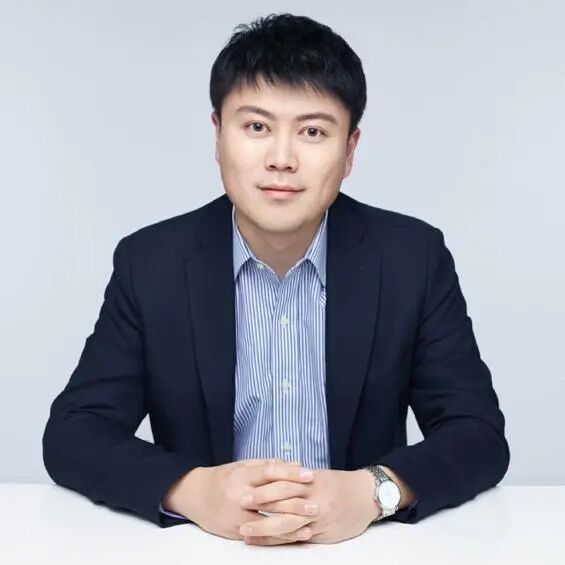
Yandong Guo
AI² Robotics Founder & CEOGuo Yandong, AI² Robotics Founder & CEO, was selected in 2022 under the National Innovation Leadership Talent Program (Future Intelligent Terminal Track, QM Program), and was formally appointed as Adjunct Professor at The Hong Kong University of Science and Technology (Guangzhou) in 2025. He earned his Ph.D. from Purdue University in 2013, where he was advised by National Academy of Engineering members Jan Allebach and Charles Bouman. Dr. Guo is a rare industry expert bridging AI and intelligent hardware. He previously served as Chief Scientist and held senior R&D management roles at OPPO, and before that worked as a researcher at Microsoft Headquarters in Seattle and as Chief Scientist at XPeng Motors. The intelligent systems he has led have been deployed across hundreds of thousands of intelligent vehicles, hundreds of millions of consumer electronics devices, robots, and Microsoft's MaaS platform, generating tens of billions of RMB in economic value. In 2021, Dr. Guo was awarded the First Prize for Technical Invention by the China Society of Image and Graphics. He has published over 100 top-tier international papers with nearly 10,000 citations, and holds hundreds of patents both domestically and internationally.
Jianyu Chen
Founder of RobotEraChen Jianyu earned his PhD from UC Berkeley. With over 10 years of research experience in robotic hardware and AI algorithms, he has published more than 70 papers on embodied intelligence in top-tier international conferences and journals across robotics and AI. Many of his works were finalists for outstanding paper awards at RSS 2024, L4DC 2022, IEEE IV 2021 and IFAC MECC 2021. He currently serves as Assistant Professor and PhD Supervisor at the Institute for Interdisciplinary Information Sciences, Tsinghua University, and Principal Scientist at Shanghai Qi Zhi Institute. He also holds concurrent positions as Director of the Council of the China Electronics Institute and Deputy Secretary-General of the China Humanoid Robotics 100 Talents Committee. In 2023, he founded ROBOTERA, focusing on developing general-purpose humanoid robots and general robot intelligence. In the field of embodied large models, ERA-42 launched by ROBOTERA under his leadership is the world's first embodied model integrated with a world model, and the only model in China that enables precise control over the full body and five-fingered dexterous hands of high-degree-of-freedom humanoid robots. The company has rolled out a full lineup of products including full-size humanoid robots, wheeled service robots and five-fingered dexterous hands. ROBOTERA's products have achieved large-scale delivery worldwide, with nine out of the world's top 10 tech companies by market capitalization among its clients.
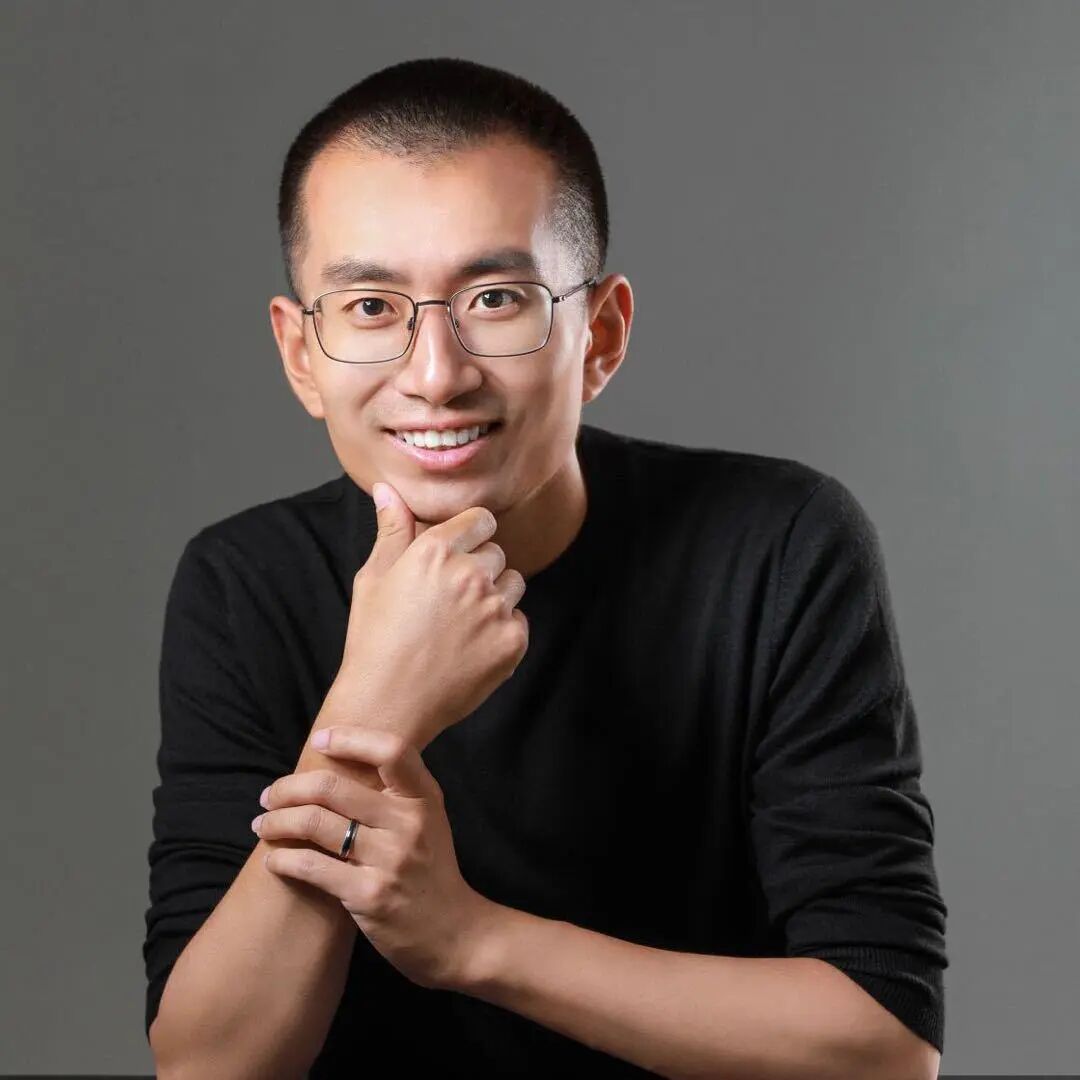
Chen Xie
Founder & CEO, Guanglun IntelligenceXie Chen, Founder & CEO, Guanglun Intelligence. He holds a bachelor's degree in Physics and a PhD in Quantitative Finance from Peking University and Columbia University in the United States. He previously served as Head of Autonomous Driving Simulation at NVIDIA, Cruise and NIO. As a national leading talent, he pioneered the integration of generative AI into simulation worldwide, and led the establishment of Lightwheel AI's full-stack self-developed simulation technical framework featuring the trinity of "Solving-Measurement-Generation". He is a core member of the Technical Steering Committee for Newton, an open-source GPU-accelerated physics simulation engine, which was jointly founded by experts from top global institutions including NVIDIA, Google DeepMind, Disney Research and Toyota Research Institute.
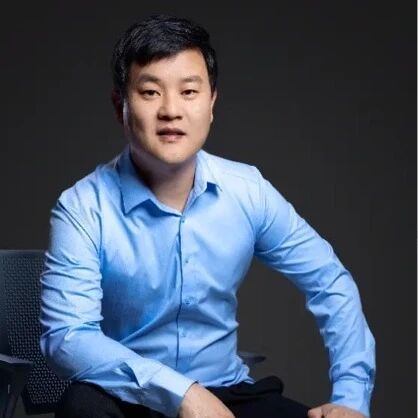
Xing Zhu
CEO, RobbyantZhu Xing (alias: Tao Zhai), born in 1985, is currently CEO of Robbyant. With more than ten years of experience in internet technology, he has been engaged in fintech, local life services, advertising commercialization and embodied intelligence. Since 2011, he has served successively as Senior Technical Expert at Alipay, Chief Technical Architect at Koubei, Senior Vice President of Technology of Ele.me and CTO of Ele.me Hummingbird Delivery, as well as General Manager of the Advertising Business Unit at Alipay. He led the construction of a billion-scale payment platform, developed a supercomputing platform for instant delivery, and built Alipay's advertising commercialization system from the ground up, securing major business and technological breakthroughs. Taking office as CEO of Ant Lingbo Technology in 2024, he now focuses on the R&D of foundational platforms for embodied intelligence, aiming to bring robots into ordinary households and make them helpful assistants for daily life services.
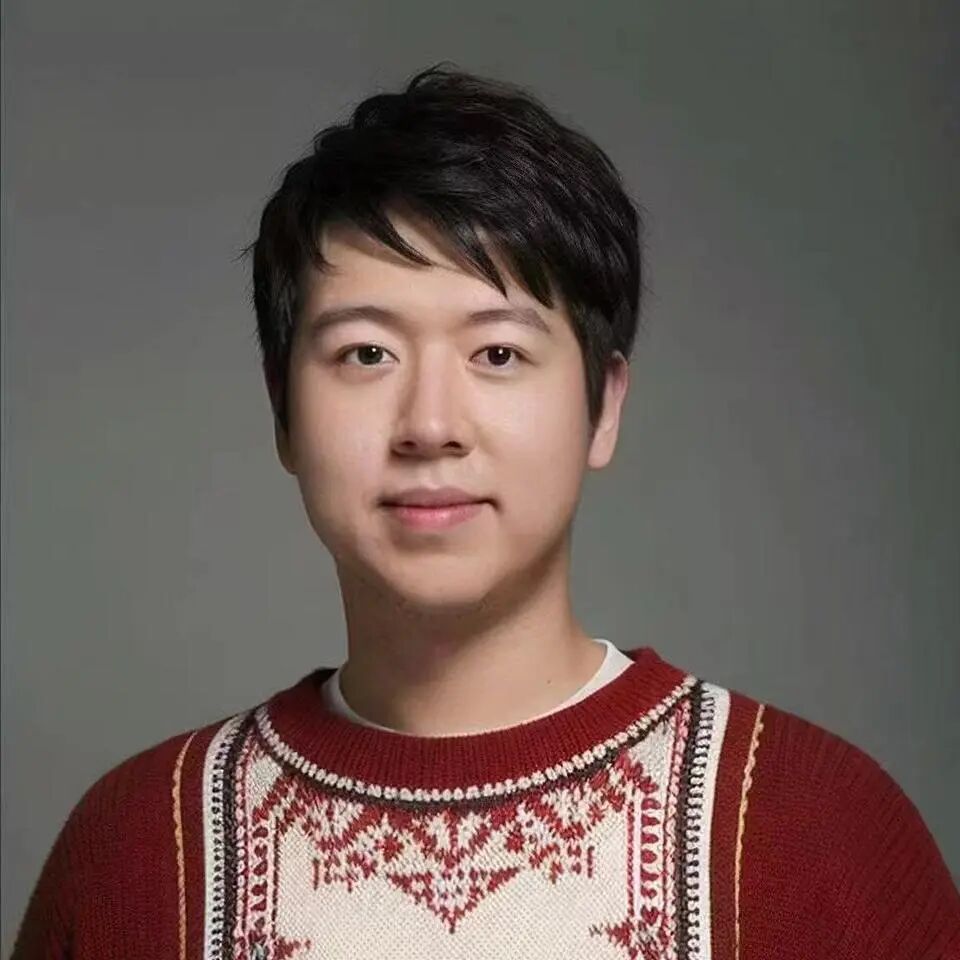
Huazhe Xu
Founder of PokeBot , Assistant Professor at IIIS Tsinghua UniversityXu Huazhe, Founder of PokeBot , Assistant Professor and PhD Supervisor at the Institute for Interdisciplinary Information Sciences, Tsinghua University. He completed his postdoctoral research at Stanford University, earned his PhD from the University of California, Berkeley, and received his bachelor's degree from the Department of Electronic Engineering, Tsinghua University. His long-term research focuses on general embodied intelligence, aiming to enable robots to learn and operate in real household environments and bring general-purpose robots into every family. As the recipient of the Best System Paper Award at CORL'23, he has published over 100 papers in top journals and conferences including IJRR, RSS and NeurIPS. He has also served as Area Chair or Associate Editor for numerous conferences such as IJCAI, ICRA, ICLR and CORL.
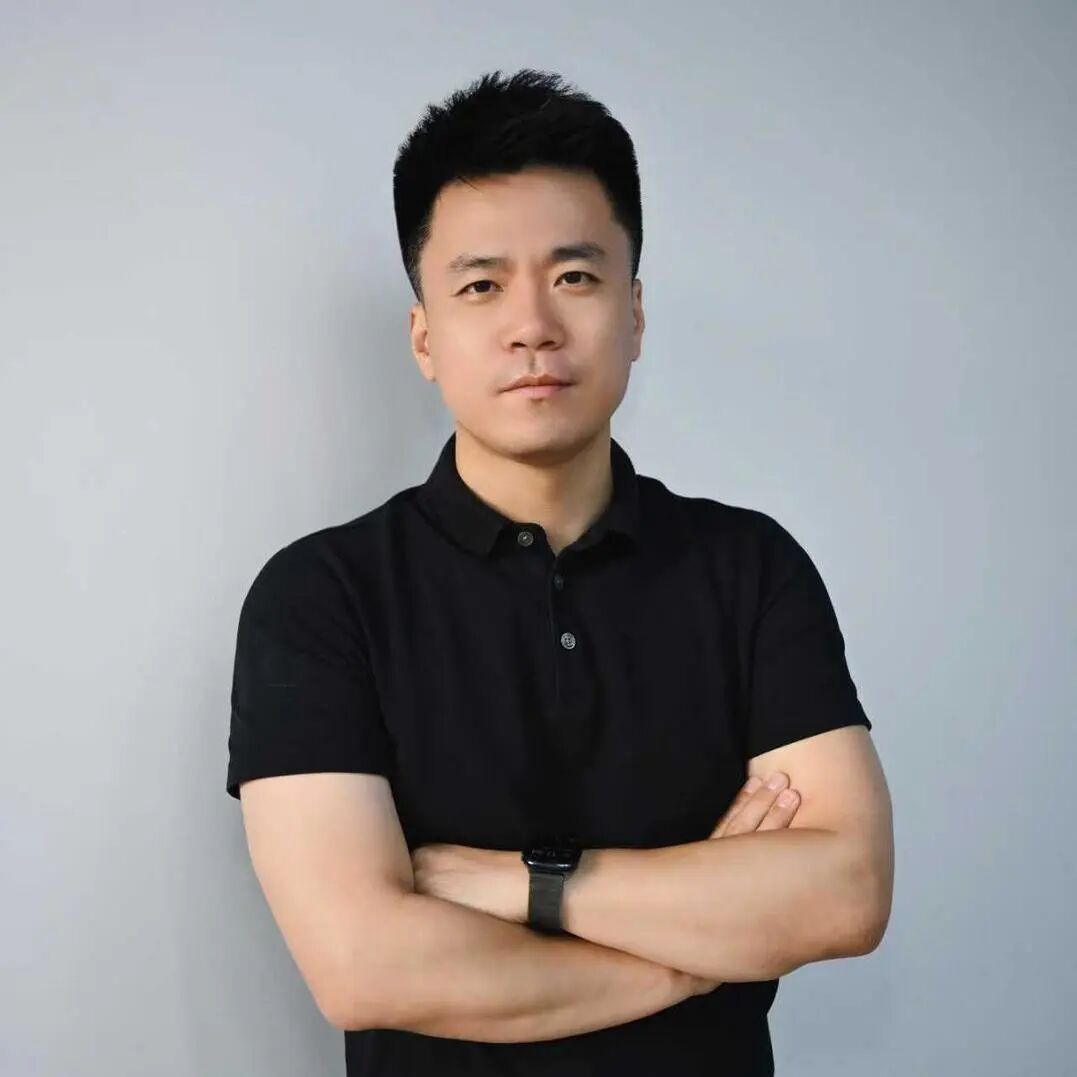
Fengtao Han
Founder & CEO of Spirit AIHan Fengtao is the Founder and CEO of Spirit AI. He earned his bachelor's degree from Huazhong University of Science and Technology and a master's degree from the College of Control Science and Engineering, Zhejiang University. After launching his first startup in 2015, he returned to Huazhong University of Science and Technology to pursue his doctoral degree under the supervision of Academician Ding Han, a leading figure in the robotics field. With over a decade of experience in the global robotics industry, he has accumulated extensive expertise and forward-looking insights. In 2015, he co-founded Luoshi Robotics as CTO and led the establishment of a world-class team for motion control and algorithm R&D. Under his leadership, the team developed and delivered two core product lines of industrial and collaborative robots with cumulative shipments exceeding 20,000 units, efficiently translating technological innovations into large-scale commercial value. A pioneer in technological innovation, Han Fengtao holds multiple invention patents and has taken an active part in key national research projects, including national key R&D programs for robotics and special projects of the Ministry of Industry and Information Technology for high-quality industrial development. In 2024, he embarked on his second entrepreneurial journey by founding Spirit AI, focusing on embodied intelligence. Leveraging core capabilities in world-class motion control algorithms and experience in mass-produced robot design, he strives to drive technological breakthroughs and industrial transformation across the embodied intelligence sector. To date, Spirit AI has built full-stack core technological advantages covering high-performance motion control, high-precision force sensing and end-to-end embodied large models, with relevant technical indicators reaching an advanced level domestically.

Yong Zhou
Founder & CEO of LinkerbotZhou Yong is the Founder of Linkerbot. As a global leader in dexterous hands and large models for dexterous creation, Linkerbot covers all three mainstream technical routes: tendon-driven, linkages and direct drive. It achieves a maximum monthly output of over 4,000 units and holds more than 80% share of the global market for high-degree-of-freedom dexterous hands, having secured billions of yuan in cumulative financing. Guided by the mission of "Creating Everything", the company aims to realize the vision of Doraemon's magical pocket, and conducts in-depth full-stack independent R&D ranging from underlying materials and reducers to large physical creation models. Zhou Yong led the development of the Linker Hand series of dexterous hands, the Open TeleDex teleoperation system and the LinkerSkillNet skill library, and also launched the Linker Genesis large creation model. The company has set a global benchmark in the fields of dexterous manipulation and intelligent creation.
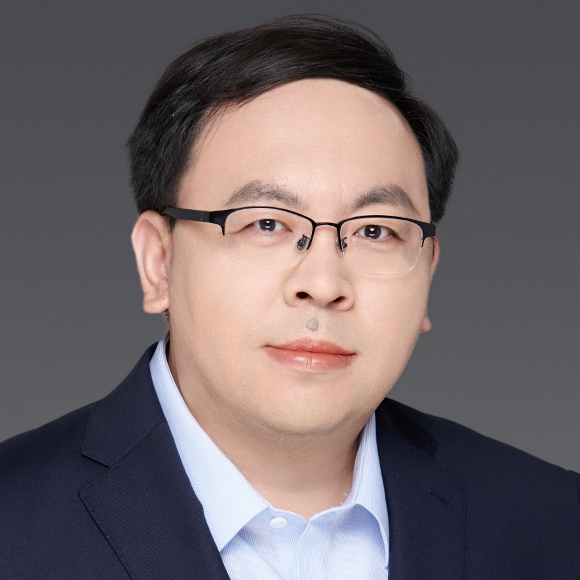
Dong Liu
Founder & CEO of XYZ Embodied AI, Principal Investigator of the Embodied Brain Research Center at BAAILiu Dong, a graduate of the University of Chinese Academy of Sciences, works as a researcher at Beijing Academy of Artificial Intelligence (BAAI) and CEO of XYZ Embodied AI. Incubated by BAAI, XYZ Embodied AI focuses on embodied brain and world model R&D to accelerate the industrial application of cutting-edge AI technologies. During his tenure at BAAI, Liu Dong participated in the development of the RoboBrain series, a general embodied brain that integrates perception, reasoning and planning for real physical environments and has set new records across multiple authoritative embodied intelligence benchmarks. He previously served as General Manager of JD Autonomous Driving, taking full charge of product R&D and commercial operation. He led the development of JD's 6th-generation L4 unmanned delivery vehicles for public roads, upgraded relevant algorithms and reduced vehicle costs to meet the requirements for commercial last-mile delivery. His team realized full-process unmanned delivery covering public roads and indoor floor access, substantially cutting the operating costs of terminal distribution.
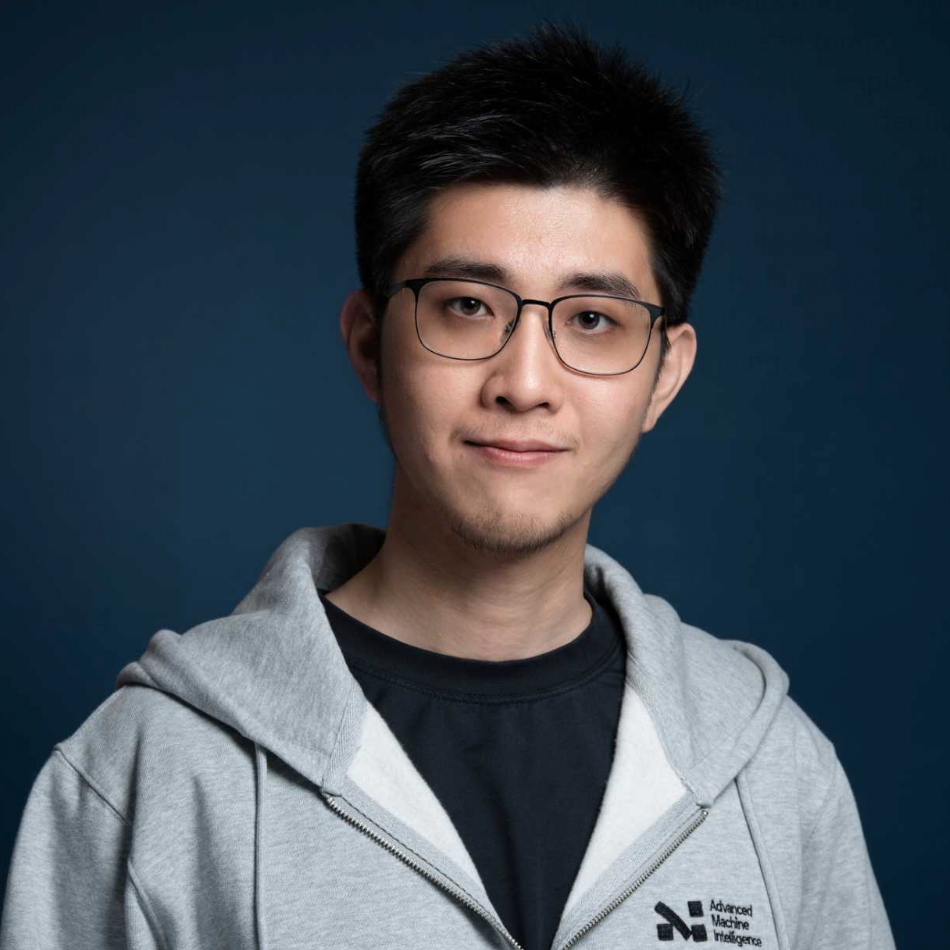
Deloong Chen
PhD Candidate, HKUSTChen Delong is a PhD candidate at the Hong Kong University of Science and Technology (HKUST) , supervised by Prof. Pascale Fung. He served as a Visiting Researcher at Meta FAIR Paris from 2024 to 2025. His research interests include vision-language JEPA and vision-language world modeling.
Yang Liu
Chief Scientist, SkyworkLiu Yang currently serves as Chief Scientist at Skywork. With years of research experience in artificial intelligence and large language models across academia and leading tech companies, his research focuses on world models, LLM alignment and data quality. He has published over 50 papers in top-tier machine learning and AI conferences including NeurIPS, ICML and ICLR. His high-impact AI research has been featured in Nature journals, and he has won multiple Best Paper Awards. He obtained his PhD in Electrical Engineering and Computer Science from the University of Michigan and later completed his postdoctoral research at Harvard University.
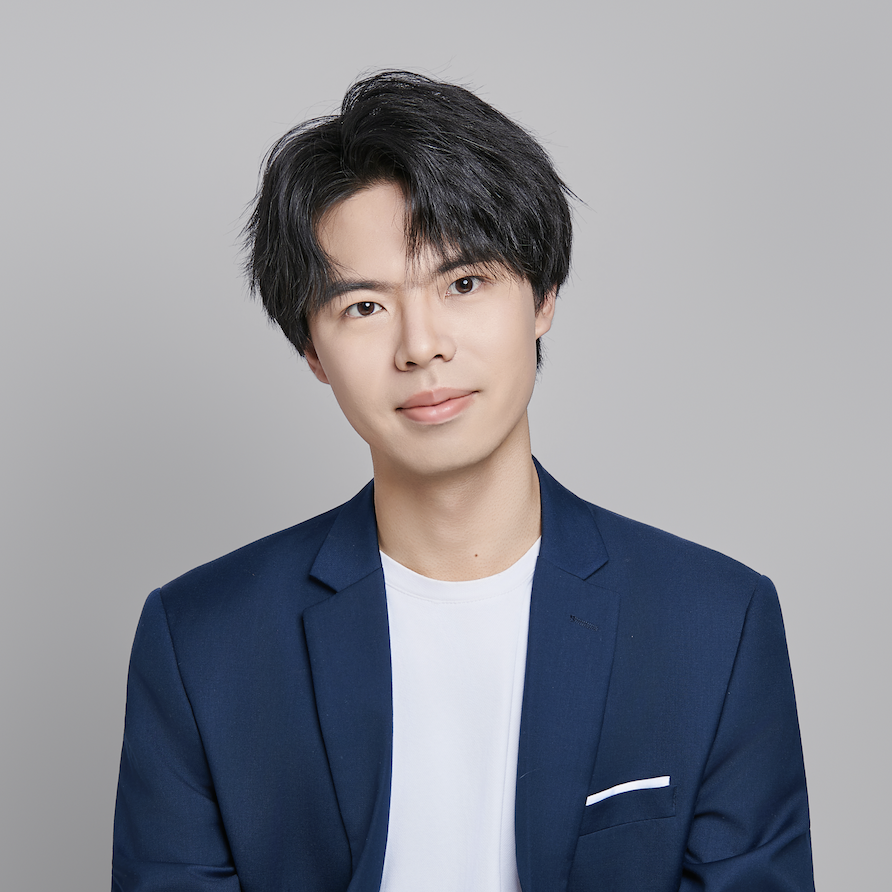
Boyuan Chen
Founder & Chief R&D Officer, IMT ; Director, AI World Model Innovation Center, BAAIChen Boyuan is the Founder and Chief R&D Officer of Inverse Matrix Technology, and Director of the Behavioral World Model Innovation Center at Beijing Academy of Artificial Intelligence (BAAI). His research focuses on reinforcement learning, scalable supervision and world models. He is committed to developing the next-generation general foundational world models for the real physical world. During his undergraduate studies, he earned distinguished academic achievements including the Best Paper Award at ACL 2025, a top-tier international AI conference. As the first author, he has published numerous papers in leading AI conferences such as NeurIPS and ACL, and received honors including oral presentations and spotlight paper selections. His works have accumulated over 2,300 citations on Google Scholar. His open-source projects on GitHub have garnered more than 4,000 stars and been downloaded over 800,000 times by the global community. He was awarded the May Fourth Medal, Peking University's highest student honor, and named Peking University Student of the Year 2025. He has delivered invited talks at the Shuangqing Forum of the National Natural Science Foundation of China, and participated in the closed-door roundtable of the UN Secretary-General's Advisory Board on Scientific and Technological Issues.

Shenyuan Gao
PhD, HKUSTGao Shenyuan, PhD from the Hong Kong University of Science and Technology (HKUST). His representative works include DreamDojo, AdaWorld and Vista. He has published multiple first-author papers at top conferences such as ICML, NeurIPS and CVPR, with over 2,500 citations on Google Scholar. His main research interests lie in building generative world models and their applications in embodied decision-making.
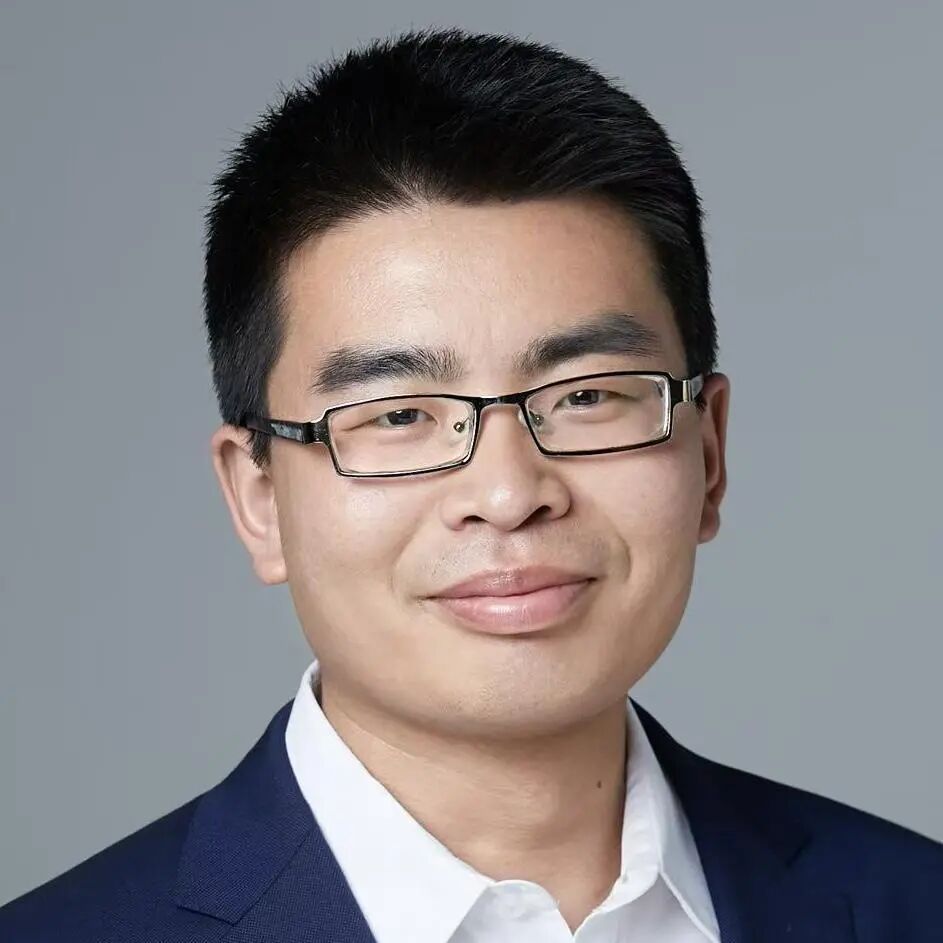
Zheng Zhu
Co-founder & Chief Scientist, Giga AIZhu Zheng is Co-founder and Chief Scientist of Giga AI and a Young Scholar of BAAI. He has led and deeply participated in financing exceeding 3 billion yuan, pushing the company’s valuation above 10 billion yuan. He has published more than 70 papers in top journals and conferences including TPAMI, CVPR, ICCV, ECCV and NeurIPS, with over 20,000 Google Scholar citations, and has been named among the World's Top 2% Scientists for four consecutive years. His honors include the First Prize of the 2025 Wu Wenjun Artificial Intelligence Natural Science Award, PRCV 2025 Best Student Paper Award, CCF Distinguished Paper Award, ModelScope Embodied Intelligence Pioneer and Southern Weekend Annual Tech Innovation Figure. One of his papers has been cited over 3,600 times, and many representative works have earned more than 1,000 citations each, generating significant industry impact. His GigaBrain and GigaWorld series achieved first place on the leaderboards of RoboChallenge, WorldArena and RoboCasa365. He has won championships in leading vision competitions such as NIST-FRVT, COCO and VOT, organized multiple workshops and competitions at CVPR and ICCV, and served as Area Chair for ICLR, NeurIPS and AAAI.
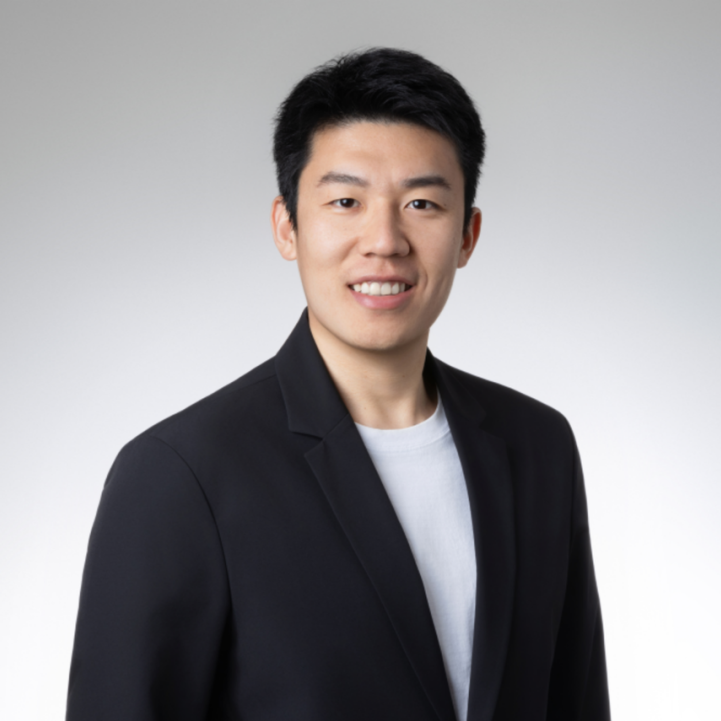
Yujun Shen
Chief Scientist, RobbyantShen Yujun currently serves as Chief Scientist at Robbyant and leads the Interactive Intelligence Lab of Ant Research Institute. He received his PhD from The Chinese University of Hong Kong. His research interests cover computer vision, generative models, spatial intelligence and embodied intelligence. He has published over 100 papers in top international conferences and journals including CVPR, TPAMI, ICCV, ECCV and NeurIPS, with more than 10,000 citations on Google Scholar. Appointed Chief Scientist of Robbyant in 2024, he is committed to advancing the industrial implementation of computer vision in robotics. He leads the team to build a comprehensive technical system spanning spatial perception, intelligent decision-making, foundational capabilities and world modeling, and promotes the large-scale application of embodied intelligence from laboratory research to real-world deployment.
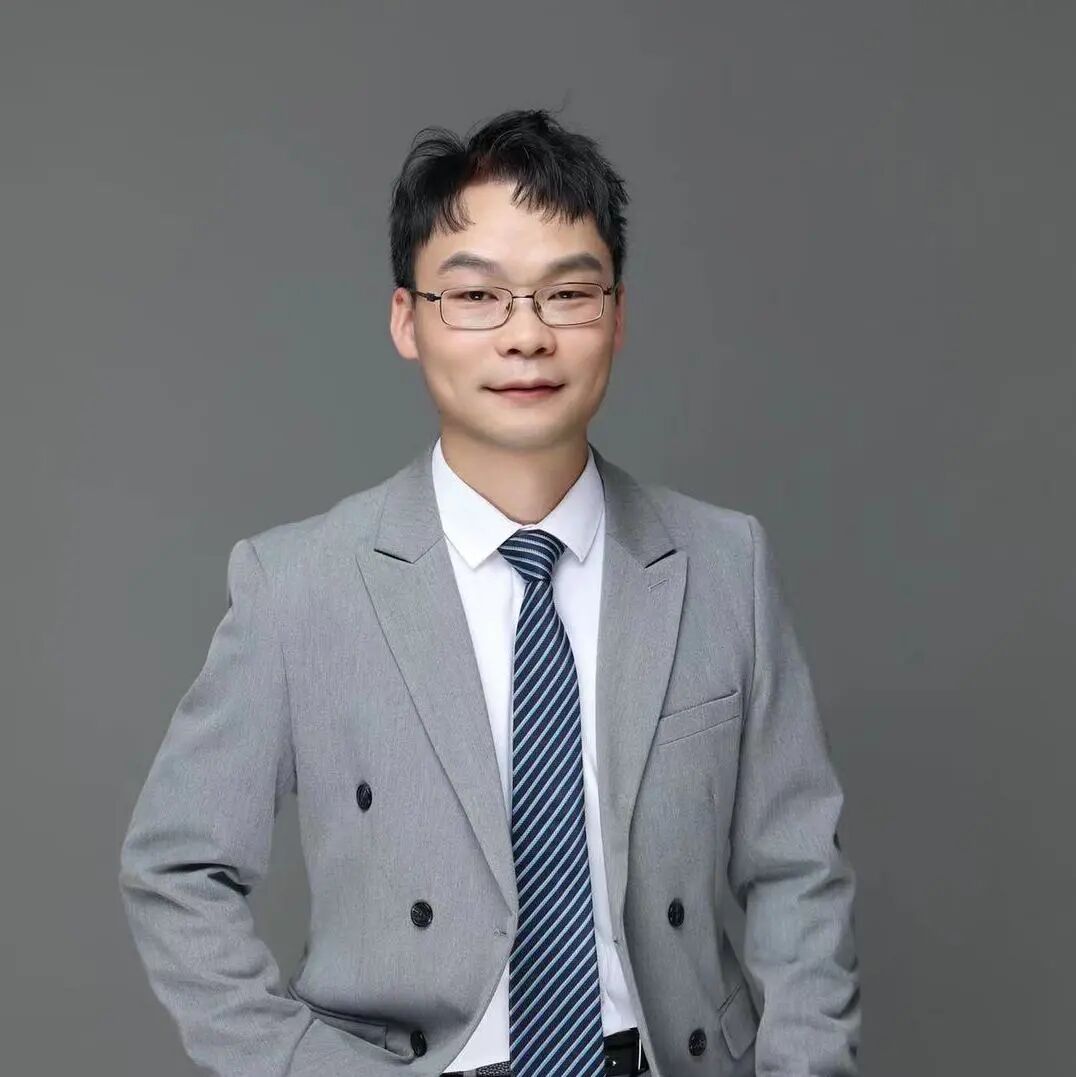
Hao Wang
Co-founder & CTO , X Square RobotWang Hao is Co-founder and CTO of X Square Robot. He earned his PhD in Computational Physics from Peking University. Previously, he served as Algorithm Lead of the Large Language Model team at IDEA Research Institute, where he led the release of multiple influential large language models. He has published numerous papers in top-tier conferences and core journals and holds a number of authorized patents. As one of China's earliest pioneers exploring end-to-end embodied foundation large models, he co-founded Independent Variable Robotics in 2023 to extend the capabilities of large models into the physical world. He now leads the team in developing general robotic systems powered by end-to-end large models, focusing on addressing the challenges of universality and generalization for embodied large models. His long-term goal is to build general-purpose robots for household scenarios.
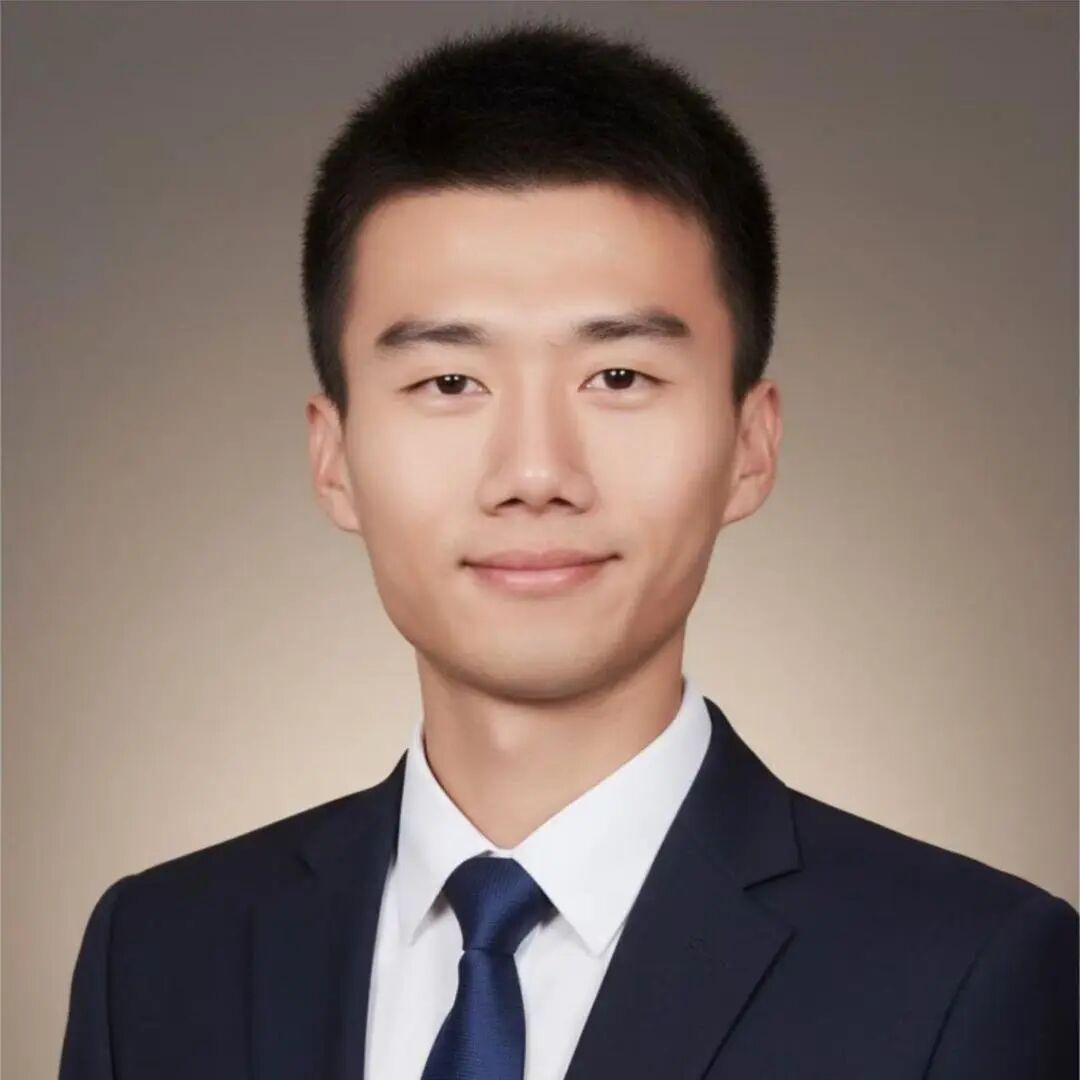
Chunchao Guo
Lead, Tencent HY 3D & World ModelsGuo Chunchao is Expert Researcher at Tencent and Lead of HY 3D Generation and World Models. He has claimed 20 championships in prestigious international tech competitions and won the Excellent Paper Award at the National Conference on Image and Graphics during his PhD studies. He leads the team to develop the Hunyuan 3D series models, which are applied in gaming, mapping, social networking and other fields. His team also built Hunyuan World, the first open-source 3D world model, which has drawn widespread industry attention. The open-source Hunyuan 3D and Hunyuan World series have amassed over 30,000 GitHub stars and more than 4 million downloads, driving advances in 3D generation and 3D world model research.
Zhenguo Sun
Co-founder, XYZ Embodied AI & Head of Embodied Interactive World Model Lab, BAAISun Zhenguo is Co-founder of XYZ Embodied AI, Head of the Embodied Interactive World Model Lab at BAAI, and Deputy Director of the Beijing Key Laboratory of Embodied Interactive World Models. He earned his PhD from Technical University of Munich, under the supervision of Prof. Alois Christian Knoll, Member of the German National Academy of Engineering and a leading scholar in robotics. His research mainly focuses on long-range locomotion operating systems for humanoid robots, including scene-oriented on-device world models, embodied multimodal perception and fusion, as well as dexterous manipulation and whole-body motion control of humanoid robots.

Zhiwei Yu
Research , BAAIYu Zhiwei, Research at BAAI. Her research centers on long-term interaction, continual learning and autonomous adaptation of models within dynamically evolving environments, with a commitment to exploring next-generation intelligent systems for open worlds. Her research interests span world models, embodied intelligence and knowledge computing, with a particular focus on core issues including environmental modeling, long-horizon reasoning and continual decision-making.

Jianfeng Feng
Dean, ISTBI & School of Data Science, Fudan UniversityFeng Jianfeng, a recipient of China’s High-End Foreign Expert Program and Yangtze River Scholar as well as Haoqing Professor at Fudan University, currently serves as Dean of the Institute of Science and Technology for Brain-Inspired Intelligence and the School of Data Science at Fudan University, Chief Professor at the Shanghai Center for Mathematical Sciences, and Professor of Computer Science at the University of Warwick, UK. He has long committed to interdisciplinary research spanning mathematics, brain science and computer science to facilitate the advancement of computational brain science and its applications. His major research achievements include: in psychiatric research, he proposed and clinically validated the neural mechanism of reward-punishment circuit imbalance for depression and verified the linguistic-origin hypothesis of schizophrenia through big data analytics; in computational neuroscience, he built the world’s first digital whole-brain twin model alongside the mathematical framework of moment neural networks; in artificial intelligence, he pioneered various original neural network architectures and algorithms. He has published more than 500 academic papers, many as corresponding author in top journals such as *Cell*, *Science*, Nature portfolio journals, Science family journals, Lancet sub-journals, JAMA sub-journals, IEEE TPAMI and PRL. As the first Chinese author with accepted papers at NeurIPS, he was awarded the Royal Society Wolfson Research Merit Award in 2011 (the first Chinese recipient), delivered the annual Paykel Lecture at the University of Cambridge in 2019 as the first Chinese speaker over the past three decades, and received the Humboldt Research Award in 2023.

Shan Yu
Director and Researcher, Laboratory of Brain Mapping and Brain-Inspired Intelligence, Institute of Automation, Chinese Academy of SciencesYu Shan, a Researcher and Director of the Laboratory of Brain Mapping and Brain-Inspired Intelligence at the Institute of Automation, Chinese Academy of Sciences. His research interests cover information processing mechanisms of brain networks, brain-inspired AI models and algorithms, as well as next-generation implantable brain-computer interface systems. He has published over 80 papers in neuroscience and artificial intelligence journals and conferences including *Nature Machine Intelligence*, *Nature Computational Science*, *Nature Communications*, PNAS, *Journal of Neuroscience*, AAAI, CVPR, NeurIPS and ICML. His research projects have been funded by the National Natural Science Foundation of China, Key R&D Program of the Ministry of Science and Technology, Strategic Priority Research Program of CAS, and the Major Project of Science and Technology Innovation 2030. He serves as Supervisor-General of the Chinese Society for Cognitive Science, Vice President of Beijing Society for Brain Network and Brain-Inspired Intelligence, and editorial board member of journals such as Neuroelectronics and CSIAM Transactions.
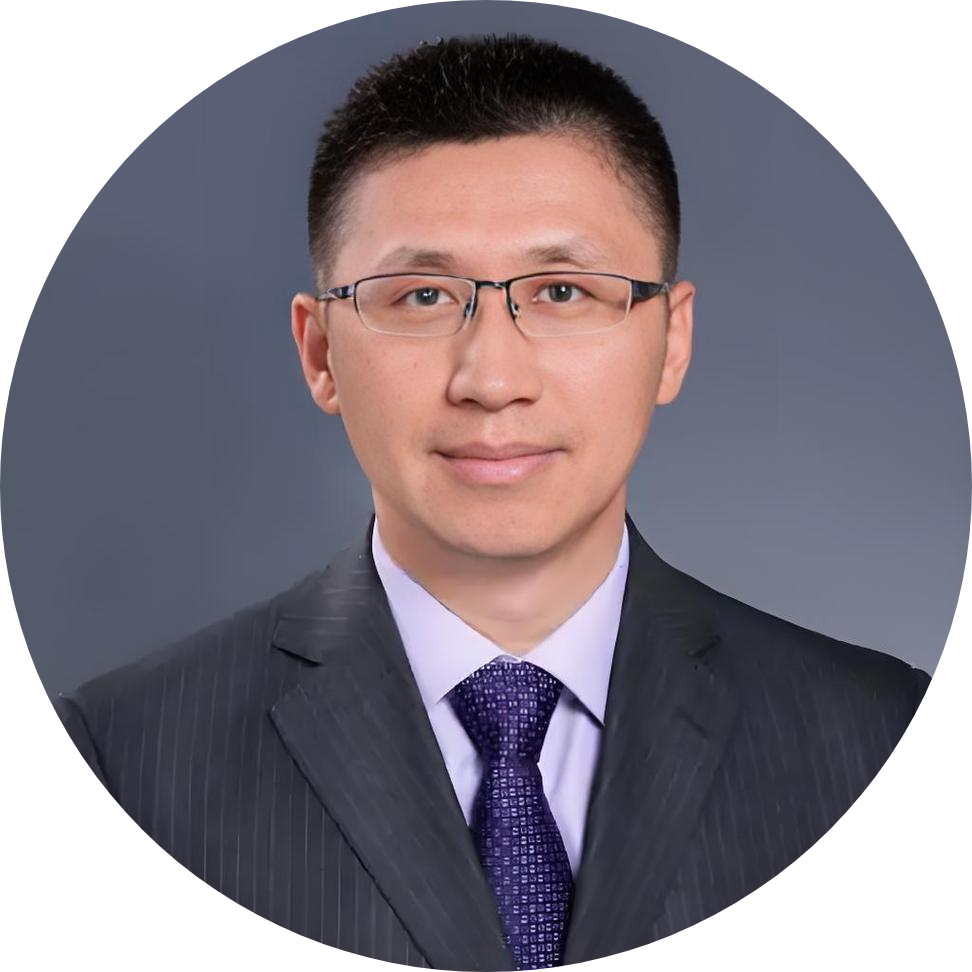
Mingguo Zhao
Researcher, Tsinghua University; Director, Robot Control LaboratoryZhao Mingguo, Researcher of the Department of Automation, Tsinghua University; Director of Robot Control Laboratory; Director of Brain-Inspired Robotics Center, Tsinghua Unmanned System Center.He has published more than 100 academic papers and been granted over 10 national invention patents. In the field of humanoid robotics, he put forward methods including virtual slope walking, generalized model predictive control and whole-body control with transition based on task priority. His research outcomes have been applied to robotic soccer, earning multiple second prizes in the humanoid division and technical challenge of RoboCup. In brain-inspired computing, he built an intelligent self-driving bicycle with brain-inspired technologies. Relevant research was published on the cover of Nature, selected as one of China’s Top 10 Scientific Advances in 2019, and funded by the Major Project of the Science and Technology Innovation 2030 Program.
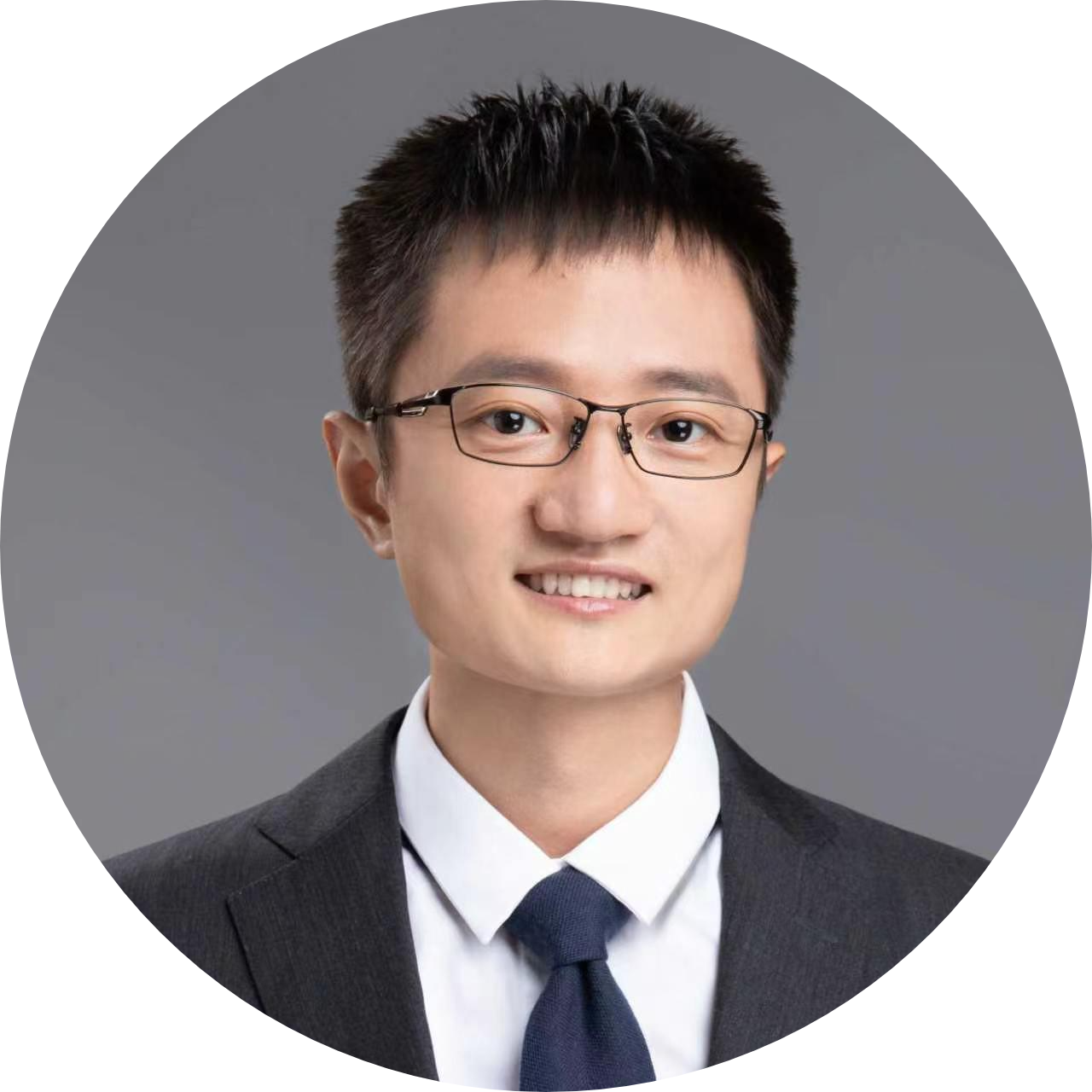
Zhouhan Lin
Full-time Mentor at Shanghai Innovation School; Associate Professor at Shanghai Jiao Tong University School of AI; Dual-appointed Scientist at Shanghai AI LaboratoryLin Zhouhan, Associate Professor, School of Artificial Intelligence, Shanghai Jiao Tong University; Joint Research Scientist, Shanghai AI Laboratory; Deputy Director, John Hopcroft Center for Computer Science; National Leading Talent.His research focuses on self-supervised learning, foundational architecture and pre-training algorithms of large language models. He earned his Ph.D. in Computer Science from Mila, Université de Montréal in 2019 under the supervision of Yoshua Bengio, Turing Award laureate and founding father of deep learning. During his doctoral studies, he completed research internships at Google AI, IBM Watson and Microsoft Research, and previously worked as a visiting scientist at Facebook AI Research (FAIR). His representative works include Memory Decoder, FlowRL and the prototype of self-attention, with over 12,000 citations on Google Scholar to date. He serves as Area Chair for top conferences including ICLR, ICML, NeurIPS, ACL, EMNLP and AAAI.
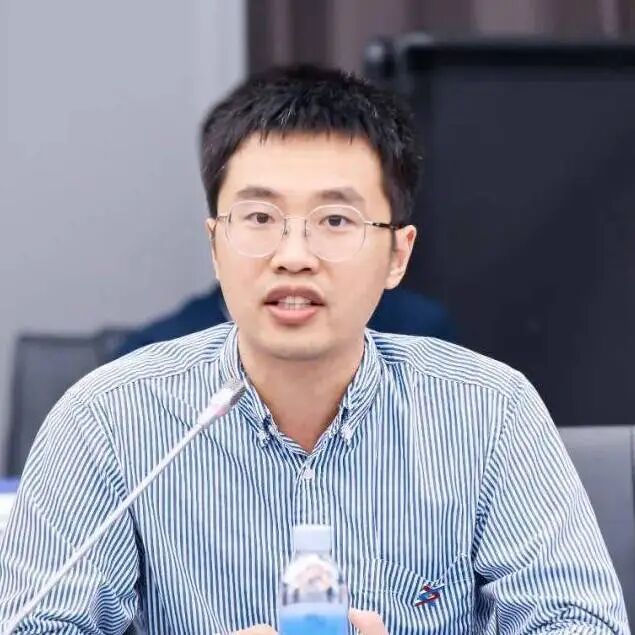
Shi Gu
Tenured Associate Professor, Zhejiang UniversityGu Shi, Tenured Associate Professor, College of Computer Science and Technology & State Key Laboratory of Brain-Machine Intelligence, Zhejiang University, Doctoral Supervisor, National Distinguished Young Scholar (2017), and honoree of Forbes China 30 Under 30 List. He holds a Ph.D. in Applied Mathematics and Computational Science from the University of Pennsylvania and a Bachelor’s degree in Mathematical Basic Science from Tsinghua University. His research centers on brain-inspired intelligence and brain networks. He has published papers in internationally renowned journals and conferences including Nature Communications, Science Advances, PNAS, NeurIPS, ICML and ICLR, and serves as Area Chair for conferences such as ICML and NeurIPS.
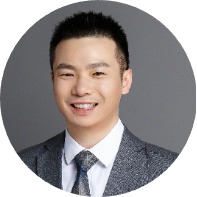
Lei Deng
Associate Professor, Tsinghua UniversityDeng Lei, Huayu Endowed Associate Professor and Doctoral Supervisor, Tsinghua University; Deputy Director, Institute of Instrument Science and Technology; National High-level Young Talent; Senior Member of IEEE.He has been engaged in research on brain-inspired intelligent chips and relevant algorithms for over a decade. He has published more than 100 papers in journals including Nature and Nature Communications, with over 13,000 citations on Google Scholar and more than 30 authorized patents. He serves as Associate Editor of Frontiers in Neuroscience, Committee Member of Brain-Machine Integration Committee of Chinese Association for Artificial Intelligence and Computational Neuroengineering Committee of Chinese Society for Cognitive Science, as well as Session Chair and Program Committee Member for multiple international conferences.He has received numerous honors including Top 0.05% Global Scientists listed by ScholarGPS, Young Scientist Award of the Ministry of Education, Beijing Brain Initiative Young Scholar, Wu Wenjun Excellent Young AI Award, MIT TR35 China and Tsinghua University Outstanding Young Researcher Award. His landmark achievements were honored in China’s Top 10 Scientific Advances, First Prize of Beijing Natural Science Award, First Prize in Natural Science of Chinese Association of Automation and First Prize of Technological Invention Award from China Computer Federation.
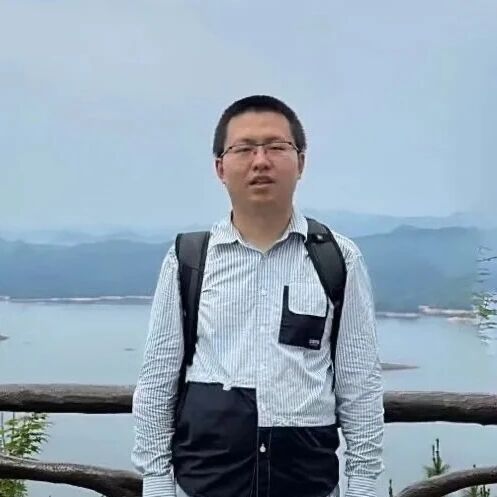
Zhaofei Yu
Researcher, Institute for Artificial Intelligence, Peking UniversityYu Zhaofei, Researcher and Doctoral Supervisor, Institute for Artificial Intelligence, Peking University; Boya Young Scholar of Peking University; Recipient of National Excellent Young Scientists Fund.His main research covers brain-inspired computing and neuromorphic computing. He serves as Deputy Director of Beijing Key Laboratory for Spiking Large-scale Brain-inspired Models and Secretary-General of Brain-inspired Vision Committee, China Society for Image and Graphics. He has published more than 80 papers in top journals including Nature Biomedical Engineering, Nature Communications, Science Advances, IEEE Transactions and leading conferences such as NeurIPS, ICML and CVPR. He presides over Young Scientist Project (Category A) of National Major Project on Brain Science and Brain-inspired Intelligence, Joint Key Program of National Natural Science Foundation of China and Beijing Nova Program. He acts as Area Chair for ICML, NeurIPS and ICLR, and was awarded the First Prize in Natural Science from Chinese Association of Automation.
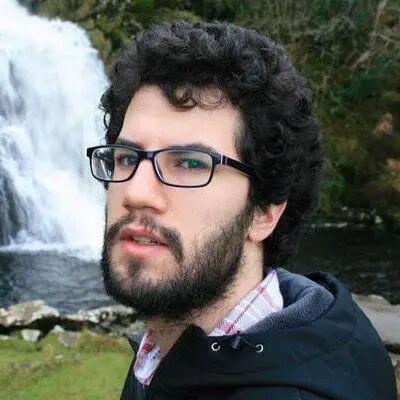
Yann Sweeney
Springer Nature Senior EditorYann completed a PhD in computational neuroscience at the University of Edinburgh, investigating learning rules for spiking neural networks. After a postdoc at Imperial College London he joined the launch team for Nature Machine Intelligence. He joined Nature in 2023, where he handles submissions in AI, robotics and computing.

Meiyuan Wang
河南省人民医院副院长、医学影像研究所所长Wang Meiyun, Vice President of Henan Provincial People's Hospital and Director of the Institute of Medical Imaging, is a Chief Physician, Grade 2 Professor and Doctoral Supervisor. She is the recipient of National Outstanding Physician honor, selected into the National Ten-Thousand Talents Program and awarded Zhongyuan Scholar title. She serves as Standing Committee Member and Leader of Magnetic Resonance Subgroup of Chinese Society of Radiology under Chinese Medical Association, Chairman of Henan Provincial Radiology Society, Fellow of American Institute for Medical and Biological Engineering (AIMBE), Fellow of International Society for Magnetic Resonance in Medicine (ISMRM), Visiting Professor of Yale University in the United States, Honorary Member of French Society of Radiology, and Chairman of Minimally Invasive and Non-invasive Diagnosis and Treatment Committee of Chinese Research Hospital Association.
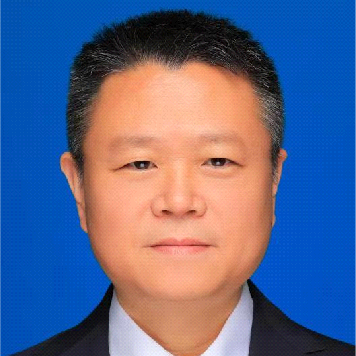
Tianli Zhao
Deputy Director, Hunan Cardio Institute; Director, Hunan Digital Heart Center & Cardiac Surgery, Second Xiangya Hospital, CSUZhao Tianli, Professor, Chief Physician, holder of a Doctorate in Surgery and a Postdoctoral Fellowship in Medical Biology, and a Visiting Scholar at The Hospital for Sick Children (SickKids) affiliated with the University of Toronto, Canada. Currently serving as Deputy Director of Hunan Institute of Cardiovascular Diseases, Director of Hunan Engineering Research Center for Digital Heart, Director of the Teaching and Research Section of Cardiovascular Surgery and Director of Congenital Heart Disease Surgery at the Second Xiangya Hospital of Central South University, he is an expert of the National Quality Control Center for Cardiovascular Diseases, Committee Member of the National Minimally Invasive Cardiovascular Surgery Committee, International Member of the Society of Thoracic Surgeons (STS), Member of the European Association for Cardio-Thoracic Surgery (EACTS), Member of the Asian Association for Pediatric Cardiac Surgery (AAPCS), Committee Member of the Chinese Branch of Asian Heart Valve Society, Vice Chairman of Thoracic and Cardiovascular Surgery Committee of Hunan Medical Association and Member of the First Hunan Provincial Technical Committee for Data Standardization, as well as an Editorial Board Member of Chinese Journal of Cardiovascular Research. His research focuses on surgical and interventional therapies for structural heart diseases, with particular expertise in surgical and interventional management of congenital heart defects, valvular heart disease and heart failure. He has long dedicated himself to theoretical research, system construction, technical standard formulation and clinical translation of radiation-free cardiovascular interventional procedures. He has performed nearly 10,000 cardiovascular operations including arterial switch, Ross procedure, valve repair and artificial heart implantation, with an overall surgical success rate exceeding 98% and perioperative mortality below 1%. He has pioneered and optimized more than ten novel clinical techniques, substantially improving operative survival and long-term prognosis of complex and critical cardiovascular disorders. He established the world’s first full-approach ultrasound-guided cardiac interventional system, whose relevant specifications have been incorporated into international standards and selected as a global demonstration project under the United Nations Sustainable Development Goals. As first or corresponding author, he has published over 60 research papers, more than 40 of which are indexed in authoritative SCI journals including Annals of Thoracic Surgery, Journal of Thoracic and Cardiovascular Surgery, European Journal of Cardio-Thoracic Surgery and EuroIntervention. He has participated in drafting four clinical guidelines and consensus statements and compiled three academic monographs; as a core contributor, he has taken part in developing one international standard and one national standard respectively. He has presided over a total of 15 research projects such as programs sponsored by the National Natural Science Foundation of China, National Key Science and Technology Projects and key provincial research and development programs, obtained 15 authorized patents including four invention patents (two international patents), with a total of one million RMB in achievement transformation revenue. His innovative surgical techniques have been awarded one First Prize of Chinese Medical Science and Technology Award, one First Prize of Hunan Provincial Medical Science and Technology Achievement Award, two Second Prizes of Hunan Provincial Science and Technology Progress Award and two Second Prizes of New Medical Technology Achievement Award of Central South University, and his achievements were listed among Top Ten Scientific and Technological News of Hunan Province in 2016 and 2024.
Yongjian Wu
Fuwai Hospital, Chinese Academy of Medical Sciences; Director of the Coronary Heart Disease CenterWu Yongjian, Chief Physician and Director of Coronary Heart Disease Center, Fuwai Hospital, Chinese Academy of Medical Sciences; Tenured Professor and Doctoral Supervisor, Peking Union Medical College. He serves as Standing Committee Member and Leader of Interventional Cardiology Group of Cardiovascular Branch under Chinese Medical Association, Vice Chairman of Beijing Cardiovascular Society, President of Cardiac Intervention and Rehabilitation Branch of Chinese Association of Rehabilitation Medicine, FACC, FESC, FSCAI and International Director of GIS. His clinical and research focus covers coronary artery disease and elderly valvular heart disease, and he is currently developing disease-specific large language models to improve in-hospital treatment and long-term out-of-hospital patient management. He has published over 300 papers in journals including EHJ and JACC, and won First Prize of Beijing Science and Technology Progress Award, First Prize of Ministry of Education Science and Technology Progress Award and Second Prize of Chinese Medical Science and Technology Award.
Linfeng Li
Vice President of Technological Innovation and AI Architect at YiduTechLi Linfeng , Ph.D., Vice President of Technological Innovation and AI Architect of Yidu Tech. He serves as Industry Supervisor for Master of Engineering programs at Tsinghua University, Executive Director of the Traditional Chinese Medicine Health Big Data Branch of China Association of Traditional Chinese Medicine Information, and Member of the Special Committee for Healthcare and Bioinformatics Processing of Chinese Information Processing Society.He once served as Algorithm Director of Baidu Medical Brain. His research focuses on medical big data mining and innovative artificial intelligence applications, including medical knowledge graphs, predictive models, large model technologies, and clinical decision support systems based on trustworthy AI. He has published more than ten papers in the field of medical artificial intelligence and holds over 40 patents. He has won the First Prize of Beijing Science and Technology Progress Award and the National Patent Award, and participated in a number of national and provincial research projects. He possesses extensive experience in clinical data mining and innovative AI application, and has established in-depth cooperation with many Grade A tertiary hospitals with numerous achievement awards.
Wang Jing
Deputy Dean of Research Institute, iFLYTEK Medical Technology Co., Ltd.Wang Jing currently serves as Vice President of the Xunfei(iFLYTEK) Healthcare Research Institute and a Senior Engineer. She has long been engaged in research on medical cognitive reasoning, large language models, and related technologies. She leads teams in advancing the deep integration and applied development of artificial intelligence in the healthcare sector, driving large-scale implementations of multiple smart healthcare systems.She has published more than 10 academic papers and filed over 40 patents. As a key contributor, she has participated in more than 10 major scientific research projects, including significant initiatives under the Ministry of Science and Technology and the National Key Research and Development Program of China. In addition, Wang Jing holds several academic and advisory appointments, including Expert Committee Member of the Innovation Think Tank at the People’s Medical Publishing House Institute, Expert Committee Member in Big Data and Internet Artificial Intelligence, Committee Member of the Key Laboratory of Knowledge Mining and Service for Medical Journals, and Representative Member of the Working Group under the Artificial Intelligence Standardization Technical Committee of the Ministry of Industry and Information Technology.
Chao Yang
Deputy Director, Center for Digital and Intelligent Medical Innovation, Peking University First Hospital; Research Fellow, Department of NephrologyYang Chao, Deputy Director of the Center for Digital and Intelligent Medical Innovation and Research Fellow of the Department of Nephrology, Peking University First Hospital, holds a Master’s degree in Epidemiology and Health Statistics and a Doctoral degree in Internal Medicine and devotes himself to epidemiological studies and health data science of chronic diseases; he concurrently acts as Deputy Secretary-General of the Nephropathy Prevention and Control Committee of the Chinese Preventive Medicine Association, Standing Committee Member of the Health and Medical Big Data Application Management Committee of the Chinese Hospital Association, Committee Member of the Chronic Disease Prevention and Management Committee of China Health Information and Healthcare Big Data Society and Associate Editor of Chinese General Practice, has been selected for the Beijing Nova Program and the Young Elite Scientists Sponsorship Program by CAST, presided over nine vertical research projects including National Natural Science Foundation of China programs, won the Second Prize of Beijing Science and Technology Progress Award as the second completer, published over 40 academic papers as first or corresponding author and participated in compiling more than 10 academic monographs.
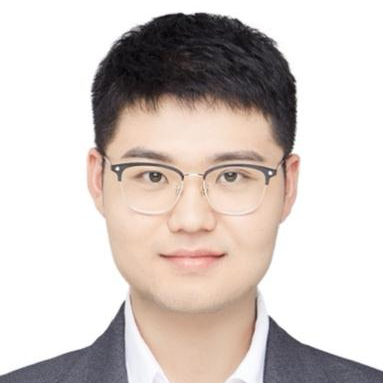
Shenda Hong
Assistant Professor, National Institute of Health Data Science at Peking University; Assistant to the Dean, Institute of Artificial Intelligence, Peking UniversityHong Shenda is an Assistant Professor (tenure-track) at National Institute of Health Data Science, and Institute for Artificial Intelligence, Peking University. His research interests focus on AI for Digital Health, including electronic health records and biosignals (e.g., ECG, PPG, EEG, PSG, PCG, FHR, Spirogram), enhancing smart devices with AI, and developing applications and validations for clinical practice. He has led several research projects, including National Natural Science Foundation of China (NSFC), the CCF-Zhipu Large Model Innovation Fund, and the CCF-Tencent Rhino-Bird Fund. He has published over 80 papers in AI-Medicine journals such as NEJM AI, The Lancet Digital Health, npj Digital Medicine, and Cell Patterns, as well as at AI conferences including ICLR, ICML, and NeurIPS. Additionally, he serves as an associate editor of npj Digital Medicine, SPJ Health Data Science, and as a reviewer for top-tier AI conferences, including ICLR, NeurIPS, ICML, KDD.
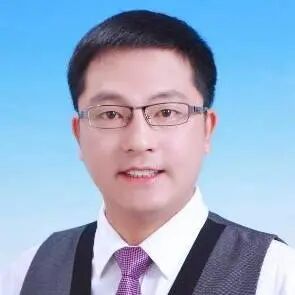
Cheng Jin
Associate Professor and Doctoral Supervisor, Shanghai Jiao Tong UniversityJin Cheng, Associate Professor and Doctoral Supervisor at Shanghai Jiao Tong University, is a recipient of the National High-End Overseas Talent Program and Shanghai Leading Talent. He previously served as Postdoctoral Fellow and Senior Research Scientist at Stanford University HAI and currently works as a member of the Generative AI Working Group under the US National AI Advisory Committee. His research focuses on multimodal data fusion and clinically applicable AI-assisted diagnosis and treatment systems, and he has published over 60 papers in top-tier international journals including 16 articles in CNS-series journals such as Nat. Med., Nat. Mach. Intell., Nat. Biomed. Eng., Nat. Comput. Sci. and Sci. Transl. Med., clinical journals including Eur. Heart J. and Cancer Discov., as well as engineering journals including IEEE TPAMI and IEEE TIP, with multiple research outcomes translated into practical clinical applications. In 2024, he released PsychGPT, the world’s first specialized large model tailored for clinical psychiatrists; from 2022 to 2025, he guided students to win the Gold Award and Third Prize at the China International College Students’ Innovation Competition for four consecutive years and was four times honored as Outstanding Instructor for College Students’ Innovation and Entrepreneurship by the Ministry of Education, and he also leads the development of the world’s first AI-native portable low-field MRI system that fills key technical gaps in the field.
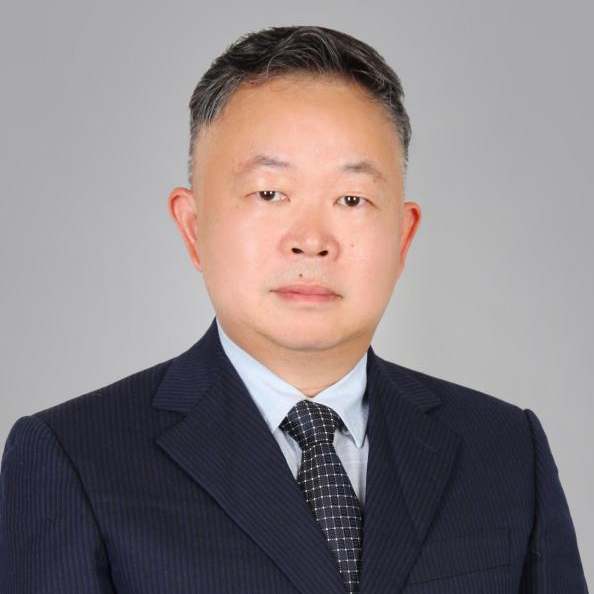
Jianghui Xiong
Chief Scientist, Beijing DeepMethyl Health Technology Co., Ltd.; Deputy Laboratory Director, Southern Institute of Space Technology, ShenzhenXiong Jianghui holds a Doctor of Engineering in Computer Science and Technology, a Master of Medicine, and a Bachelor of Science in Biology. Previously, he served as Deputy Director of the State Key Laboratory of Space Medicine Fundamentals and Application at China Astronaut Research and Training Center, Principal Investigator (PI) for Astronaut Health Maintenance Theory and Technology, and person-in-charge of the space medicine data platform. He is an awardee of the ministerial-level Double-Hundred Talent Program. Currently, he works as Director of the Medical and Health Department and Deputy Director of Shenzhen Engineering Research Center for Human Biorhythm and Sleep Medicine at Southern Institute of Space Technology in Shenzhen, as well as a doctoral supervisor for postdoctoral researchers. He also holds adjunct professorships at Shenzhen Research Institute of the Chinese University of Hong Kong and Institute of New Drug Technology, Ningbo University, and presently serves as Chief Scientist of DeepoMe. In academic societies, he acts as Standing Director of the Network Pharmacology Committee of World Federation of Chinese Medicine Societies, and Committee Member of the Space Life Science Committee of Chinese Society of Space Research, Network Pharmacology Committee of Chinese Pharmacological Society, and Tumor Microbiome Expert Group under the Committee for Tumor Nutrition of Chinese Anti-Cancer Association. Additionally, he is a peer review expert for projects of the National Natural Science Foundation of China. He has presided over multiple key research projects including the development of an astronaut early health warning system under the National Key Scientific Instrument and Equipment Development Program of MOST, projects under the National Major New Drug Discovery Program, and incubation projects supported by the Major Research Plan of the National Natural Science Foundation of China.
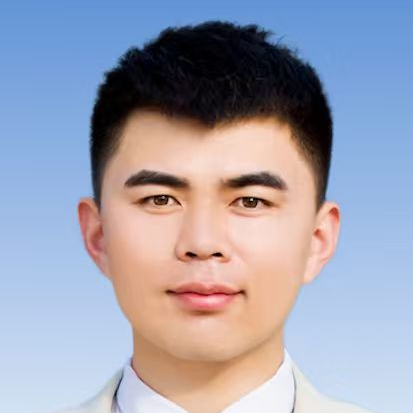
Zhongyi Han
Professor,Shandong UniversityHan Zhongyi , Ph.D., is a Professor and Ph.D. Supervisor at the School of Software, Shandong University. He also serves as Director of the Xintong Electronics Research Institute. He is a Qilu Young Scholar, a recipient of the Shandong Provincial Excellent Young Scientists Fund Program (Overseas), and the leader of a Shandong Provincial Youth Innovation Team. His research interests include machine learning, foundation models, Agentic AI, AI for Science, and medical image processing. To date, he has published more than 50 papers in leading journals and conferences, including TPAMI, IJCV, TIP, TKDE, MLJ, TMI, MedIA, NeurIPS, CVPR, AAAI, IJCAI, and IPMI. He has been granted 6 invention patents. Two of his papers have been selected as ESI Highly Cited Papers, and his Google Scholar citations have exceeded 3,000. He has long served as a reviewer or senior program committee member for top international journals such as TPAMI, IJCV, TIP, and TNNLS, as well as leading AI conferences including ICML, NeurIPS, ICLR, CVPR, ICCV, and ECCV. He received the Second Prize of the Qingdao Science and Technology Progress Award in 2023, the 2025 Doctoral Dissertation Incentive Program Award from the CCF Technical Committee on Artificial Intelligence and Pattern Recognition, and the Shandong Provincial Excellent Doctoral Dissertation Award in 2024. He currently serves as Deputy Secretary-General of the Shandong Artificial Intelligence Society, Secretary-General of the Young Scientists Committee of the Shandong Artificial Intelligence Society, and a committee member of the Machine Learning Technical Committee of the Chinese Association for Artificial Intelligence.
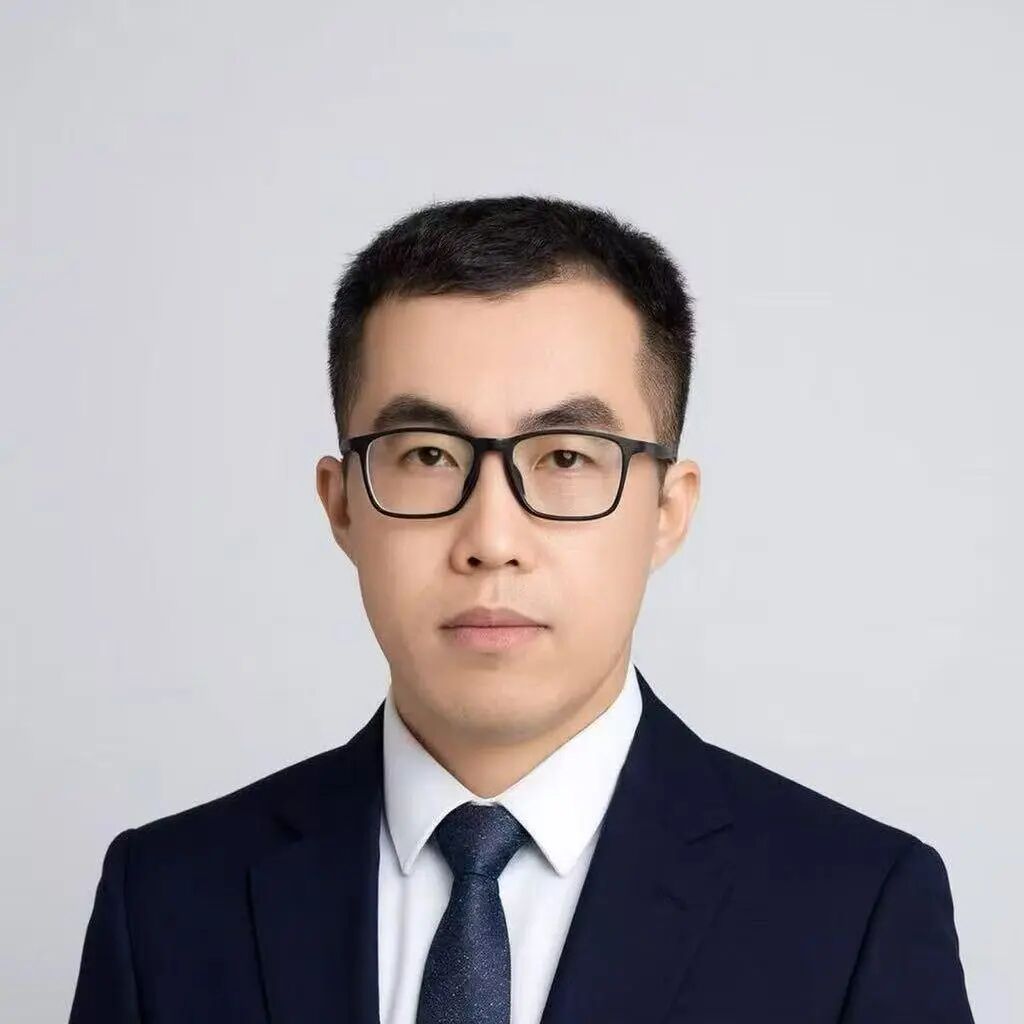
Jieyun Bai
Adjunct Prof., First Affiliated Hospital, Jinan Univ.; Assoc. Prof., College of Info Sci. & Tech., Jinan Univ.; Chief Scientist(Med AI), Lianyin Medical, GuangzhouBai Jieyun is currently an Associate Professor at the College of Information Science and Technology, Jinan University, a Joint Professor at The First Affiliated Hospital of Jinan University, and Chief Scientist of Medical Artificial Intelligence at Guangzhou Lianyin Medical Technology Co., Ltd. He received his Doctor of Engineering degree in Computer Applied Technology from Harbin Institute of Technology in 2017 under the supervision of Professors Kuanquan Wang and Henggui Zhang, and conducted postdoctoral research at the Institute of Biomedical Engineering, University of Auckland, New Zealand, in 2018, hosted by Professor Jichao Zhao, President of MICCAI 2027. His research interests cover computer-aided medicine, digital twins, medical image processing, computational biology, and biological system modeling and simulation; to date, he has published over 60 academic papers in top-tier international journals including Medical Image Analysis (MedIA), IEEE Transactions on Medical Imaging (IEEE-TMI), IEEE Journal of Biomedical and Health Informatics (IEEE-JBHI), and PLOS Computational Biology, authored 3 monographs, and participated in the development of 4 registered medical devices, while leading or participating in more than 20 research projects such as the National Key R&D Program of China, the National Natural Science Foundation of China, and provincial key R&D and general projects. He also holds numerous academic service roles, including Guest Associate Editor & Media Editor for IEEE Transactions on Biomedical Engineering (IEEE-TBME), Guest Associate Editor for IEEE Journal of Biomedical and Health Informatics (IEEE-JBHI), Chair of the MICCAI/IEEE ISBI 2023–2026 Ultrasound Challenges, Area Chair for MICCAI Challenge 2026, Area Chair for IEEE BIBM, Area Chair for IEEE ICASSP, Associate Editor for IEEE EMBC, Committee Member of MICS, Committee Member of the CSIG Technical Committee on Medical Imaging, Committee Member of the Biomedical Measurement Branch of the Chinese Society of Biomedical Engineering, Standing Committee Member of the Intelligent Healthcare Committee of the Chinese Institute of Electronics, and Executive Committee Member of the CCF Digital Medicine Society, and is the recipient of honors including the “Top Ten Talents” Nomination Award from Harbin Institute of Technology and the First Prize in Innovation from the Ministry of Industry and Information Technology of China.
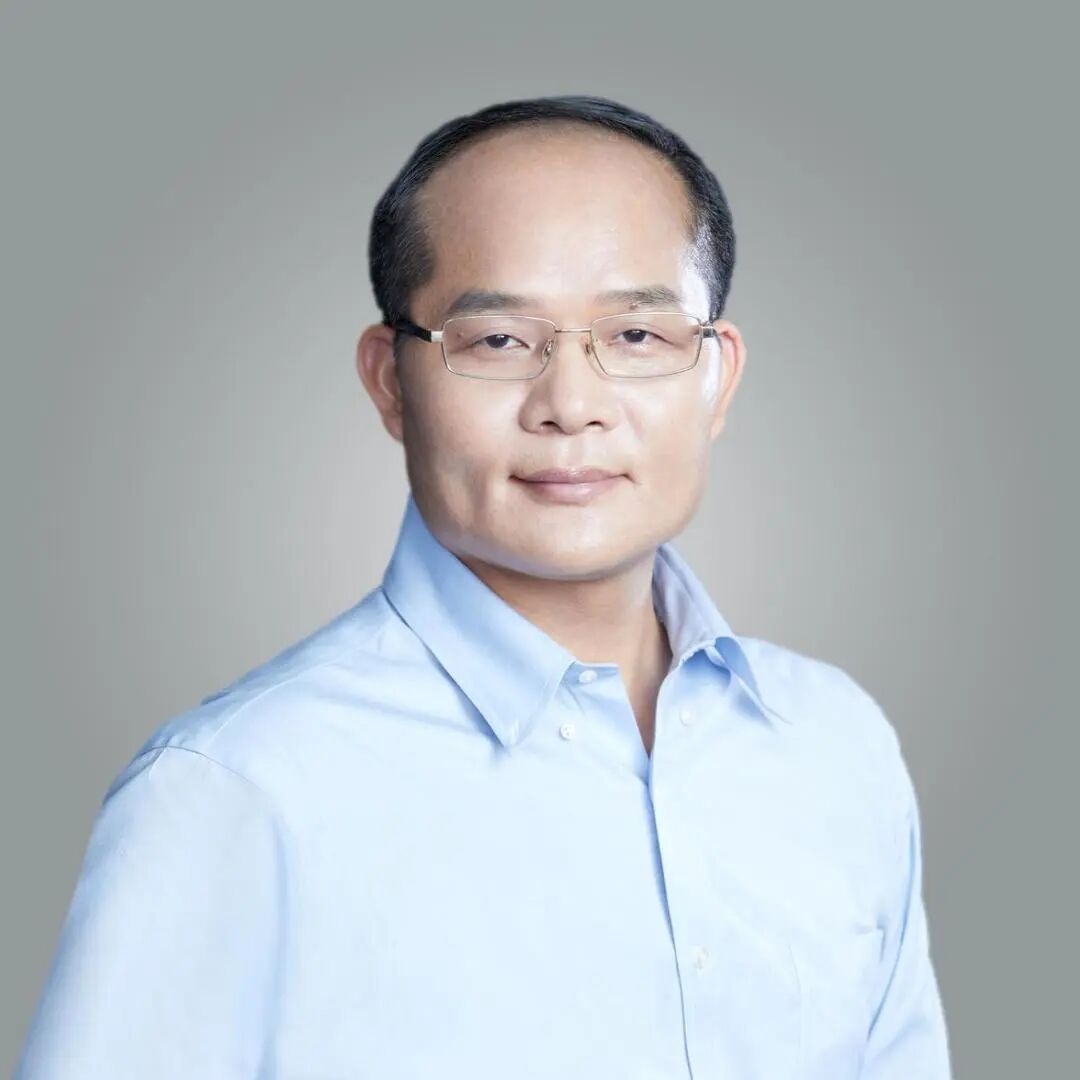
Victor Mao
Senior Advisor, China AI 100 Council; Director, Beijing Key Laboratory for Digital Intelligent Family Doctor & Multi-agent Chronic Disease Management; Founder & Chairman, Shukun TechnologyMao Xinsheng is the Founder and Chairman of Shukun Technology, a renowned technology leader with over 20 years of R&D and management experience in the information technology industry across China and the US. A graduate of Peking University, he previously held key positions at IBM, including CTO of IBM China Research Laboratory, Dean of IBM Institute for Innovation and Engineering, Global R&D Head of IBM Cloud Platform, and Member of IBM Global Strategy Committee. In 2017, he founded Shukun Technology, a global leader in medical AI. Under his leadership, the company developed globally leading multimodal medical large models and over 100 AI digital doctor agents, leading the industry in disease coverage, product certifications and market penetration. He has led Shukun Technology to secure more than 400 authorized patents and publish over 400 SCI research papers. Individually, he holds over 40 domestic and international patents and has published more than 10 SCI papers in top journals.He has steered Shukun Technology to win numerous honors, such as National Specialized, Refined, Differential and Innovative "Little Giant" Enterprise, MIIT Winner of the "Breakthrough Key Technologies" Program for AI in Healthcare, Global Unicorn, China Unicorn, and Forbes Top 50 AI Tech Enterprises. The company took three first prizes at the National Digital Health Innovation Application Competition (Medical AI Category) hosted by the National Health Commission, the First Prize and top healthcare ranking at the Beijing Industrial Large Model Innovation Application Competition, as well as multiple science and technology awards including First and Second Prizes of Beijing Science and Technology Progress Award, First Prize of Hainan Science and Technology Progress Award, First Prize of Jiangsu Medical Science and Technology Award, and Second Prize of Hubei Science and Technology Progress Award. Individually, he has received IBM’s Outstanding Technical Contribution Award multiple times, with nominations for IBM Distinguished Engineer and IBM Fellow. He was honored as "China IT Person of the Year" (2013) and "Top Ten Outstanding Figures in AI Industry Innovation" (2023). In 2026, he was appointed "Peking Union Medical College - Yanjing Scholar" , and featured in Forbes China’s "AI Influential Figures". Currently, he serves as Vice President of China Council for the Promotion of Science and Technology Industrialization, Executive Director of the Health Industry Branch of China Health Economics Association, Senior Advisor of China AI 100 Forum.
Shuai Li
Deputy Dean, School of Computer Science and Engineering, Beihang UniversityLi Shuai is a professor, doctoral supervisor, and vice dean at the School of Computer Science and Engineering, Beihang University. He is a national-level leading talent and serves as council member of the China Simulation Society, chair of its Medical Simulation Professional Committee, deputy chair of the Virtual Reality Professional Committee of the Chinese Society for Image and Graphics, deputy chair of the Smart Anatomy Branch of the Chinese Anatomical Society, and member of the Beijing Intellectual Property Strategy Advisory Committee. His research focuses on virtual reality, smart healthcare, and artificial intelligence. He has published over 140 papers in top international journals and conferences such as IEEE TPAMI, ACM SIGGRAPH, IEEE TVCG, IJCV, IEEE TIP, AAAI, ICCV, and CVPR, and holds more than 40 authorized invention patents. He has received numerous awards, including the First Prize for National Scientific and Technological Progress,the First Prize for Innovative Technology from the China Simulation Society, the First Prize for Technical Invention from Shandong Province, the Zhongchuang Software Talent Award, the First Prize for Innovation Achievements in Industry-University-Research Collaboration, the First Prize for Scientific and Technological Progress from the China Institute of Electronics, and the Second Prize for Scientific and Technological Progress from Shandong Province. He serves on editorial boards for several journals, including The Innovation Informatics, VCIBA, and Journal of Computer-Aided Design & Computer Graphics. He has been repeatedly recognized as an outstanding doctoral and master's thesis advisor at Beihang University.
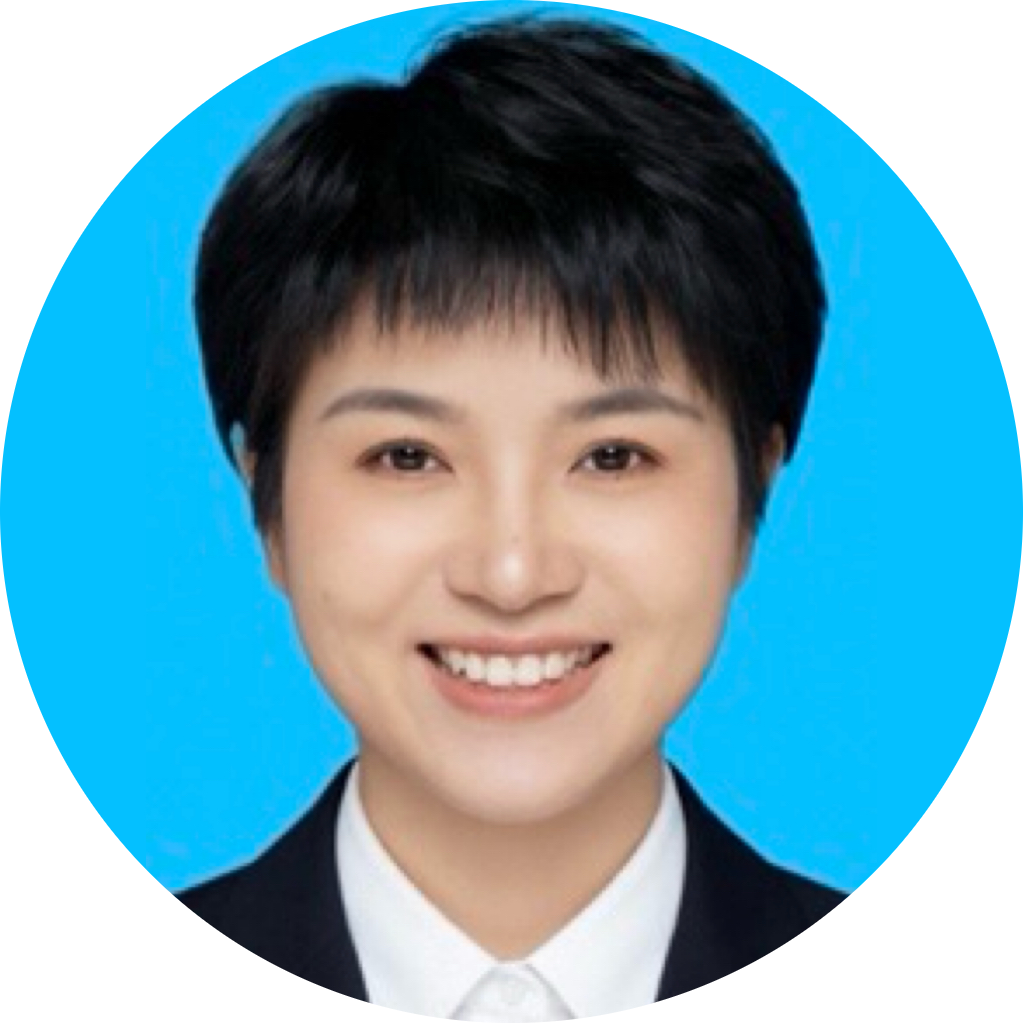
Chen Lin
Interdisciplinary Center of Medicine and Engineering, Tongji UniversityLin Chen's research focuses on AI4Science. In the past five years, she has published over 70 papers in Nature sub-journals and CCF-A/B journals and conferences. She has led key projects funded by the National Natural Science Foundation of China and the Science Fund for Distinguished Young Scholars of Fujian Province. She received awards such as the NeurIPS 2024 Best Paper Runner-up, IEEE Early Career Award, First Prize of Henan Provincial Science and Technology Progress Award. Her algorithms have been deployed in real-world systems including Alipay, Taobao, Ant Group's telemedicine, OceanBase database system, OpenGauss, and Fujian Power Grid data system.
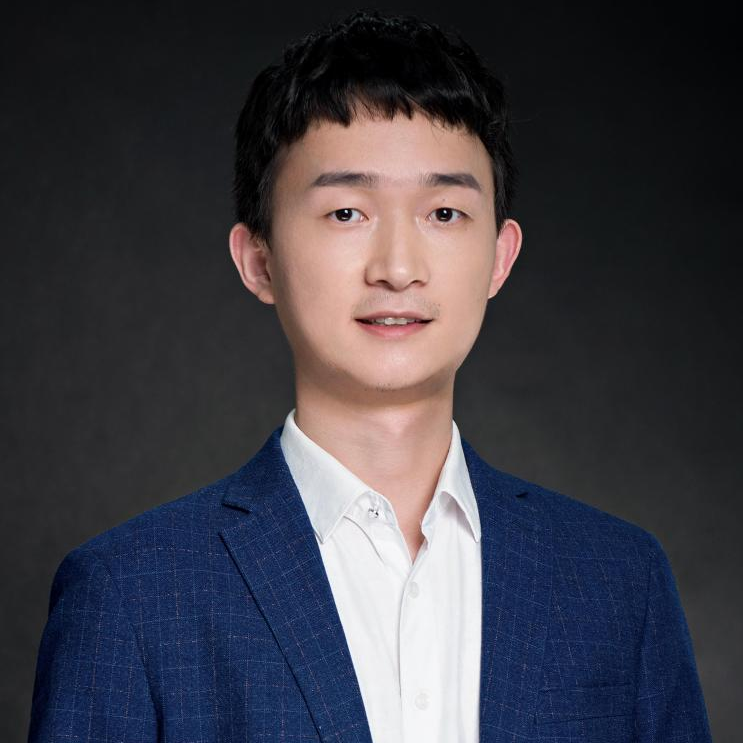
Peng Zhang
Associate Professor, College of Life Science and Technology, Huazhong University of Science and TechnologyZhang Peng is an Associate Professor at the College of Life Science and Technology, Huazhong University of Science and Technology. His research focuses on automatic detection of cardiovascular diseases based on ECG signals, with a particular emphasis on developing intelligent detection and risk prediction systems for atrial fibrillation. His atrial fibrillation detection and risk prediction systems have been successfully translated into Holter and portable ECG products. He has published over 40 SCI papers in prestigious journals such as Med, Nature Chemistry, and Advanced Science. He holds 24 invention patent applications (13 granted, including one US patent), and has completed the technology transfer of an invention patent valued at 1.27 million RMB. He has led several research projects, including the Wuhan Key R&D Program, the General Program and Youth Program of the NSFC, and the Hubei Provincial General Program. He has also participated in multiple key R&D projects of the Ministry of Science and Technology and key projects of the NSFC. He has been selected for the Hubei Provincial Pioneer Talent Tracking Support Program and recognized as a Youth Expert of the "Qingbaihui" under the Brain-Computer Interface Industry Alliance. He serves as a member of the Brain-Computer Interface Integration and Translation Division of the Hubei Neuroscience Society, a youth committee member of the Biomedical Photonics Committee of the Chinese Optical Society, an editorial board member of Brain Horizons, and a youth editorial board member of Brain-X.

Nan Zhang
nstitute of Automation, Chinese Academy of Sciences,Assistant ProfessorDr. Nan Zhang is an Assistant Professor at the Institute of Automation, Chinese Academy of Sciences (CASIA). Her primary research interests focus on AI-generated visual medical digital humans, extended reality visualization and interaction, and medical true 3D displays. She has authored over 20 peer-reviewed papers in prestigious international journals and conferences, such as IEEE THMS, IEEE TLT, IEEE VR, JOSA A, MBEC, and IJCARS. In addition to holding five national invention patents, Dr. Zhang has delivered multiple invited and oral presentations at international academic conferences and is the recipient of two conference awards. Her academic excellence has been widely recognized with the "Outstanding Graduate" honors from Beijing Municipality, Dalian Municipality, Tsinghua University, and others. Active in the professional community, Dr. Zhang serves as a committee member of the 3D Imaging and Display (S3DID) professional committee of the China Society of Image and Graphics (CSIG). Furthermore, she is a regular reviewer for SCI journals and top-level conferences, such as CMIG, BSPC, MBEC, and MICCAI. As a principal investigator, Dr. Zhang currently leads several longitudinal research projects, including a Youth Program from the National Natural Science Foundation of China, alongside a Youth Fund and an Open Research Project supported by the National Key Laboratory of Multimodal Artificial Intelligence Systems.
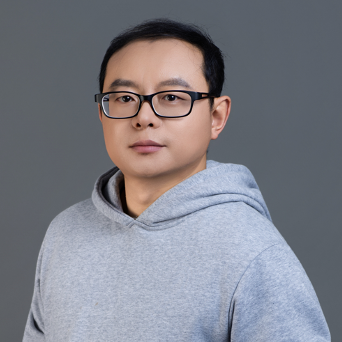
Dong Sui
Associate Professor & Chair, Department of Computer Science and Technology, School of Intelligent Science and Technology, Beijing University of Civil Engineering and ArchitectureSui Dong, Associate Professor and Master’s Supervisor at Beijing University of Civil Engineering and Architecture (BUCEA), is a recipient of the BUCEA Outstanding Young Talents under the university’s Pyramid Talent Program. He earned his Doctoral degree in Computer Applied Technology from Harbin Institute of Technology and completed his postdoctoral research in Computer Science at Beihang University. Currently serving as Department Chair of the Department of Computer Science and Technology, School of Intelligent Science and Technology at BUCEA, his research focuses on virtual reality, generative artificial intelligence, image processing and analysis, as well as the digitization and revitalization of cultural heritage. In recent years, he has published over 40 academic papers and obtained five authorized invention patents; he is the principal investigator for one ongoing sub-project of a Key Program and one Young Scientists Fund Project supported by the National Natural Science Foundation of China (NSFC), and has taken part in six NSFC-funded projects covering Major, Key and General Programs alongside numerous key research projects at the provincial and ministerial levels.
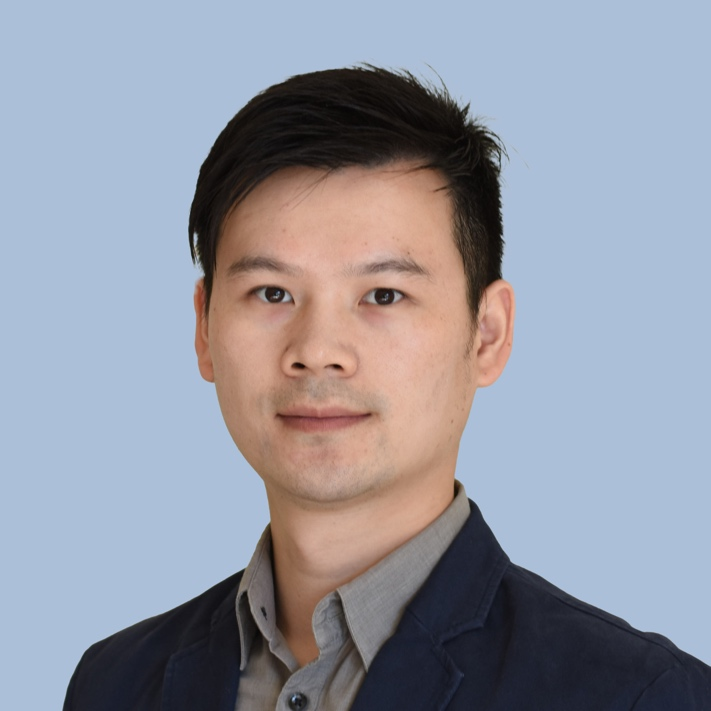
Haibo Ni
Zhicheng Young Prof., Research Fellow & PhD Supv., Nanjing Univ.; Research Fellow, Cardiovascular Center, Drum Tower HospitalNi Haibo, Zhicheng Young Professor and Researcher with doctoral supervision qualification at Nanjing University, Researcher at the Cardiovascular Center of the Affiliated Drum Tower Hospital, and a member of the engineering medicine research team led by Academician Gu Ning of the Chinese Academy of Sciences. He has been funded by the National High-level Overseas Young Talent Program, American Heart Association (AHA) Career Development Award and AHA Postdoctoral Fellowship, among others.His long-term research lies at the interdisciplinary frontier of cardiovascular medicine and engineering. By integrating computer science, artificial intelligence and biomedical technologies, he develops digital twin models of cardiac physiology to unravel pathological mechanisms of severe cardiovascular diseases and evaluate corresponding intervention strategies.He has published more than 40 peer-reviewed articles in journals including Cardiovascular Research, JACC: Clinical Electrophysiology and National Science Review. He serves as a peer review expert for key national R&D projects of Chinese central ministries and AHA research grants, as well as an Early-Career Editorial Board Member of Journal of Physiology and an editorial board member of PLOS Computational Biology and Digital Health.
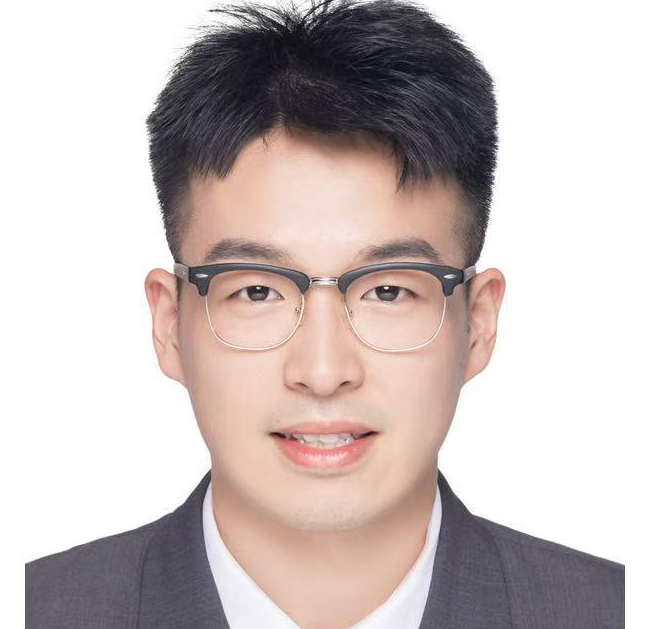
Guanting Dong
PhD , Renmin University of ChinaDong Guanting, PhD Candidate (Class of 2024), Gaoling School of Artificial Intelligence, Renmin University of China, supervised by Professor Wen Jirong and Professor Dou Zhicheng. His research focuses on general-purpose agent training and reinforcement learning for agents. He has published over 20 papers as first or co-first author at top-tier international conferences including ICLR, NeurIPS and ACL. His representative works cover ARPO, AUTOIF, Search-o1, Webthinker, FlashRAG, which have attracted widespread attention from global researchers. As a core contributor, he participated in the development of large language models including Seed2.0, Seed1.8, Qwen2.5 and Qwen2. His Google Scholar citations exceed 18,000. His personal GitHub projects have gained more than 9,000 stars. He completed internships at core LLM teams including ByteDance Seed and Alibaba Tongyi Qwen. He is a recipient of the inaugural Tencent Azure Scholarship (only 15 recipients nationwide), National Scholarship and Beijing Outstanding Graduate. He has been funded by the NSFC Student Basic Research Program for PhD Candidates and the PhD Program of Young Talent Support Project of China Association for Science and Technology.
Shihan Dou
PhD , Fudan UniversityDou Shihan, PhD Candidate, Fudan University, supervised by Associate Researcher Gui Tao, Professor Zhang Qi and Professor Huang Xuanjing. His research mainly centers on large language models. He has published more than ten papers as the first author in prestigious international conferences and journals, with over 6,000 citations on Google Scholar. One of his works won the Best Paper Award at the NeurIPS 2023 Instruction Workshop, and its open-source code has been adopted by Hugging Face TRL. For academic services, he serves as Area Chair of AAAI 2026. He has been selected into the CIE-Tencent PhD Research Incentive Program, funded by NSFC Basic Research Program for Graduate Students, and supported by the PhD Program of Young Talent Support Project of China Association for Science and Technology.
Bingxiang He
PhD Candidate, Tsinghua UniversityHe Bingxiang, a second-year direct PhD student at THUNLP Lab, Department of Computer Science, Tsinghua University under the supervision of Professor Liu Zhiyuan. His research focuses on large model alignment and reinforcement learning. His recent work systematically explores the practical boundaries and inherent costs of large-model reinforcement learning across multiple dimensions via streamlined training recipes, exploration of generalized supervision sources, and fine-grained diagnosis of training mechanisms. As a core contributor in the open-source community, he has released multiple GitHub projects including PRIME, JustRL and OPD. He has published several papers at top-tier AI conferences such as ACL, ICML, ICLR and NeurIPS, with over 1900 total citations on Google Scholar.

Ziqi Huang
PhD , Nanyang Technological UniversityHuang Ziqi, PhD Candidate at MMLab, Nanyang Technological University (NTU), supervised by Professor Ziwei Liu. She received her Bachelor’s degree from NTU in 2022. She has received numerous prestigious honors and awards, including Apple PhD Fellowship (2025), Google PhD Fellowship (2023), Lee Kuan Yew Gold Medal (2022), ACL 2025 SAC Highlights Award and ICCV 2025 Workshop Outstanding Paper Award. Her research covers computer vision and deep learning, with a particular focus on generative models and evaluation metrics for image and video generation. Her Google Scholar citations exceed 3500. The VBench series led by her has become a widely adopted evaluation benchmark across academia and industry for video generation.

Bowen Jin
Research Scientist, OpenAIJin Bowen, PhD from University of Illinois Urbana-Champaign (UIUC), currently works as Research Scientist at OpenAI. He was awarded Apple PhD Fellowship and Yunni and Maxine Pao Memorial Fellowship. His research interests lie at the intersection of large language models (LLMs), multimodal learning and information networks, focusing on how foundation models integrate textual, web and multimodal data to tackle practical tasks including information retrieval and knowledge discovery. His ongoing research covers LLM Agent, reasoning and reinforcement learning (RL). As first author, he has published multiple papers at top conferences such as ICLR, ICML, NeurIPS, KDD, SIGIR, ACL, COLM and EMNLP, with over 3600 citations on Google Scholar.
Jiajie Jin
PhD , Renmin University of ChinaJin Jiajie, PhD Candidate enrolled in 2025 at Gaoling School of Artificial Intelligence, Renmin University of China, supervised by Professor Dou Zhicheng. His research focuses on intelligent information retrieval, retrieval-augmented generation and large language model agents. He has published seven papers as first or co-first author at top international conferences including ACL, SIGIR, The Web Conference and NeurIPS. His representative works consist of FlashRAG, FinSight, WebThinker and Search-o1, accumulating over 1900 citations on Google Scholar and attracting extensive attention from global researchers and open-source communities.Apart from academic research, he has led the development of multiple open-source projects. The proposed FlashRAG framework once ranked among Top 3 on GitHub Trending, gaining more than 3,500 GitHub Stars and over 80,000 PyPI downloads. The FinSight financial research report generation system he designed claimed the first place out of 1289 participating teams at the 2025 AFAC Financial Intelligence Innovation Competition. His involved projects WebThinker and Search-o1 have each obtained over 1,000 GitHub Stars, advancing the research on large language models and search-enhanced reasoning. He completed research internships at Alibaba DAMO Academy and Microsoft Research Asia, and has been awarded the JAC Special Scholarship and First-class Academic Scholarship of University of Science and Technology of China.
Xinyu Lin
PhD , National University of SingaporeLin Xinyu, PhD Candidate at NExT++, National University of Singapore (NUS), supervised by Professor Tat-Seng Chua. She has received various honors and awards including Google PhD Fellowship (2025), Best Demo Award at SIGKDD Singapore Symposium (2024) and China National Scholarship (2020). Her research interests cover personalized large language models, recommendation systems, user simulation and intelligent agents. She has published research papers at top conferences including ICLR, NeurIPS, SIGIR, WWW, KDD as well as authoritative journal TOIS, with over 1900 citations on Google Scholar.
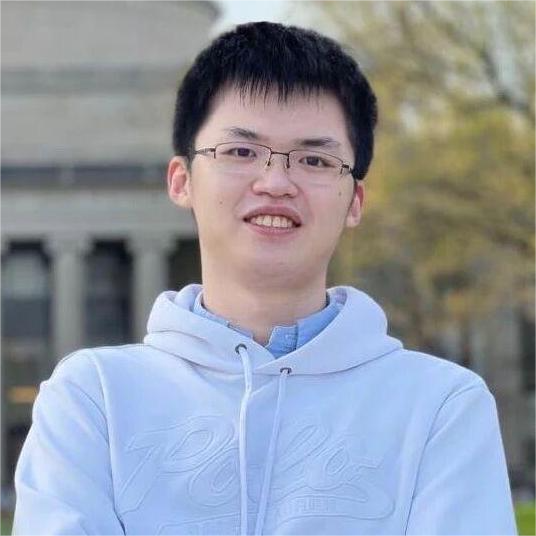
Tianhong Li
Postdoctoral Researcher, MITLi Tianhong, Postdoctoral Researcher in Kaiming He’s Group at CSAIL, Massachusetts Institute of Technology. He earned his PhD from MIT under the supervision of Professor Dina Katabi and received his bachelor’s degree from the Yao Class, Tsinghua University. His recent research focuses on representation learning, generative models and their synergy. In the long run, he aims to build intelligent vision systems capable of surpassing human perception to understand and model the physical world in depth. He was the recipient of the MathWorks Fellowship in 2023 and has served as Area Chair for top-tier conferences including ICLR, ICML and ICCV, with over 5600 citations on Google Scholar.
Xiaoxi Li
PhD , Renmin University of ChinaLi Xiaoxi is a third-year PhD Candidate at Gaoling School of Artificial Intelligence, Renmin University of China, supervised by Professor Zhicheng Dou. His research focuses on large language model agents, deep search and deep research. He has published over 20 papers at top-tier conferences and journals including NeurIPS, ACL, EMNLP, AAAI and WWW, with more than 1,700 citations on Google Scholar and over 10,000 total GitHub stars. His representative works include Search-o1, WebThinker, DeepAgent and OmniGAIA, which have drawn extensive attention from researchers worldwide. Personal Homepage: https://xiaoxi-li1.github.io/
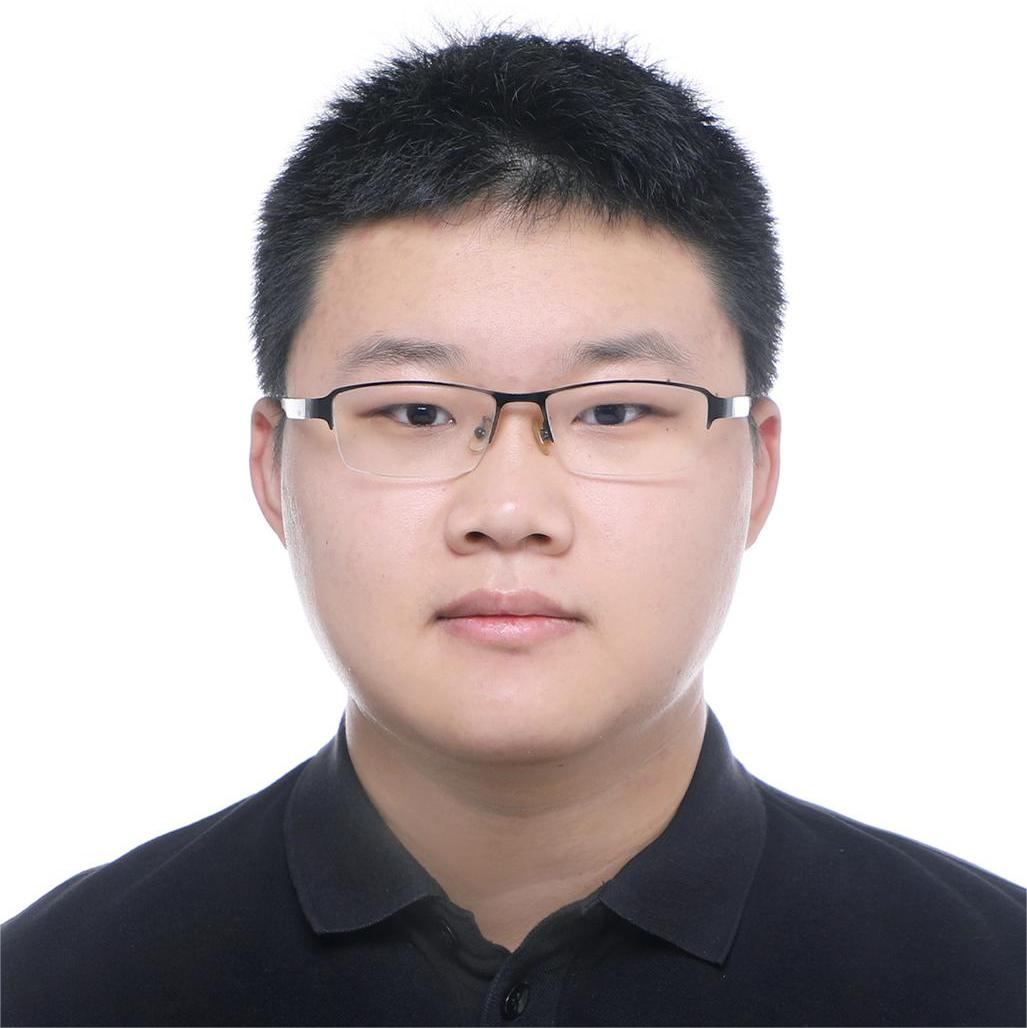
Yuyang Li
PhD , Peking UniversityLi Yuyang, Class of 2024 PhD Candidate at Institute for Artificial Intelligence, Peking University, supervised by Assistant Professor Zhu Yixin. His research centers on multimodal perception and dexterous manipulation for robots. He has published multiple papers in journals including *Nature Machine Intelligence*, T-RO, RA-L, T-ASE as well as top conferences such as NeurIPS, R:SS and CVPR, and serves as a frequent invited reviewer for academic venues.He received his bachelor’s degree from the Department of Automation, Tsinghua University. During undergraduate studies, he was a core member of the inaugural tailored AI talent training program (Tong Class) and was awarded outstanding research honors including the Huang Yicong Foundation Excellence in Research Award.
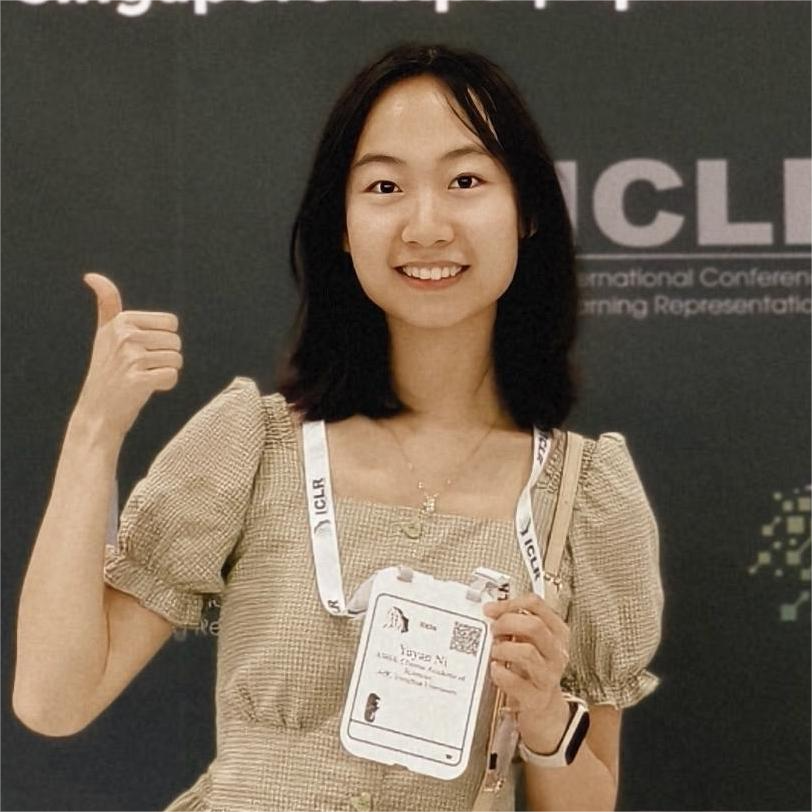
Yuyan Ni
PhD , Academy of Mathematics and Systems Science, Chinese Academy of SciencesNi Yuyan, PhD Candidate at Academy of Mathematics and Systems Science, Chinese Academy of Sciences, supervised by Academician Ma Zhiming and Professor Lan Yanyan from Institute for AI Industry Research (AIR), Tsinghua University. Her research interests cover AI for Science, deep generative models and representation learning. She has published more than ten papers in the top AI journal Nature Machine Intelligence and flagship conferences including NeurIPS, ICML and ICLR, and works as an invited conference reviewer.

Zihan Qiu
Research Scientist, Qwen (Alibaba)Qiu Zihan received his bachelor's degree from the Yao Class, Tsinghua University. He is currently working on the Qwen pretraining team, focusing on large model architecture and training strategy research. He has published more than ten papers at conferences including NeurIPS, ICLR, ACL, EMNLP and NAACL. His first-author papers won the NeurIPS 2025 Best Paper Award and NAACL 2024 Outstanding Paper Award. As a core team member, he took part in the development of Qwen2.5, Qwen3, Qwen3-Next and other model series, with over 14000 citations on Google Scholar.
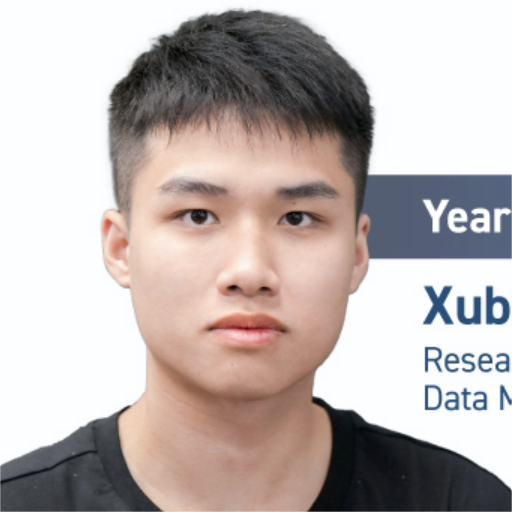
Xubin Ren
PhD, The University of Hong KongRen Xubin, PhD, The University of Hong Kong, supervised by Professor Huang Chao. His research focuses on large language models and intelligent agents.As first author and key contributor, he has published papers at top international conferences including WWW, SIGIR, WSDM, KDD and ICLR, with multiple first-author papers selected as highly influential conference papers, accumulating 2628 citations on Google Scholar.He is a recipient of the Hong Kong PhD Fellowship and HKU Chancellor’s Scholarship. He leads a doctoral student basic research project supported by the National Natural Science Foundation of China. He has been honored as Qingyuan Scholar by the Chinese Association for Artificial Intelligence and shortlisted among the global Top20 outstanding youth papers at the World Artificial Intelligence Conference.In the open-source community, he leads the development of popular open-source projects such as nanobot and VideoRAG, whose combined GitHub stars exceed 47000.

Wenxuan Song
PhD, The Hong Kong University of Science and Technology (Guangzhou)Song Wenxuan, second-year PhD at the Department of ROAS, The Hong Kong University of Science and Technology (Guangzhou), supervised by Professor Li Haoang, whose research focuses on Robotic Foundation Models; he devotes himself to embodied intelligence and robot learning and has published 15 papers in total across top conferences including ICLR, ICRA, CVPR and IEEE Transactions journals, among which 8 are first or co-first authored, his paper ReconVLA: Reconstructing Vision-Language-Action Models as Efficient Robot Perceptors received the AAAI 2026 Best Paper Award, marking the first-ever embodied intelligence work to win a best paper award at a top machine learning conference and pioneering the research field of robotic visual representation alignment, and his subsequent work Spatial Forcing claimed the second prize at the IROS 2025 Agibot World Challenge and was accepted by ICLR 2026, moreover he is the co-founder of the open-source organization OpenHelix Team with repositories led by him gaining over 4,000 GitHub Stars, his research has been deployed into industrial models of enterprises including Ant Lingbo and Xiaomi and relevant achievements were featured on the cover of MIT Technology Review, and he was selected into the Xiaomi Robotics Elite Intern Program and the EAI Next-20 List of Top Emerging Researchers in Embodied Intelligence 2025 while serving as a member of the BAAI Qingyuan Fellowship.
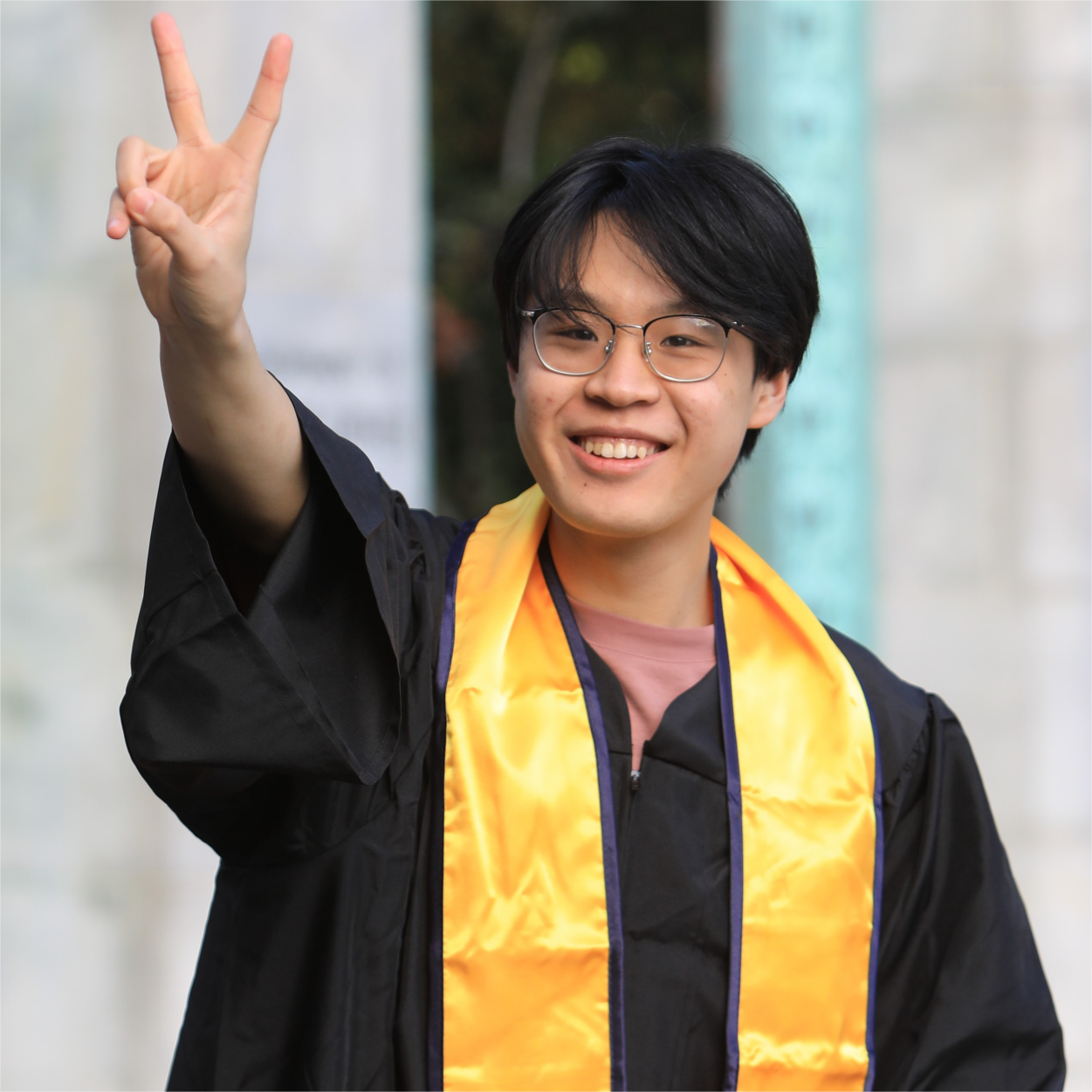
Peter Tong
PhD, New York UniversityPeter Tong is a PhD at the Department of Computer Science, Courant Institute, New York University, advised by Professor Yann LeCun and Professor Saining Xie. He graduated from the University of California, Berkeley in 2023 with triple bachelor degrees in Computer Science, Applied Mathematics and Statistics. His research interests cover world models, unsupervised/self-supervised learning and multimodal models. He has published papers at top conferences including CVPR and NeurIPS with over 4500 citations on Google Scholar and is a recipient of the OpenAI Superalignment Fellowship.
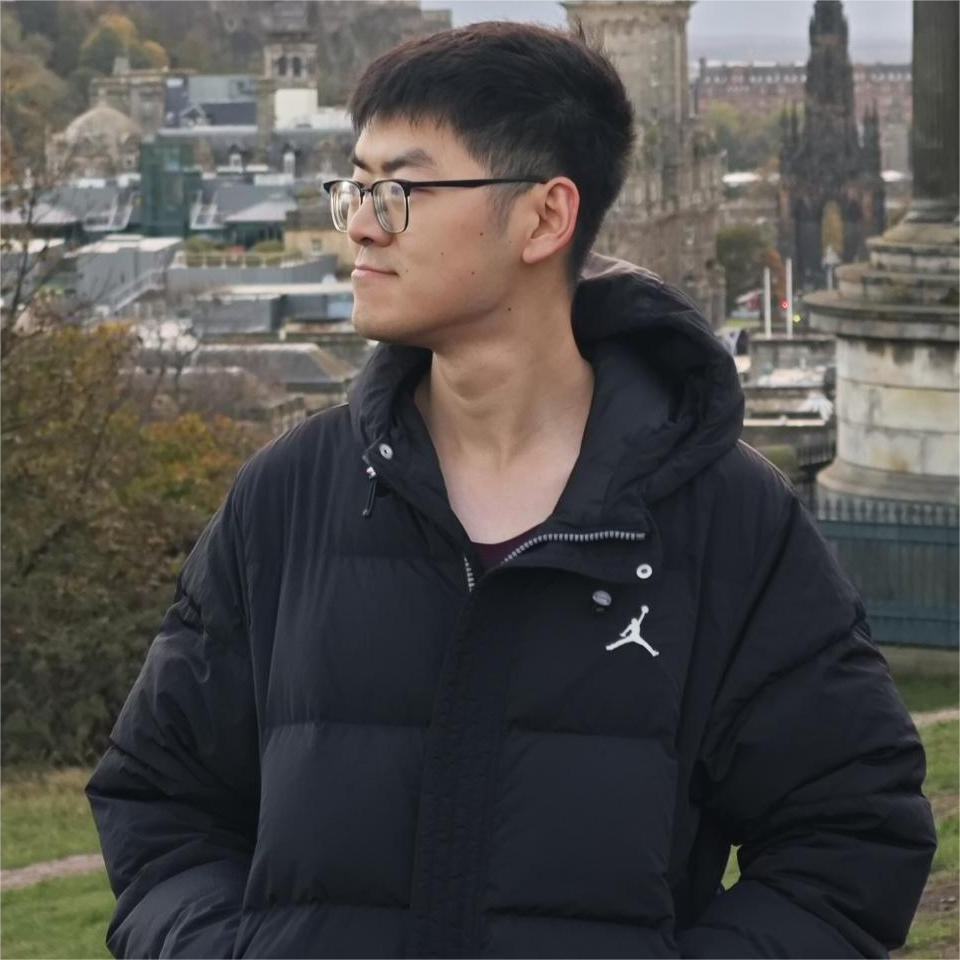
Shangqing Tu
PhD, Tsinghua UniversityTu Shangqing, PhD in Department of Computer Science, Tsinghua University under the supervision of Professor Juanzi Li, was selected for the 2025 NSFC Basic Research Program for Young Graduate Students. His research centers on post-training and evaluation of large language models to advance the deployment of large models in education. During his internship at Zhipu AI Post-training Team, he took part in core R&D of GLM-4.5 and GLM-5 series foundation models. He has published eight CCF-A papers as first or co-first author at top-tier conferences including ACL, KDD, ACM MM and ICLR, with more than 1400 total citations on Google Scholar. His representative works consist of LongBench v2, a long-text benchmark ranking among Top 15 most cited papers of ACL 2025, and OpenMAIC, an education-oriented agent framework accumulating over 17000 GitHub Stars.
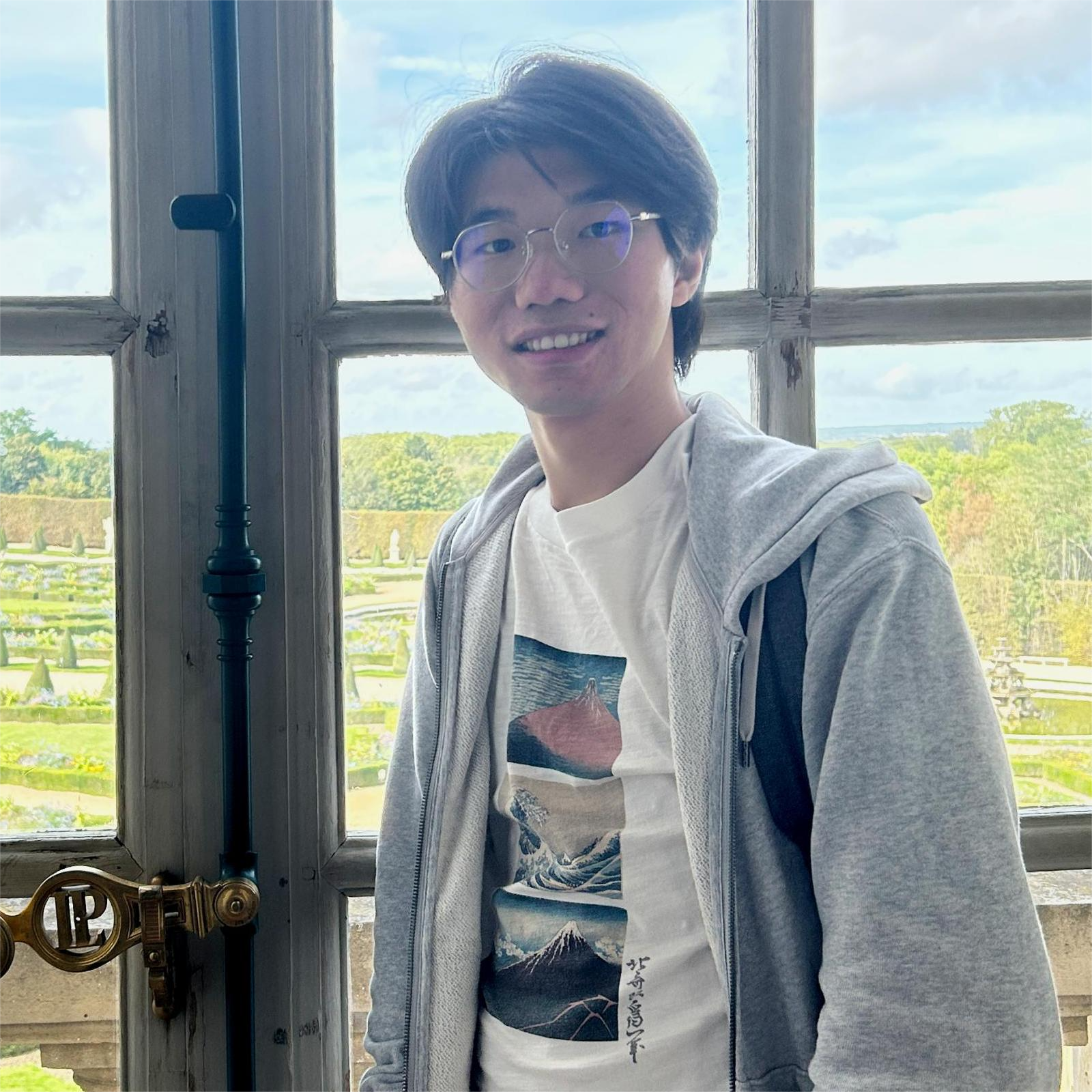
Ruihai Wu
Postdoc, University of California, BerkeleyDr. Wu Ruihai earned his doctoral degree from Peking University and currently works as a postdoctoral researcher at UC Berkeley focusing on embodied intelligence and 3D vision. He has published nearly 50 papers covering high-fidelity simulation, generalizable representation and robotic manipulation within embodied intelligence. He is a recipient of ByteDance Scholarship, nominee for Apple AI/ML Scholar Award, China3DV Rising Star and EAI-100 Rising Researcher; he was selected for CVPR and ICRA Doctoral Consortium. His first-author papers were finalists for ICRA Best Paper Award and WAIC Excellent Youth Paper, and earned nomination for CEAI Outstanding Young Paper as well as Top 10 Demo of EAI-100. Additionally, he claimed first and second prizes in multiple embodied AI competitions including ManiSkill-ViTac Challenge.
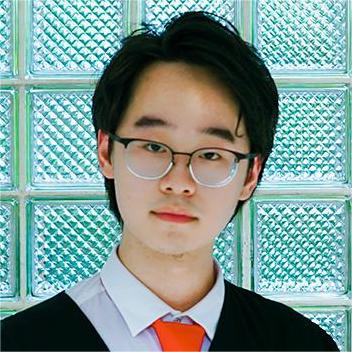
Xiaoyang Wu
PhD, The University of Hong KongWu Xiaoyang, PhD Candidate at the Department of Computer Science, The University of Hong Kong, focuses on 3D spatial representation learning, point cloud understanding and sparse world representation. His long-term research targets developing scalable and transferable fundamental spatial representations based on point representations, enabling machines to build structured comprehension of the physical world from sparse spatial observations. His representative works include the Point Transformer series, Sonata, Concerto, Utonia, alongside Pointcept, an open-source 3D perception framework. During his doctoral study, he has authored more than 20 papers published in top-tier international conferences and journals with over 3000 total citations; he received Outstanding Reviewer awards for CVPR 2023 and NeurIPS 2023, and serves as an Area Chair for ECCV 2026. Committed to fostering an open and reproducible research ecosystem for 3D vision, the Pointcept library led by him has become a widely adopted codebase for point cloud learning, facilitating research advances in 3D perception, embodied intelligence and real-world spatial understanding.
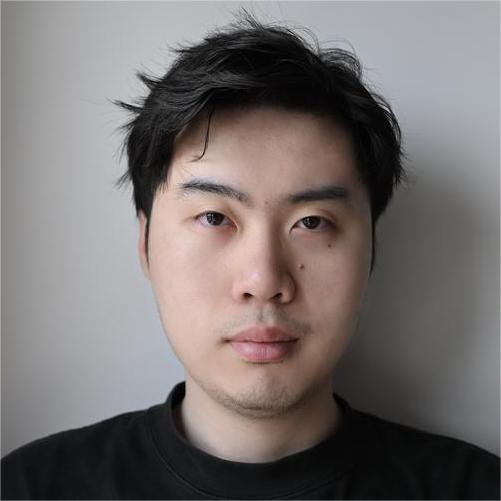
Jiazhi Yang
PhD, The Chinese University of Hong KongYang Jiazhi, second-year PhD at MMLab, The Chinese University of Hong Kong under the supervision of Professor Xiangyu Yue. As co-first author, he proposed UniAD, which won the CVPR 2023 Best Paper Award. Two of his world-model-related works were selected as CVPR 2024 Spotlight (top 2.8%) and NeurIPS 2025 Highlight (top 3.2%). His recently proposed RISE architecture pioneers the use of world-model-based reinforcement learning to boost policy performance on sophisticated robotic manipulation tasks. His Google Scholar citations exceed 2400, and the open-source project led by him has accumulated over 6000 GitHub Stars. He was named among the 2025 Alibaba Cloud EAI Next-20 Rising Scholars.
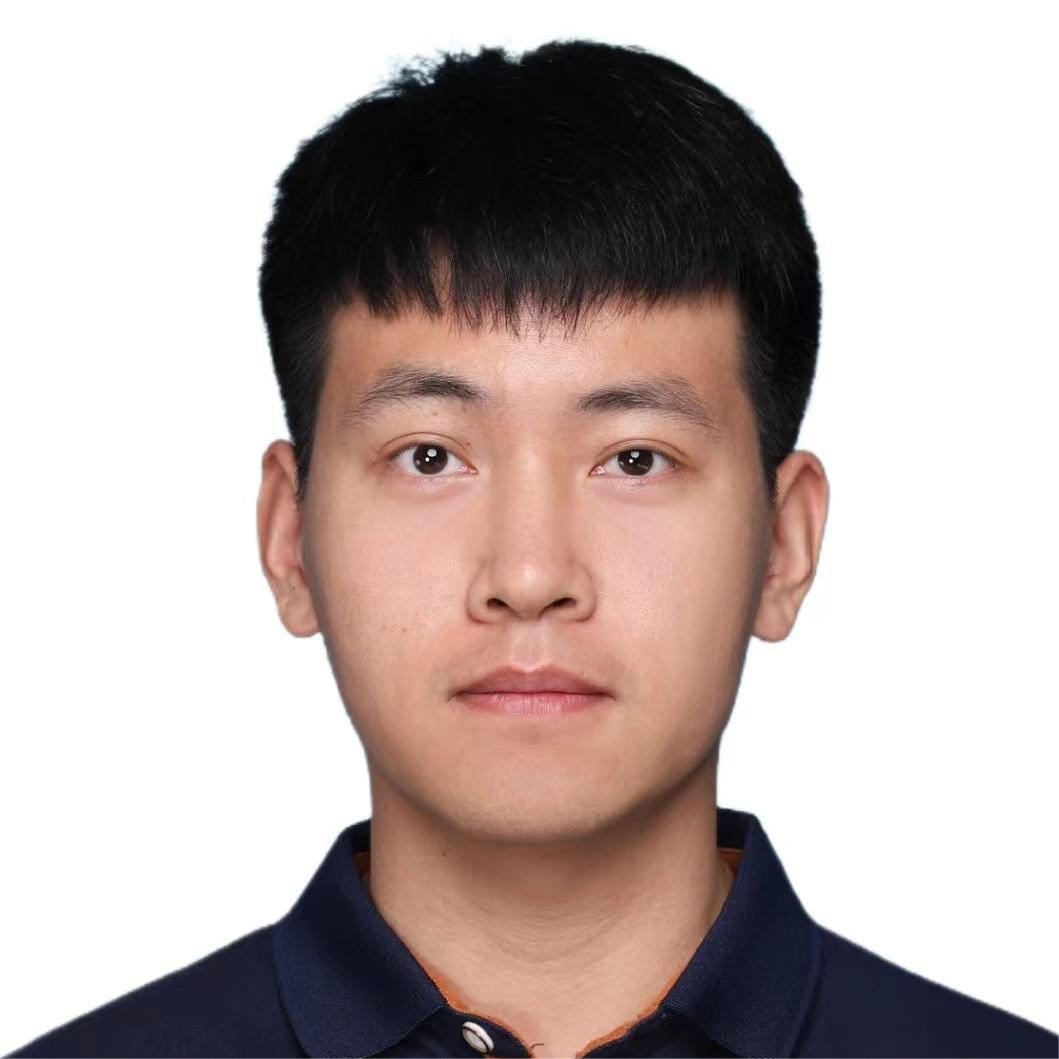
Yiyuan Yang
PhD, University of OxfordYiyuan Yang, a DPhil student at the Department of Computer Science, University of Oxford and a fully-funded Oxford Clarendon Scholar, received his master’s degree from the Department of Automation, Tsinghua University and bachelor’s degree from the Experimental Class of the School of Artificial Intelligence and Automation alongside Qiming College at Huazhong University of Science and Technology; his research focuses on time-series and spatio-temporal learning, signal processing and spatial audio, multimodal artificial intelligence, LLM reasoning for structured data and intelligent perception systems to improve AI models’ modeling, understanding, reasoning and practical deployment capabilities on complex real-world sequential data across healthcare, industrial sensing, energy, transportation and speech & audio scenarios, he has undertaken research and industrial internships at Microsoft Research, Microsoft Applied Sciences Group, Alibaba DAMO Academy and Huawei Noah’s Ark Lab and is set to complete a research internship at Meta Superintelligence Lab in 2026, with his research outputs covering adaptive spatial speech separation, LLM-enabled code and video generation, time-series anomaly detection, AIOps prediction and graph neural networks, he has published more than 40 papers at prestigious conferences and journals such as NeurIPS, ACL, KDD, AAAI, IJCAI, ICASSP, Interspeech, ACM Computing Surveys, IEEE TKDE and IEEE TNNLS with over 1,650 Google Scholar citations, outside academia he continuously develops open-source AI tutorials and data science software as a core researcher and developer of the PyPOTS time-series ML ecosystem which has exceeded 2 million PyPI downloads, and he also participates in Chinese AI education projects including LeeDL, Easy-RL and Joy-RL whose aggregated open-source repositories gain over 35,000 GitHub Stars and extensive influence among universities, enterprises and open-source communities, personal homepage: https://yyysjz1997.github.io/
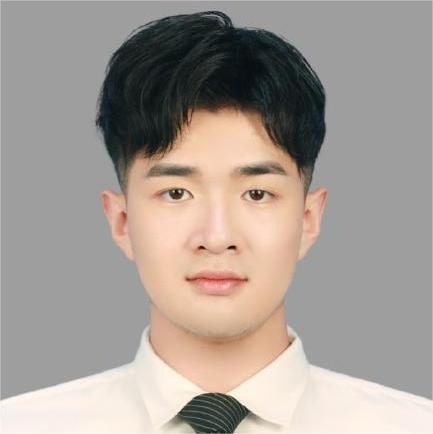
Odin Zhang
PhD, The Chinese University of Hong KongOdin Zhang focuses his research on AI-driven molecular design; he has published over 60 papers in top-tier international journals and conferences to date, including first/co-first or corresponding-author publications in prestigious venues such as Chemical Reviews (1), Nature Machine Intelligence (3), Nature Computational Science (3), JACS (1), Chemical Science (2) and ICML (2), with more than 1,800 citations and an H-index of 27, he holds dual bachelor’s degrees in Pharmacy and Physics as well as a master’s degree in Pharmacy from Zhejiang University under the supervision of Professor Tingjun Hou and a master’s degree in Computer Science from the University of Washington advised by Nobel Laureate David Baker, and is currently a PhD at The Chinese University of Hong Kong supervised by Professor Ping-An Wong, he also serves as a Youth Editorial Board Member of The Innovation Drug Discovery, his doctoral research is funded by the NSFC Graduate Student Program, and his accolades include Baidu AI Scholarship (awarded to only ten scholars worldwide), CUHK Vice-Chancellor’s Scholarship and Zhejiang University Zhu Kezhen Scholarship, additionally he founded Valhalla Technology to advance paradigm shifts of AI for scientific discovery and build a general-purpose scientific intelligence ecosystem, and the startup has secured seed financing with tens of millions of US dollars investment from top-tier USD-focused venture capital firms.
Kechi Zhang
PhD, Peking UniversityZhang Kechi, PhD at Peking University supervised by Professor Zhi Jin and Professor Ge Li and an undergraduate alumnus of the School of Electronics Engineering and Computer Science, Peking University, focuses on code agents and code large language models; he has published multiple first-author papers at top international conferences covering natural language processing and software engineering, with his representative work CodeAgent presented at ACL 2024 as one of the pioneering studies formalizing and systematically exploring the code agent concept, and his first-author papers have won the ACM SIGSOFT Distinguished Paper Award at ICPC 2023 and ACM SIGSOFT Distinguished Paper Award at ICSE 2026 successively.
Yiyuan Zhang
PhD, The Chinese University of Hong KongZhang Yiyuan is a third-year PhD student at MMLab, The Chinese University of Hong Kong. His core research revolves around three principles for multimodal learning: Simplicity, Scalability and Systematization. By adopting streamlined architectural assumptions, scalable pre-training paradigms and systematic engineering design, he unifies text, vision, audio and other modalities into an integrated intelligent system toward real-world artificial intelligence. He has published 15 papers in CCF-A journals and conferences including TPAMI, CVPR, ICCV and NeurIPS, with over 2100 citations on Google Scholar. As a key contributor in open-source communities, he has released multiple GitHub projects such as Meta-Transformer, UniRepLKNet and Simple-Scaling-S1, which have garnered over 12,000 GitHub Stars in total.
Minxi Xie
Founder and CEO of Anyuan AIXie Minxi serves as the Founder and CEO of Anyuan AI, a third-party research and consulting institute specializing in AI safety and governance and currently China’s sole social enterprise within this field. He works as an AI governance advisor for the World Artificial Intelligence Conference and an expert on the artificial intelligence panel of the Popular Science China Think Tank Expert Committee under the China Association for Science and Technology, as well as an expert of the AI Safety and Governance Committee at the All-China Artificial Intelligence Industry Development Alliance (AIIA). He takes part in AI standard-setting working groups under national standardization committees including TC260 for Cybersecurity and TC28 for Information Technology; upon recommendation by the Standardization Administration of China, he has represented China at international AI standard summits hosted by ISO/IEC and ITU. Previously, he was a member of the expert network for the UN High-Level Advisory Body on AI and a senior advisor for the Partnership on AI. His research and viewpoints have been covered repeatedly by authoritative publications and media such as Nature, TIME, People’s Daily and Xinhua News Agency.
Bo An
President’s Chair Prof, NTU; Dean, AI Interdisciplinary InstituteAn Bo, President’s Chair Professor, Head of the Department of Artificial Intelligence and Dean of Interdisciplinary AI Institute at Nanyang Technological University, received his PhD in Computer Science from University of Massachusetts Amherst in 2011; his research focuses on artificial intelligence, multi-agent systems, algorithmic game theory, reinforcement learning and optimization, and he has published more than 200 papers in top-tier AI conferences including AAMAS, IJCAI, AAAI, ICLR, NeurIPS, ICML, AISTATS, ICAPS, KDD, UAI, EC and WWW as well as authoritative journals JAAMAS and AIJ, his honors consist of the 2010 IFAAMAS Outstanding Dissertation Award, 2011 U.S. Coast Guard Excellence in Operations Award, 2012 AAMAS Best Applied Paper Award, 2016 IAAI Innovative Applications Award, 2020 DAI Best Paper Award, 2012 INFORMS Daniel H.Wagner Prize for Excellence in Operations Research Practice, 2018 NTU Young Research Award and 2022 NTU Research Award, he gave an Early Career Spotlight talk at IJCAI 2017, claimed the championship of the 2017 Microsoft Collaborative AI Challenge and was selected for IEEE Intelligent Systems’ AI's 10 to Watch in 2018, he is Editor-in-Chief of IEEE Intelligent Systems and Associate Editor of AIJ, JAAMAS, ACM TIST and ACM TAAS, previously serving as Program Chair for AAMAS 2020 and General Chair for AAMAS 2023, an AAAI Fellow, board member of IJCAI and AAAI who will act as Program Chair of IJCAI 2027, he also serves on the board of IFAAMAS and is an ACM Distinguished Scientist.
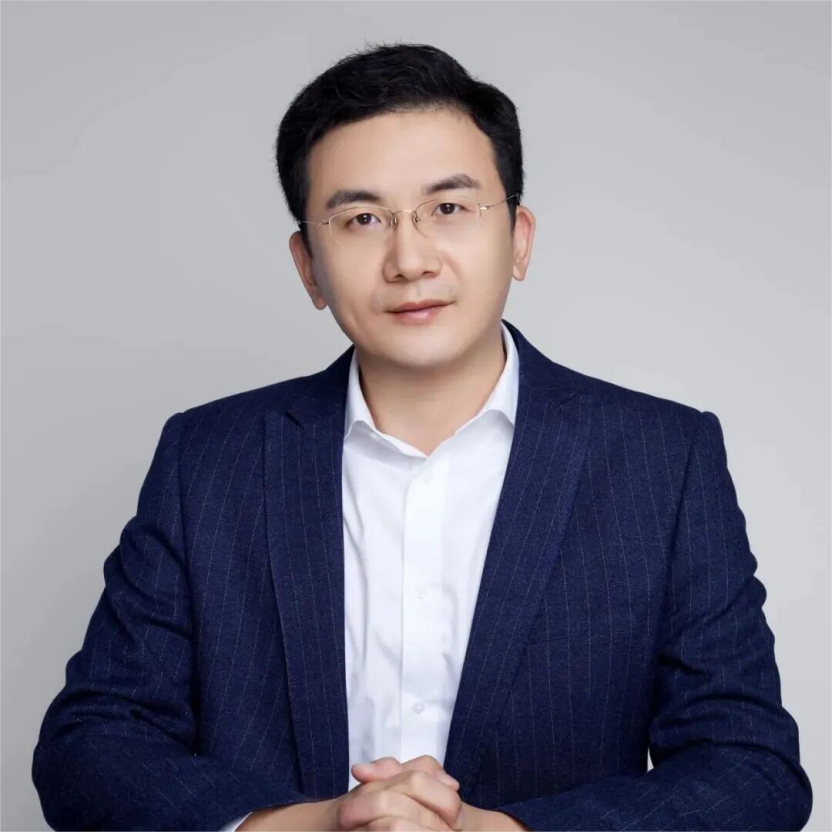
Min Yang
Professor & Executive Dean, School of Computing and Intelligence Innovation, Fudan UniversityYang Min, Professor and PhD Supervisor, Executive Dean of the School of Computing and Intelligence Innovation, Fudan University. He is a recipient of the National Leading Talents Program, member of the Cyberspace Security Discipline Appraisal Panel under the 8th Academic Degrees Committee of the State Council, Chief Scientist of national key R&D programs and 973 Projects, National Outstanding Teacher for Cybersecurity, and Individual with Special Contributions to Shanghai Cybersecurity Development.
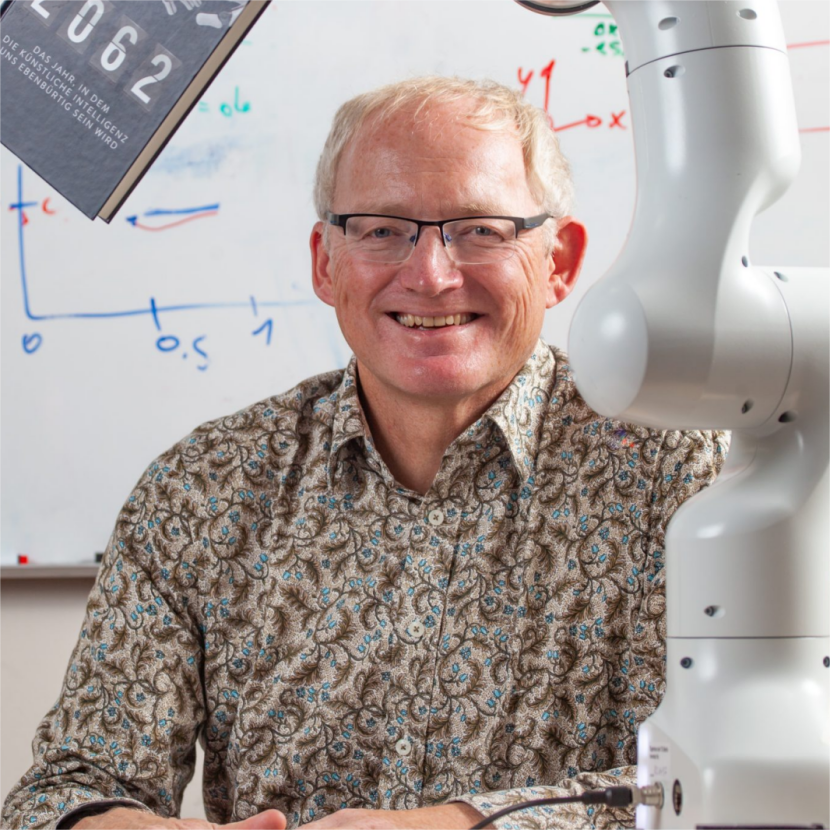
Toby Walsh
Scientia Professor in AI, Chief Scientist of UNSW AI Institute, University of New South Wales (UNSW)Toby Walsh is Scientia Professor of Artificial Intelligence at the University of New South Wales in Sydney and CSIRO’s Data61. He is the winner of the prestigious Celestino Eureka Prize for Promoting Understanding of Science and was named on the international “Who’s Who in AI” list of influencers. He appears regularly on TV and radio, has been profiled by the New York Times and has authored five books on AI for a general audience, the most recent ones entitled “The Shortest History of AI” (2025) and “Faking It: Artificial Intelligence in a Human World“. He is a Fellow of the Australia Academy of Science and was named by the newspaper The Australian as one of the “rock stars” of Australia’s digital revolution. He has won both the Humboldt Prize and the NSW Premier's Prize for Excellence in Engineering and ICT. His Twitter account was voted in the top ten to follow to keep abreast of developments in AI.
Stephen Casper
AI Safety Researcher, MITStephen Casper(https://stephencasper.com/) is a computer scientist and incoming Assistant Professor of Public Policy at the Harvard Kennedy School. He received his PhD from MIT and has previously worked at the UK AI Security Institute. His work focuses on AI safeguards and technical governance. His research has been featured at NeurIPS, AAAI, Nature, FAccT, EMNLP, SaTML, TMLR, IASEAI, several course curricula, a number of workshops, and several dozen news articles and newsletters. He is also a writer for the International AI Safety Report and the Singapore Consensus. His research has been recognized with a Hoopes Prize, an ML Safety Workshop best paper award, a BioSafeGenAI best paper runner-up, a GenLaw spotlight paper award, a TMLR outstanding paper finalist distinction, and a few dozen mentions in news articles and newsletters. You can find more information on his Google Scholar and website.
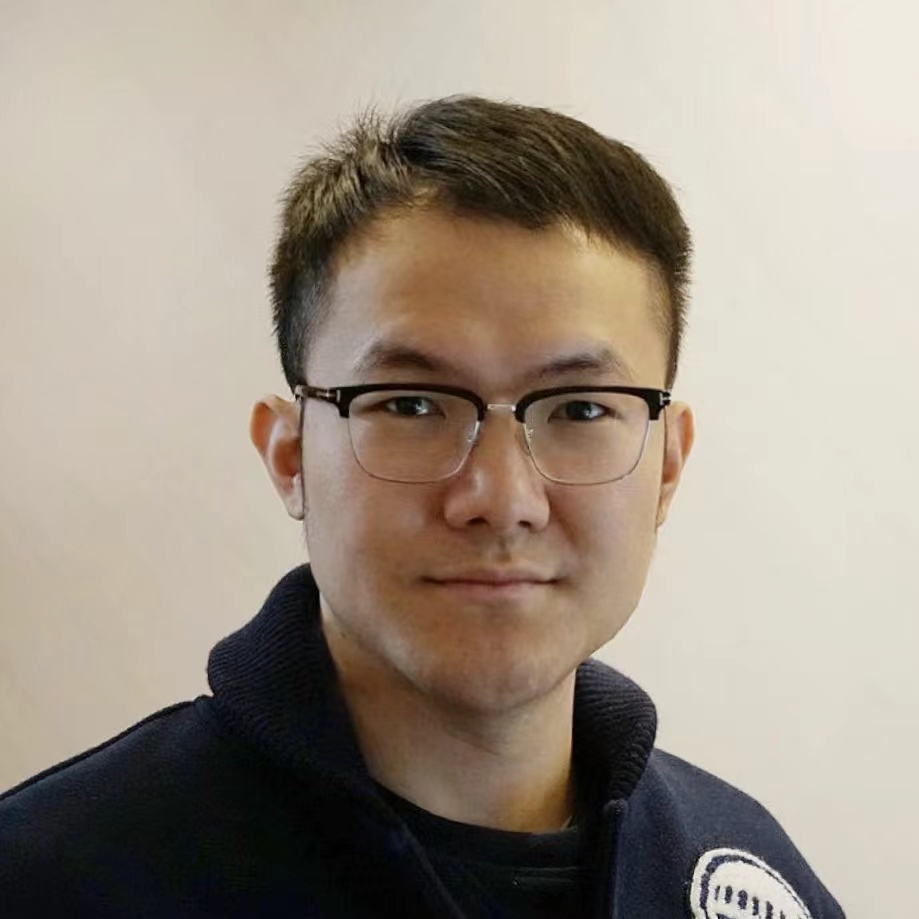
Yaodong Yang
Asst Prof (Boya Scholar), Peking AI Inst; Director, BAAI LLM Safety Center; Chief Scientist, PKU-Lingchu AI LabYang Yaodong, Assistant Professor & Boya Scholar at Institute for Artificial Intelligence, Peking University, Director of Large Model Safety Research Center at BAAI and Chief Scientist of PKU-Lingchu AI Joint Laboratory, is a High-Level Overseas Returnee certified by the Ministry of Human Resources and Social Security, awardee of National Outstanding Young Talents Program and Young Elite Scientists Sponsorship Program by CAST; his research focuses on agent interactive learning and AI alignment covering reinforcement learning, AI alignment and embodied intelligence, and he has published over 200 papers in top journals and conferences such as Nature Machine Intelligence, Cell Matter, AIJ and TPAMI with over 16,000 Google Scholar citations, ranking first among PKU AI/ML researchers on CSRanking starting from 2022 and being selected into Scopus Top 2% Scientists globally, he has received five paper honors including ACL 2025 Best Paper Award, UKRI 2026 Best Paper, ICCV 2023 Best Paper Finalist, CoRL 2020 Best System Paper Award and AAMAS 2021 Best Prospective Paper Award, and other recognitions such as MIT Technology Review AI 100 Young Innovators, Forbes China 2025 Top Innovators, WAIC 2022 Yunfan Rising Star Award and ACM SIGAI China Rising Star Award, currently working as Area Chair for ICML, ICLR, NeurIPS, AAAI, IJCAI, AAMAS, IROS and Executive Editorial Board Member of Scientific Reports, TMLR and Neural Networks, he leads more than 50 research projects sponsored by NSFC, MOST, Beijing Municipal Science & Technology Commission and industrial collaborators and has won the First Prize of Technical Invention from China Meteorological Service Association and Second Prize of Wu Wenjun AI Science and Technology Progress Award, with his research achievements reported by CCTV Focus Interview, People’s Daily, Xinhua, NSFC official website and MIT Technology Review, prior to his current appointment he held positions as Assistant Professor at King’s College London, Principal Researcher at Huawei UK Research Institute and Senior Manager at AIG, completed his undergraduate study at University of Science and Technology of China, obtained his master’s degree from Imperial College London and PhD from University College London, and was UCL’s exclusive nominee for the ACM SIGAI Outstanding Dissertation Award.
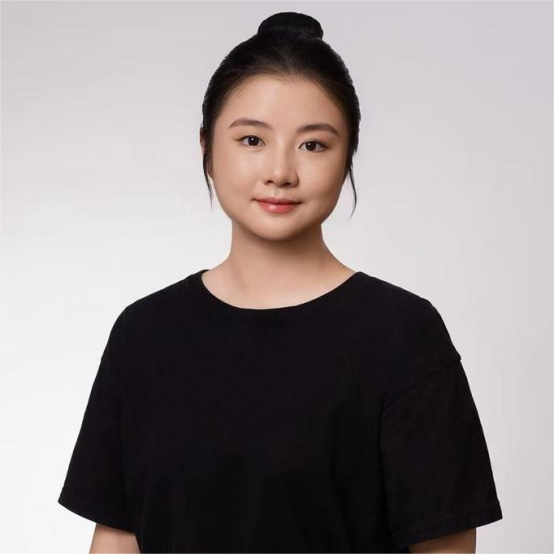
Jingwei Yi
Researcher, LLM Safety Center, Beijing Academy of Artificial Intelligence (BAAI)Yi Jingwei, Researcher at the LLM Safety Center of Beijing Academy of Artificial Intelligence (BAAI). She earned her PhD in Computer Science from the University of Science and Technology of China under the supervision of Dr. Xing Xie from Microsoft Research Asia and Professor Guangzhong Sun at USTC. Her research centers on responsible AI, focusing on the societal impacts, safety and robustness of large language models. She has delivered innovative findings covering LLM jailbreaking attacks and defenses, safety alignment and deceptive AI behaviors, and proposed representative defense approaches including Self-Reminder. Her works have been published in top journals and conferences such as Nature Machine Intelligence, ACL, KDD and EMNLP.

Jinsong Dong
Professor , Computer Science, National University of SingaporeDong Jinsong is a Professor at the National University of Singapore. His research spans formal methods for LLM-based agents, security systems, trustworthy AI, probabilistic reasoning, sports analytics, and verified LLM code synthesis. He co-founded the commercial PAT verification system, which boasts thousands of registered users across over 150 countries, as well as Silas, a commercial trustworthy machine learning platform with more than 50,000 downloads. He has authored over 200 papers published in premier journals and conferences including ICML, NeurIPS, ICLR, CVPR, ACL, AAAI, POPL, ICSE, FM and CAV and received multiple best paper awards; he has served on the editorial boards of ACM Transactions on Software Engineering and Methodology and Formal Aspects of Computing, and supervised 34 PhD students, many of whom have gone on to become tenured professors at leading global universities, and he is a Fellow of Engineers Australia. Leveraging PAT, he built Markov Decision Process models for tennis tactical analytics to support pre-match planning for professional athletes who have defeated top-ranked world players. Outside academia, he works as a tennis coach mentoring students alongside his three children, all former No.1-ranked junior players in Singapore or Australia, two of whom have secured full NCAA Division-1 athletic scholarships in the United States.
Chaozhuo Li
Associate Research Professor, Beijing University of Posts and TelecommunicationsLi Chaozhuo, Associate Research Fellow at School of Cyberspace Security, Beijing University of Posts and Telecommunications and former Lead Researcher at Microsoft Research Asia. His research focuses on trustworthy large language models and self-evolving agents. He has published over 100 papers in top international journals and CCF-A conferences, received Best Paper Awards at prestigious conferences including WSDM and PAKDD, and led teams to win championships in top international competitions such as KDD Cup. His research outcomes have been deployed in flagship Microsoft products including Bing Search and Xbox.
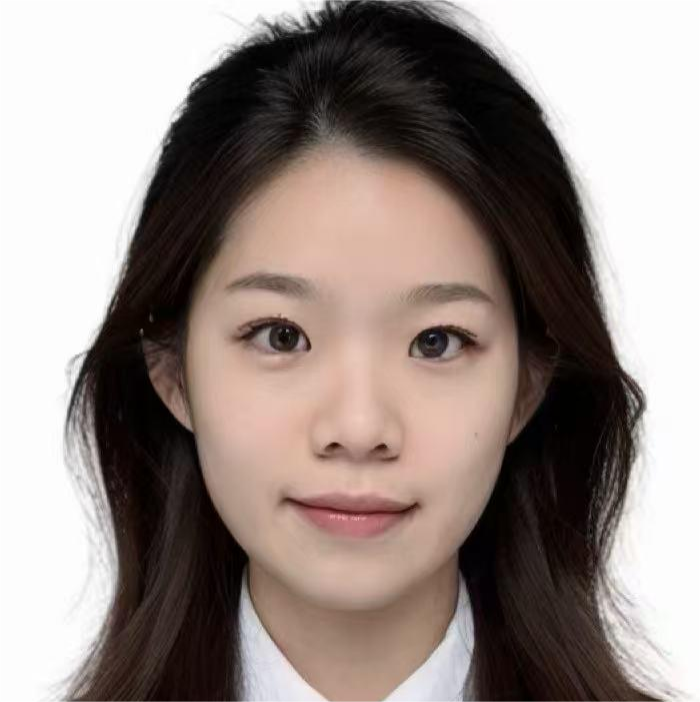
Yuping Yan
Postdoctoral Researcher, Westlake UniversityYan Yuping, Postdoctoral Researcher at Westlake University, focuses on the safety of large models, agents and embodied intelligence. She obtained her PhD from Eötvös Loránd University, Hungary in 2024, with current research interests covering agent safety, safety evaluation for multimodal large language models, and embodied AI safety. She is a recipient of the IEEE Best Paper Award and currently serves as Managing Editor of Complex & Intelligent Systems.

Jinge Wang
LLM Safety R&D EngineerWang Jinge works as an LLM Safety R&D Engineer at Anyuan AI, in charge of the company’s R&D on large model safety evaluation, and is a co-founder of the Open Community for AI Safety and Compliance (OCASC). For technological innovation and research, he holds ten domestic and overseas invention patents and was awarded the Second Prize of the Invention & Entrepreneurship Innovation Award by China Invention Association in 2021. Previously, he engaged in algorithm R&D for search engines and computer vision at Microsoft and Megvii, and conducted research under the AI Scientist Program at Westlake University. His long-term research interests cover popular science education on AI safety, systemic AI risks, AI interpretability and cutting-edge governance issues around machine consciousness.
An Zhang
Special Appointment Professor, University of Science and Technology of ChinaZhang An, Special Appointment Professor and PhD Supervisor at the University of Science and Technology of China, is a recipient of the National Young Talents Honor and the 2025 Rising Star Award for Women in Web Research. Her research interests include LLM-powered agents, personalized large language models and trustworthy AI, with a particular focus on smart campus applications, LLM safety and personalized scenarios, devoting to exploring core capabilities and properties of next-generation AGI models. She has published over 40 full papers in top-tier international conferences and journals such as NeurIPS, ICLR, ICML, WWW, KDD, SIGIR, TOIS and TPAMI, among which more than three papers are listed on highly-cited and high-impact rankings. Her Google Scholar citations exceed 4,000 with an H-index of 30.
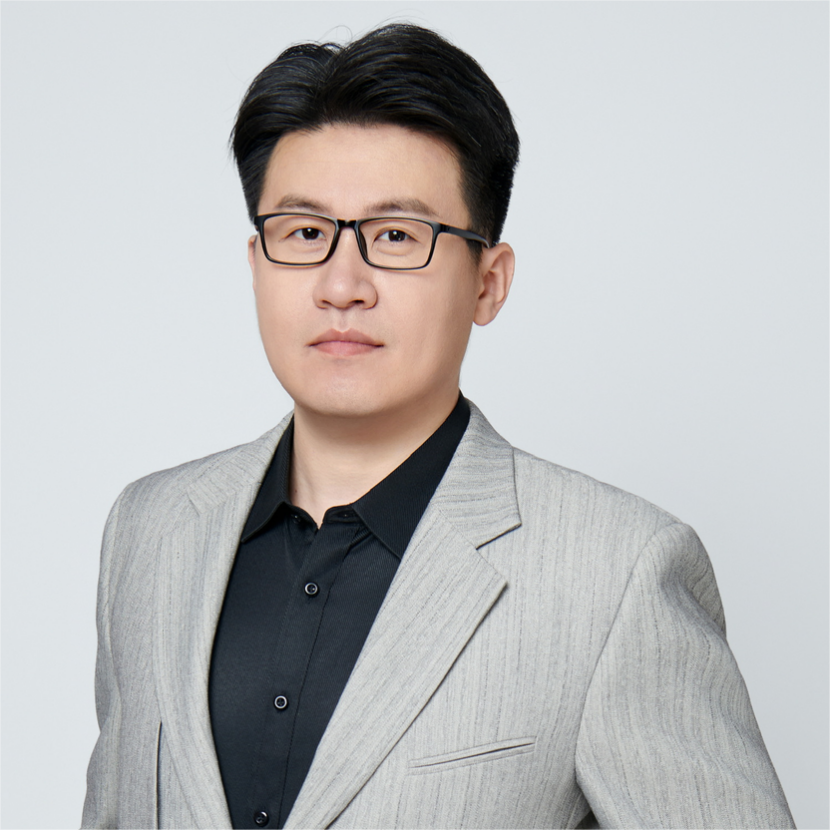
Liang Fang
Head of AI Safety Governance, Anyuan AIFang Liang serves as Head of AI Safety Governance at Anyuan AI, leading the firm’s domestic consulting services on AI policy and standard-setting, and acts as an expert on the Safety Governance Committee of the All-China Artificial Intelligence Industry Alliance (AIIA). He has participated extensively in drafting multiple national and industrial standards concerning AI safety and governance. Prior to his current role, he worked as a senior technical consultant at Baidu, promoting internal research, exchanges and industrial implementation of AI ethics and governance. Earlier in his career, he was engaged in strategic research and planning at China Unicom and AsiaInfo Data, and took part in policy formulation on AI and emerging technologies for multiple Chinese central government authorities.
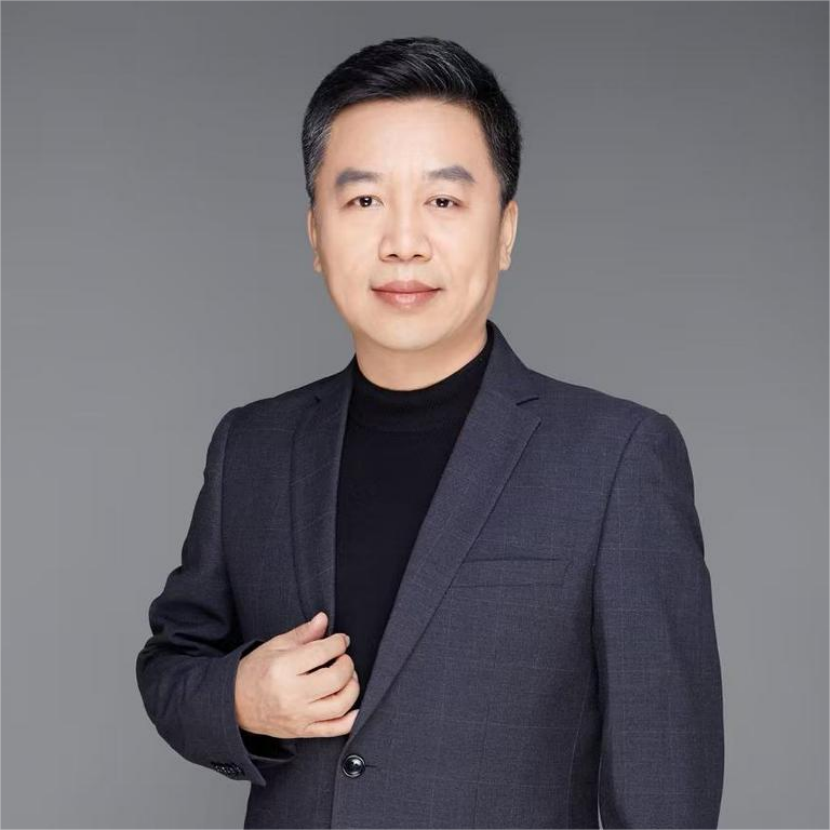
Yuejin Du
Qiushi Distinguished Professor, Zhejiang UniversityDr. Du Yuejin, Qiushi Distinguished Professor at Zhejiang University, Principal Researcher of State Key Laboratory of Blockchain and Data Security, and Director of Guizhou Big Data Security Engineering Research Center. He previously served as the founding Director of National Engineering Research Center of Cyber Security Emergency Response Technology, Vice Chair of Asia Pacific Computer Emergency Response Team, Vice President & Chief Security Expert of Alibaba Group, as well as Vice President & Chief Security Officer of 360 Group. Focused on cyber security, data security and AI safety research for decades, he has received numerous national honors including the First Class Prize of National Science and Technology Progress Award, National Candidate for the New Century Hundred-Thousand-Ten Thousand Talents Project and Special Government Allowance from the State Council.
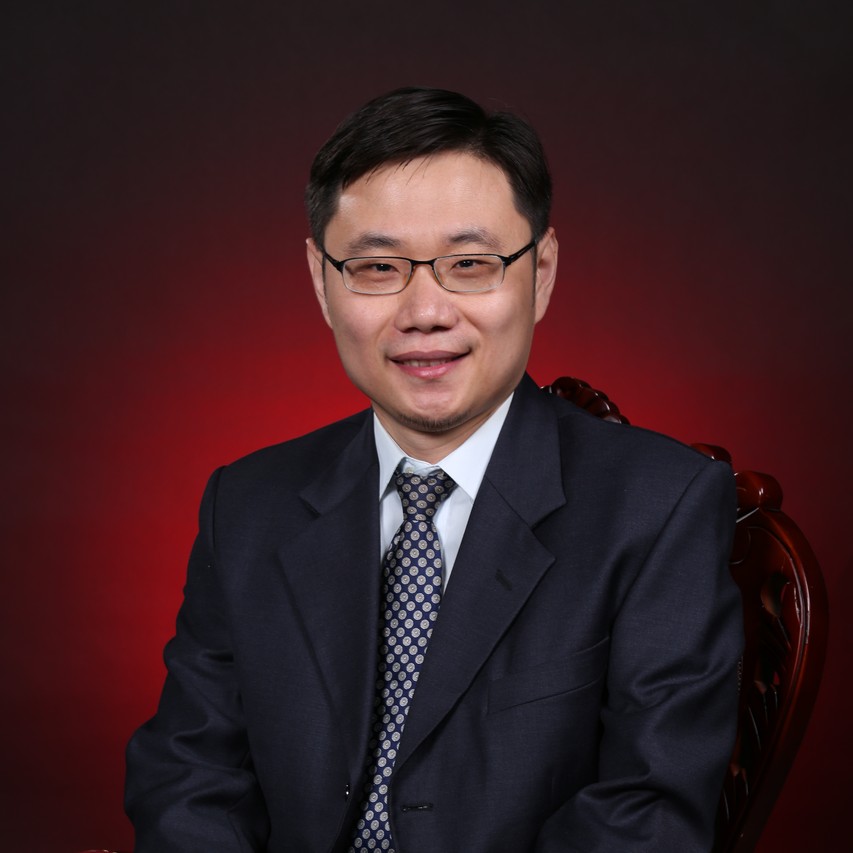
Yu Lu
Vice Dean, School of Educational Technology, BNU; Secretary-General, Beijing Expert Committee on K-12 AI EducationVice Dean of the School of Educational Technology at Beijing Normal University (BNU) and Doctoral Supervisor, Director of the Artificial Intelligence Laboratory at the Beijing Advanced Innovation Center for Future Education, and also serves as Secretary General of the Expert Committee on AI Education for Beijing Primary and Secondary Schools. He holds a Ph.D. from the National University of Singapore and previously worked at the Agency for Science, Technology and Research (A*STAR), Singapore. Professor Lu has long been deeply engaged in the field of artificial intelligence and its educational applications. He currently serves as Associate Editor for several leading international journals in AI education and has held the position of Program Committee Chair for flagship conferences in the field, such as AIED. He has led multiple projects including those under the National Key Research and Development Program of China and the National Natural Science Foundation of China, and has published over 100 papers. The intelligent education systems and AI teaching curriculum resources developed under his leadership have directly served more than 2,000 primary and secondary schools with over 900,000 teachers and students in Beijing, Guangdong, Ningxia, and other regions. His work has received numerous national and international honors, including the Springer Nature China New Development Award.
Lesong Cheng
Chair of the Department of Philosophy and Religious Studies, Peking University; Professor and Ph.D. AdvisorChair of the Department of Philosophy and Religious Studies, Peking University; Professor and Ph.D. Advisor. In 2018, he was awarded the Changjiang Young Scholar by the Ministry of Education’s Changjiang Scholars Program. In 2021 and 2022, he received the Outstanding Young Scholar Award from the Xingzheng Global Fund Teaching Award at PKU. In 2022, he also won the Special Prize for Teaching Achievement at PKU and was named a Changjiang Distinguished Professor under the Ministry of Education’s Changjiang Scholars Program.
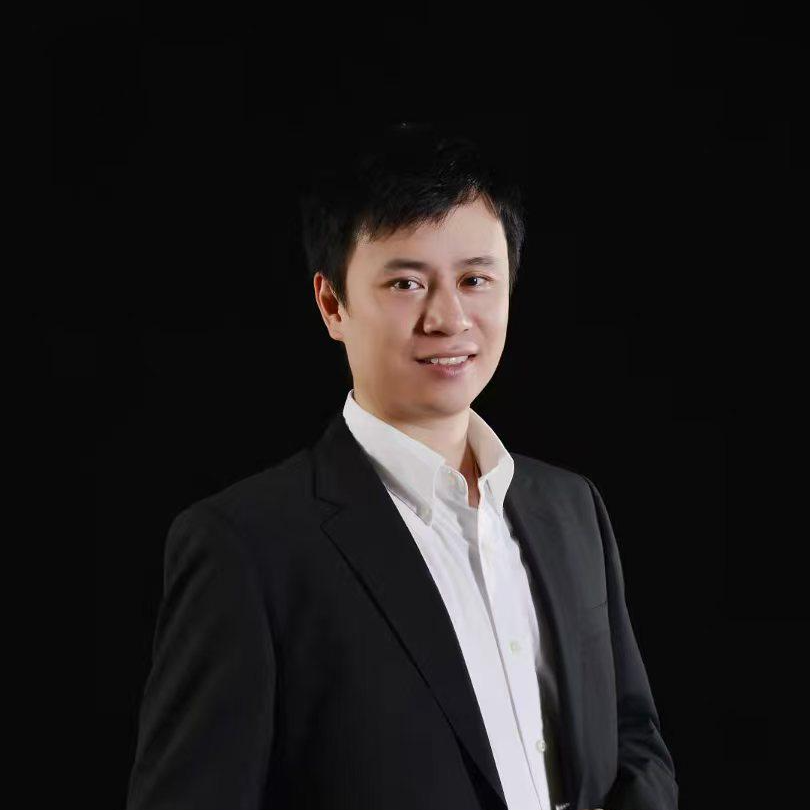
Jialiang Wang
Founder of SuperBrain AI Incubator, former Executive Director of Shanghai Jiao Tong University Industrial Innovation Institute of Technology (SJTU I3T).Mr. Jialiang Wang graduated from the Department of Electronic Engineering at Shanghai Jiao Tong University. He formerly served as Executive Director of SJTU I3T (Shanghai Jiao Tong University Industrial Innovation Institute of Technology), founded CooTek, a NYSE-listed company, and is also the initiator of SuperBrain AI Incubator, an innovative education project. He has remained active at the forefront of AI technology and education.
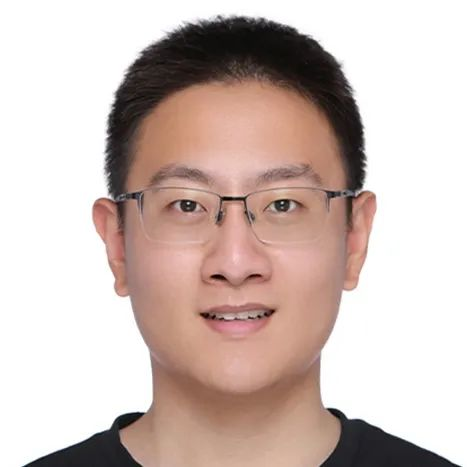
Jifan Yu
Assistant Researcher in Artificial Intelligence Education, School of Education, Tsinghua University, and member of Qingyuan Club.Dr. Jifan Yu graduated from the Knowledge Engineering Group (KEG), Department of Computer Science, Tsinghua University. He is currently an Assistant Researcher at the Institute of Education, Tsinghua University, and a member of the Qingyuan Club. He has published dozens of papers and received the ACL Best Demonstration Paper Award, the EMNLP Outstanding Paper Award, and a nomination for the CIKM Best Resource Paper Award. He was deeply involved in China's early large model "WuDao 2.0" project and served as the Director of the AIGC Center at Zhipu. As a major contributor, he received the First Prize of the Wu Wenjun Artificial Intelligence Science and Technology Progress Award in 2025. He initiated the OpenMAIC open-source project, which has achieved nearly 18,000 stars on GitHub. The project serves the National Smart Education Platform and is used by hundreds of thousands of users.
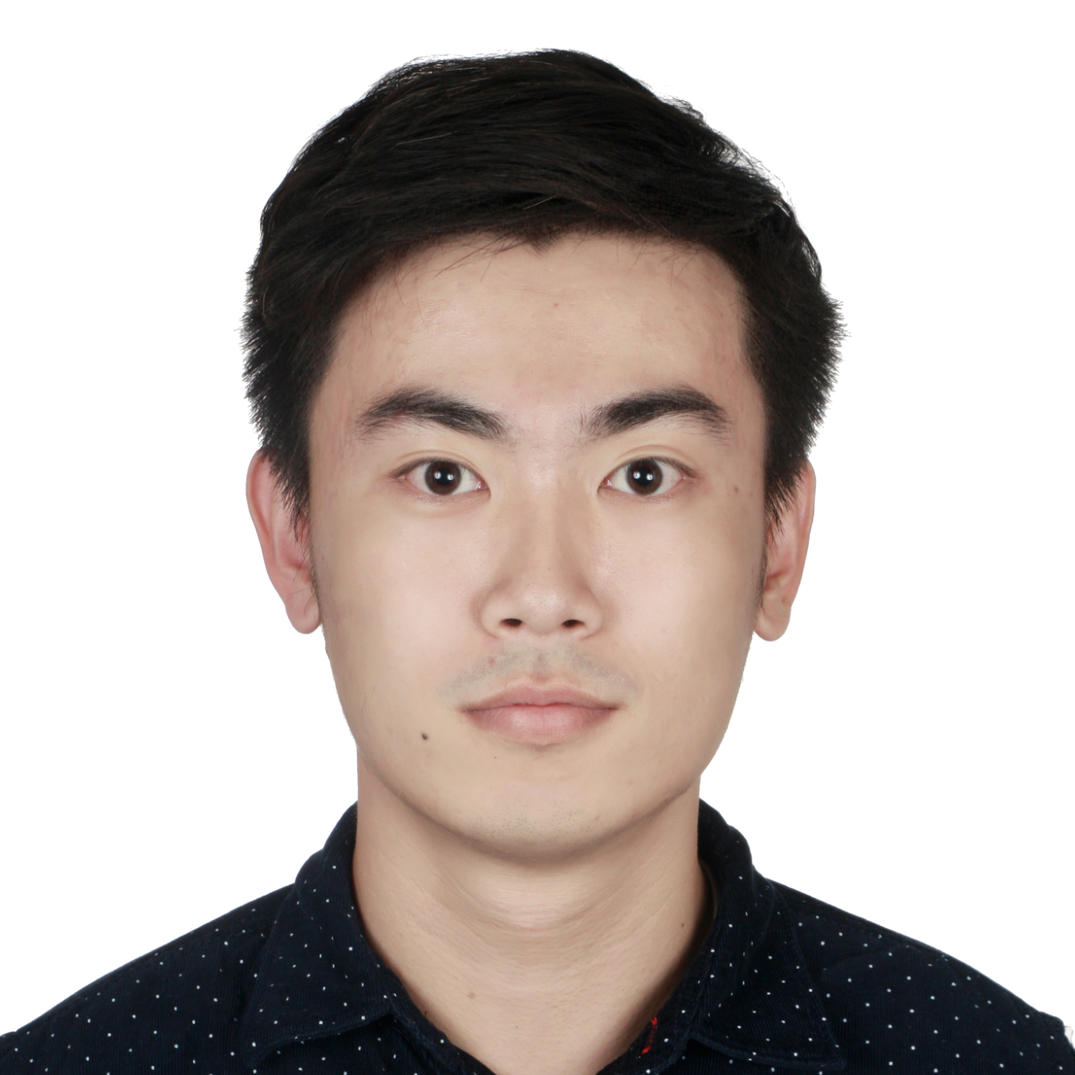
Yankai Lin
Tenure-Track Associate Professor at the Gaoling School of Artificial Intelligence, Renmin University of China (RUC).Tenure-Track Associate Professor at the Gaoling School of Artificial Intelligence, Renmin University of China (RUC). His primary research interests include pre-trained models and large language model agents. According to Google Scholar, his work has received over 18,000 citations. From 2020 to 2024, he has been consecutively recognized as a Highly Cited Chinese Researcher by Elsevier and has been included in the World's Top 2% Scientists annual list by Stanford University. His achievements have earned him the First Prize of Natural Sciences Award by the Ministry of Education of China, as well as recognition as one of the World Internet Conference's Leading Scientific and Technological Achievements (with only 15 selected globally). He currently serves as a member of the Science Committee of the CCF NOI (China Computer Federation National Olympiad in Informatics).
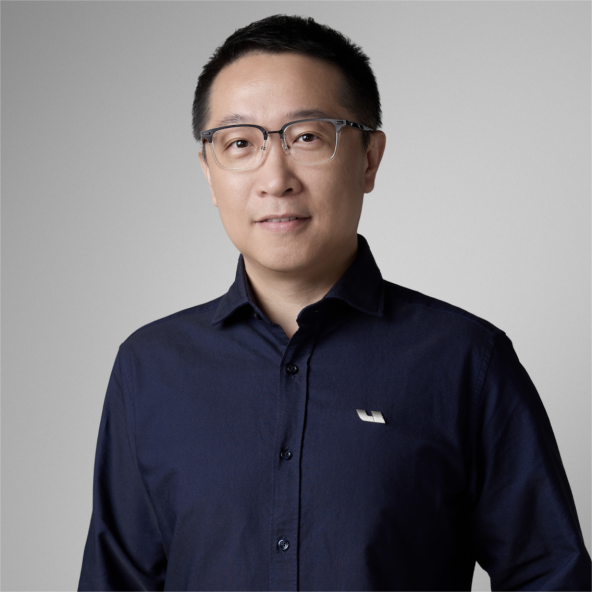
Yan Xie
CTO of Li.AutoMr. Yan Xie joined Li Auto in July 2022 and has served as CTO since December 2022. He oversees R&D and delivery of core technologies including self-developed chips, foundation models, operating systems and computing resources at Li Auto, boasting extensive seasoned experience in the tech industry.
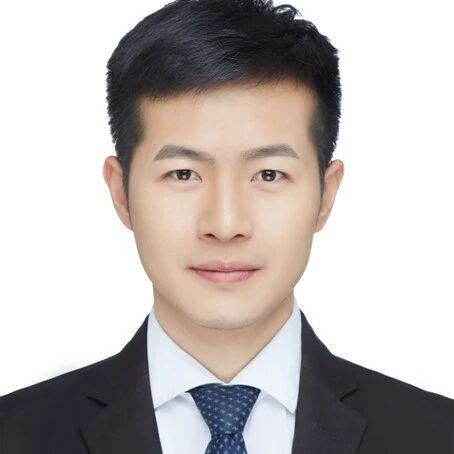
Chen Qian
Tenure-Track Associate Professor at the School of Artificial Intelligence, Shanghai Jiao Tong University (SJTU).Qian Chen, Associate Professor and Doctoral Supervisor at the School of Artificial Intelligence, Shanghai Jiao Tong University (SJTU). He received his Ph.D. from Tsinghua University in 2021. His research focuses on large language model agents and multi‑agent systems, with publications at ICML, ICLR, NeurIPS, and other top conferences. He has led research projects including the Shanghai Municipal Science and Technology Major Project and the Tencent Rhino‑Bird Program. He has been recognized by several prestigious talent programs, including Tsinghua’s “Shuimu Scholar”, Tencent’s “Technology Guru”, and the “Pujiang Young Scholar” program. He led the development of ChatDev, a multi‑agent system that pioneered the use of large language model collaboration for autonomous task solving, which has received over 30,000 stars on GitHub. As of April 2026, his Google Scholar citation count ranks first among all long papers accepted to ACL‑2024. 钱忱 翻译成英文 我们需要将“钱忱”翻译成英文名字。通常中文人名翻译为拼音,姓氏在前或者名在前。根据常见习惯,可以写为 Qian Chen 或者 Chen Qian。考虑到之前用户提供的文本中已经使用了“Qian Chen”,而且之前用户要求翻译时也采用了“Qian Chen”,所以这里应该保持一致。用户只要求翻译名字,所以直接给出即可。 “钱忱”翻译成英文为 Qian Chen(姓氏在前)或 Chen Qian(名在前,姓在后)。根据之前的上下文,通常使用 Qian Chen。

Lanzhe Guo
Tenure-Track Assistant Professor at the School of Intelligent Science and Technology, Nanjing University.Tenure-Track Assistant Professor, Distinguished Researcher, and Doctoral Supervisor at the School of Intelligent Science and Technology, Nanjing University. He is a member of the LAMDA (Machine Learning and Data Mining) Group at Nanjing University. His research focuses on neuro-symbolic learning, intelligent reasoning and planning, and intelligent agents. He has published over 50 papers in top-tier international conferences and journals such as ICML, NeurIPS, and ICLR. He has received numerous honors including the Wu Wenjun AI Science & Technology Award for Outstanding Doctoral Dissertation, Jiangsu Provincial Young Talent Support Project, Jiangsu Computer Society Young Scientist Award, and the 9th Baidu Scholarship. His representative work was recognized as one of the 100 Excellent Academic Papers in Natural Sciences of Jiangsu Province in 2024. He has led five national and provincial/ministerial level projects, as well as projects including the CCF-Baidu Pinecone Fund, CCF-Didi Gaia Fund, Xiaomi Open Project, and Huawei Frontier Collaboration Project.
Di Luo
Associate Professor, Tsinghua UniversityLuo Di is an Associate Professor in the Department of Physics at Tsinghua University and an affiliated researcher at the Institute for Advanced Study, Tsinghua University; prior to this appointment, he served as an Assistant Professor at the University of California, Los Angeles (UCLA), held an IAIFI Fellowship at the Institute for Artificial Intelligence and Fundamental Interactions (IAIFI) from 2021 to 2024 while completing postdoctoral research at the Center for Theoretical Physics of the Massachusetts Institute of Technology (MIT) and the Department of Physics at Harvard University, earned dual master’s degrees in Mathematics and Physics as well as a PhD in Physics from the University of Illinois Urbana-Champaign (UIUC) in 2021 and dual bachelor’s degrees in Physics and Mathematics from the University of Hong Kong in 2016, and completed research internships at Google Quantum AI, Vector Institute and Flatiron Institute, with his research focusing on AI for Science and quantum computing, which covers the development of artificial intelligence and quantum algorithms for scientific simulation and discovery across quantum materials, high-energy physics and quantum information, alongside the construction of AI theories and models grounded in quantum and statistical physics.
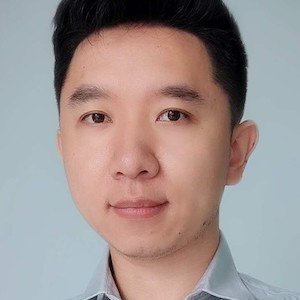
Yuanchun Li
Assistant Professor at the Institute for AI Industry Research (AIR), Tsinghua UniversityHis primary research focuses on on-device intelligence and edge computing. He has led and participated in multiple national-level projects, including those funded by the National Natural Science Foundation of China (NSFC) and the Ministry of Science and Technology's Key R&D Program. He has published over 50 papers in top-tier conferences and journals. His research work has received honors such as Best Paper Nomination and Best Tool Award at academic conferences including UbiComp and MobiSys, the ACM SIGBED China Rising Star Award, and the First Prize of Scientific and Technological Progress from the Chinese Association of Automation.
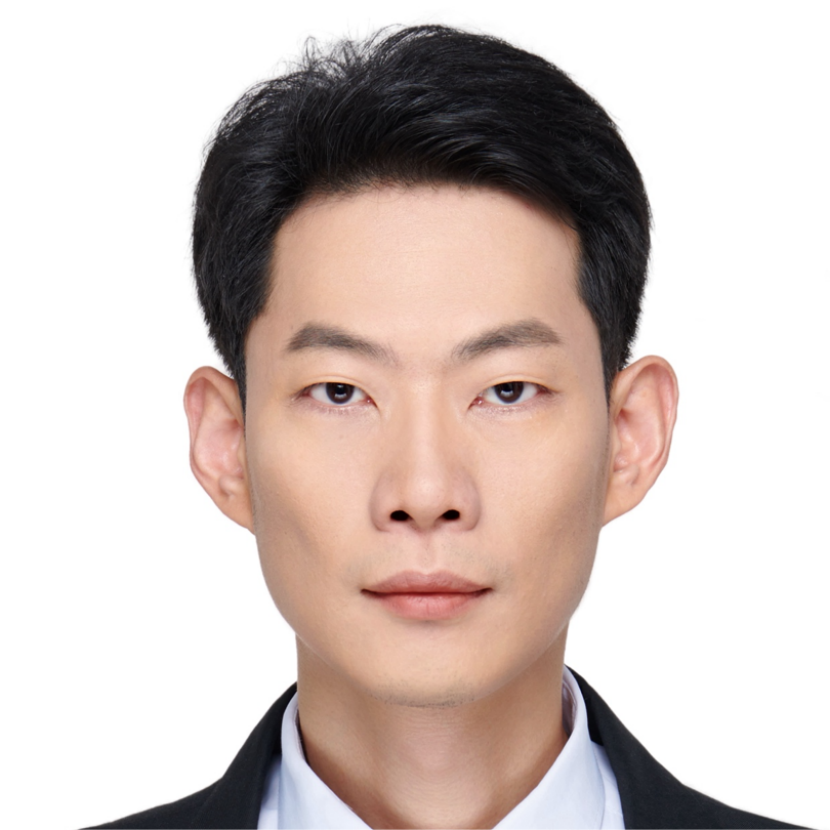
Kai Chang
Executive President, Beijing Academy of Quantum Information SciencesResearcher Chang Kai received his bachelor’s degree from Shandong University in 2009 and PhD from Tsinghua University in 2015; he worked as a postdoctoral researcher at the Max Planck Institute of Microstructure Physics in Germany from 2015 to 2019 before joining Beijing Academy of Quantum Information Sciences as a Researcher in 2019, where he has successively served as Assistant to the President and Executive President. His long-term research centers on low-dimensional quantum material heterostructures for quantum computing. He has authored over 40 papers published in journals including Science with more than 5,000 total citations. He serves as the Principal Investigator of the Key Project under the Science and Technology Innovation 2030 Program: Quantum Communication and Quantum Computers, Member of the Youth Committee of Chinese Electron Microscopy Society, Secretary-General of Zhongguancun Quantum Industry Alliance and Director of Beijing Overseas High-Caliber Talents Association. He was funded by the National High-End Overseas Talents Program and awarded the 2024 Zhongguancun Outstanding Young Scholar Prize of Beijing.
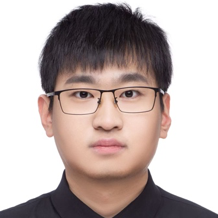
Jian Yang
Associate Professor, School of Computer Science and Engineering, Beihang UniversityAssociate Professor at the School of Computer Science and Engineering, Beihang University, and Dual-appointed Associate Researcher at Shanghai AI Laboratory. His research interests include pre-training, post-training, agents, and evaluation of code large language models. He received his Ph.D. in Computer Science from Beihang University in 2023, supervised by Professor Zhou Jun Li and Dr. Ming Zhou. He was a joint Ph.D. student between Beihang University and Microsoft Research Asia (MSRA), where he won three championships at WMT 2021 during his doctoral studies. After graduation, he joined the Alibaba Tongyi Qianwen team as an Alibaba Star (阿里星), serving as a core contributor to the Qwen and QwenCoder series, where he was responsible for code capability building and model development. He has published over 100 papers in top-tier conferences such as ICLR, NeurIPS, ACL, and EMNLP, with 30+ papers as first or corresponding author, and has accumulated 25,000+ Google Scholar citations. He serves as a Senior Area Chair / Program Committee Member for international conferences including NeurIPS, ARR, and AAAI. He maintains academic collaborations with Tsinghua University, Peking University, CMU, and Shanghai AI Laboratory, as well as industry collaborations with Alibaba, ByteDance, and Meituan.
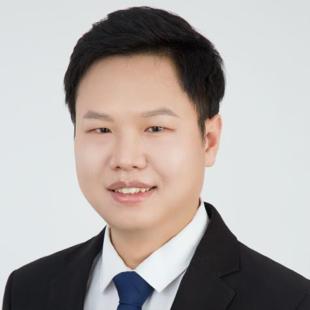
Yulong Ao
Head of AI Framework R&D at BAAIAo Yulong serves as Team Lead of the AI Framework R&D Team at Beijing Academy of Artificial Intelligence (BAAI), a postdoctoral researcher at Peking University and holder of a PhD from the Chinese Academy of Sciences. He is currently in charge of the development of FlagScale (the large-model training and inference framework), FlagCX (the unified communication library) and the plugin ecosystem within FlagOS, BAAI’s open-source unified AI software stack, and was the first in the industry to propose industrially viable technical solutions for cross-chip heterogeneous hybrid training and heterogeneous inference of large models. Focusing long-term on distributed systems and performance optimization spanning artificial intelligence, high-performance computing and scientific computing, he previously worked at Huawei and Baidu and took part in core R&D for multiple large-model systems. In 2016, he was a core contributor to China’s inaugural ACM Gordon Bell Prize-winning work. His research findings have been published in top-tier international conferences and journals; he holds numerous authorized patents at home and abroad and has participated in formulating national and international standards for operator interfaces, communication libraries and related specifications.
Wei Liu
Researcher in Quantum-AI System Integration, BAAIDr. Liu Wei leads the quantum computing track for the open-source FlagOS ecosystem. He spearheads end-to-end quantum-classical fusion R&D tailored for domestic computing infrastructure, covering unified programming interfaces, quantum intermediate representation and compilers, CPU/GPU/QPU heterogeneous collaboration as well as distributed systems, and is committed to empowering next-generation artificial intelligence via deep integration of quantum computing.
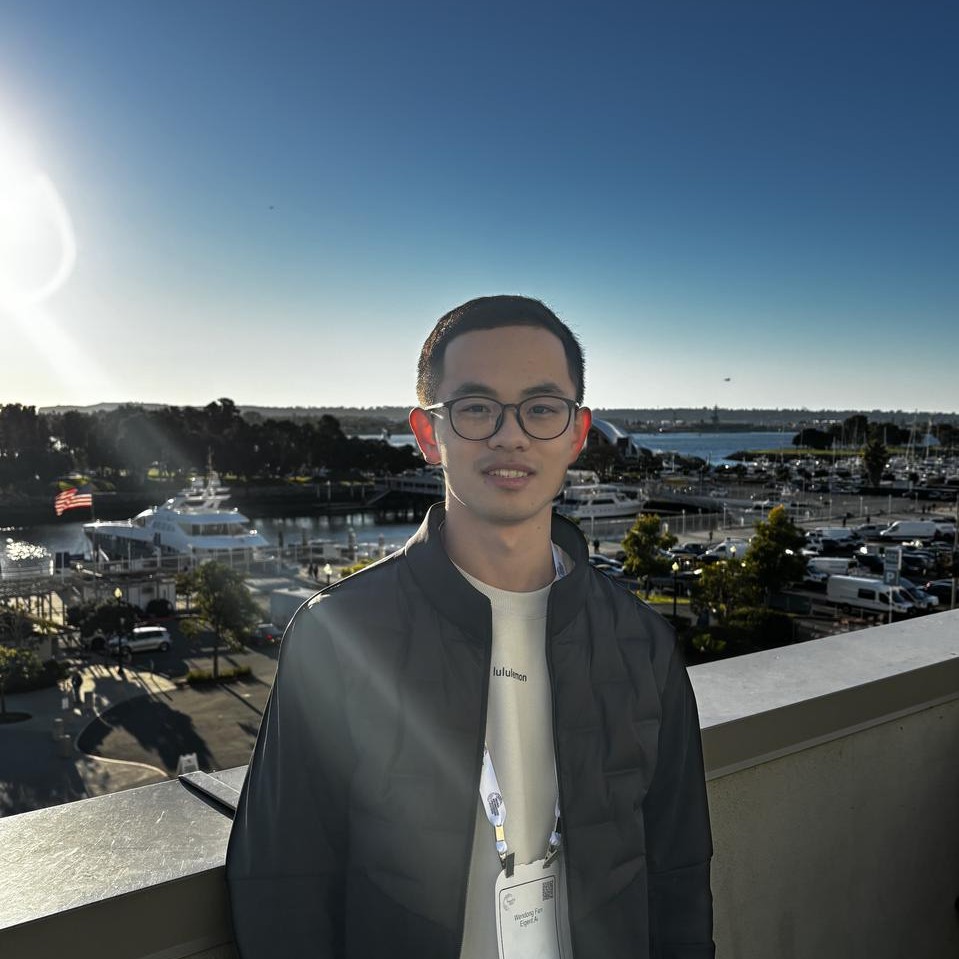
Wendong Fan
Technical Lead of CAMELWendong Fan is an AI engineer and tech lead specializing in generative AI and agentic systems. As a core maintainer and major contributor to open‑source projects such as CAMEL, OWL (NeurIPS 2025, #1 on GAIA Benchmark), and Eigent — together accumulating over 50k stars on GitHub — he has helped shape the foundational paradigm for autonomous agent collaboration. His R&D focuses on three critical dimensions of agent systems: framework architecture, data, and environment. In addition to iterating on multi‑agent collaboration frameworks, he has built verifier‑based synthetic data pipelines at scale (e.g., the Loong project) to address data bottlenecks in agent training. On the environment side, he has contributed to containerized sandbox‑based large‑scale agent environments (e.g., SETA, Toolathlon‑Gym), which support complex task execution, evaluation, and closed‑loop training for supervised fine‑tuning (SFT) and reinforcement learning (RL). Drawing on his hands‑on experience in supply chain, production, and sales, he is committed to advancing agent technologies across the full spectrum — from open‑source ecosystem development and cutting‑edge academic research to real‑world deployment.
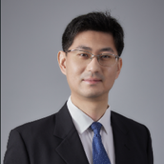
Yun Lin
Asso Prof and Deputy Head, School of Computer Science, SJTUYun Lin, Associate Professor and Deputy Head of the Department of Computer Science and Technology, Shanghai Jiao Tong University (SJTU), Ph.D. Supervisor. He was formerly an Assistant Professor (Research Track) at the National University of Singapore (NUS). He is a recipient of the National Overseas Outstanding Young Talents Program (国家海外高层次青年人才计划) and the Huawei x-explore Talent Program. His research interests include automated program synthesis, explainable AI, and cyber fraud detection. He received the Distinguished Paper Award at ICSE 2018 and multiple Prototype Research Awards at the China Software Congress. He serves as a Program Committee Member for major international conferences including ICSE, FSE, and USENIX Security. He has led research projects funded by the National Natural Science Foundation of China (NSFC) (Overseas Excellent Young Scholars Program and General Program) and multiple industry-university collaborations. His automated programming techniques have been deployed in the Doubao Code Model and the Trae IDE, while his GUI testing research has been selected as an outstanding case study by the China Academy of Information and Communications Technology (CAICT).
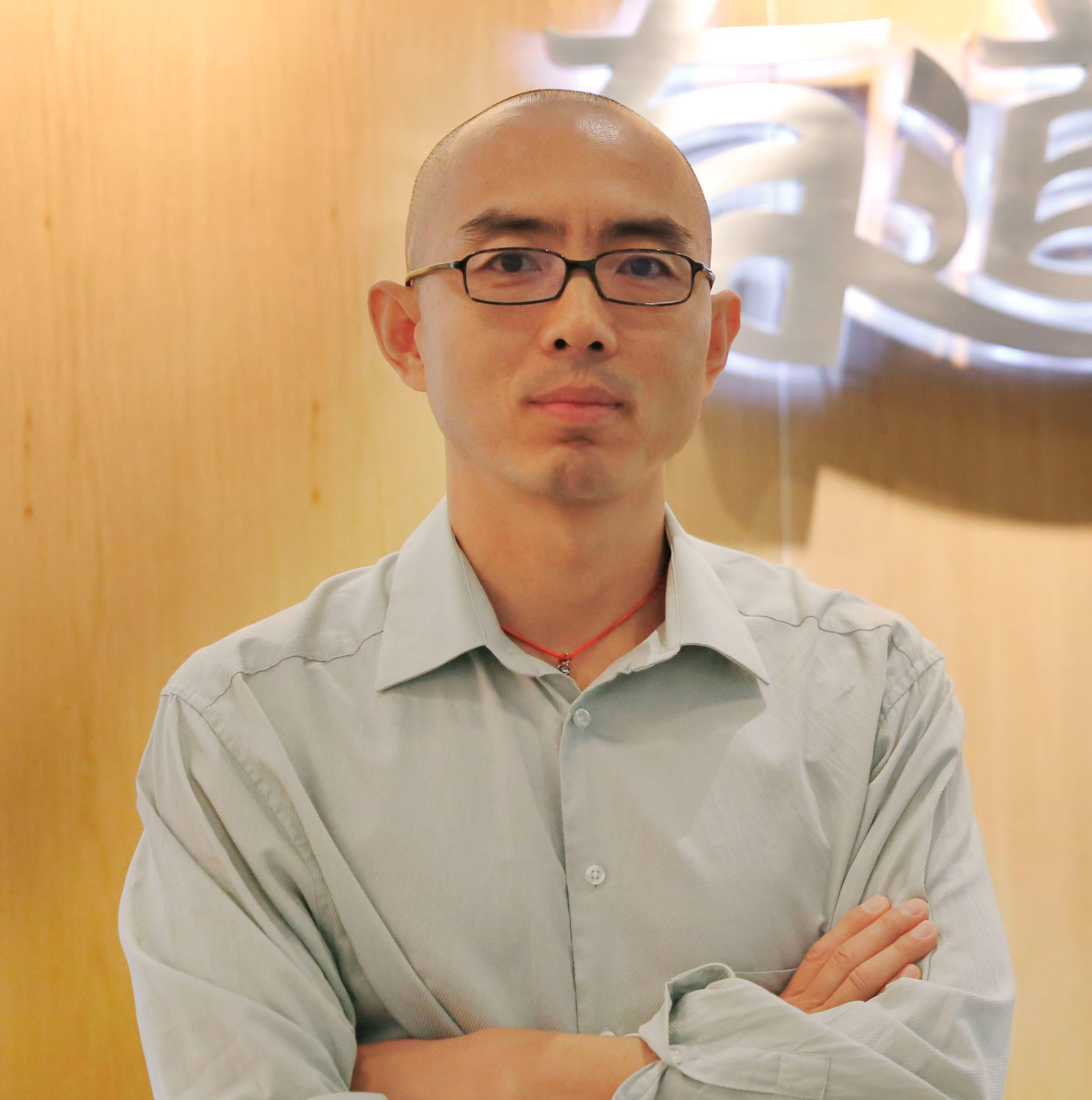
Yitao Duan
Chief Scientist at NetEase YoudaoDuan Yitao, Chief Scientist at NetEase Youdao, holds a Ph.D. in Computer Science and serves as the technical lead for artificial intelligence projects under the National Development and Reform Commission (NDRC). He received his Ph.D. in Computer Science from the University of California, Berkeley in 2007. His research focuses on the application of cutting‑edge AI technologies, particularly deep learning, in the Internet industry, including machine translation and image recognition. In recent years, he has led the R&D of core technologies such as Youdao’s neural machine translation (YNMT) and has published over 40 papers in top international conferences and journals. In 2023, he led his technical team to develop a vertical‑domain large language model, successfully launching “Ziyue” (子曰), China’s first educational LLM.
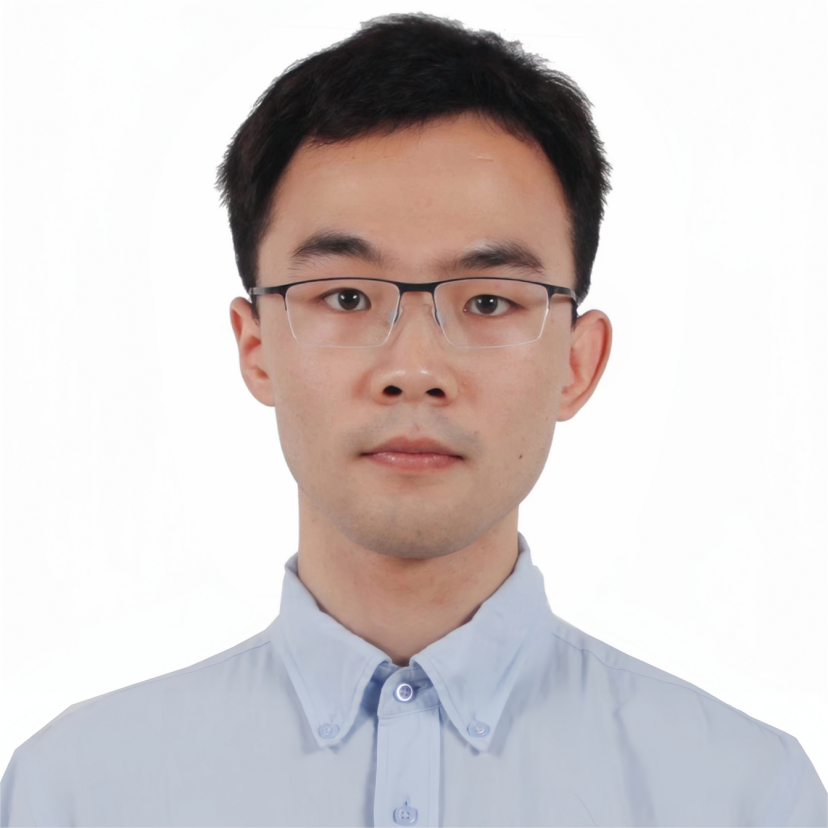
Mingxing Zhang
Associate Professor , Tsinghua UniversityAssociate Professor Zhang Mingxing, Tsinghua University, focuses his research on memory systems and is the initiator of open-source projects Mooncake and KTransformers. He has published more than 40 papers in top-tier international conferences and journals including OSDI, SOSP, ASPLOS, HPCA and EuroSys, among which are the FAST Best Paper, SIGSOFT Distinguished Paper, and the first OSDI paper from a Chinese university. His academic honors include the ChinaSys Rising Star Award, ChinaSys Outstanding Dissertation Award and IEEE TCSC Outstanding PhD Dissertation Award. He has been selected for the Young Faculty Research Innovation Support Program of the Ministry of Education (U40 Program) and the Young Elite Scientists Sponsorship Program by CAST, and serves as the principal investigator for a sub-project of the National Key R&D Program of China. Previously, he was Chief Algorithm Expert and Dean of the Innovation Research Institute at Sangfor Technologies, where incubated products have served tens of thousands of enterprise customers worldwide.
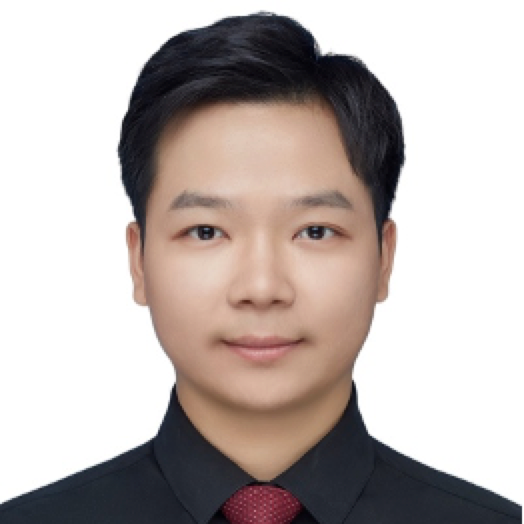
Yuyu Luo
香港科技大学(广州)助理教授、香港科技大学联署助理教授Assistant Professor, HKUST (Guangzhou) & HKUSTAssistant Professor at HKUST (Guangzhou), with a joint appointment as Assistant Professor at HKUST (Hong Kong). Ph.D. Supervisor. His research interests include autonomous agents and Data-centric AI. He has published 60+ papers in top-tier conferences such as SIGMOD, VLDB, ICML, ICLR, and KDD. His ongoing research projects include National Science and Technology Major Project topics and NSFC Young Scientists Fund projects. He is a recipient of the WAIC Yunfan Award (世界人工智能大会云帆奖), Forbes China 30 Under 30, Tsinghua University Special Award (清华特奖), Best-of-SIGMOD 2023 Papers, Huawei Spark Award (华为火花奖), and Tsinghua / CCF Outstanding Doctoral Dissertation Award (清华/CCF优博). He leads the open-source agent projects DeepEye and OpenManus (55,000+ Stars on GitHub), which won the Silver Medal at the Geneva International Exhibition of Inventions. He is the Workshop Chair of the VLDB 2026 Agentic Data System Workshop, and the Track Chair of the KDD Cup 2026 Data Agent Track — the first time a KDD Cup track has been independently hosted by a Chinese university. Personal homepage: https://luoyuyu.vip/
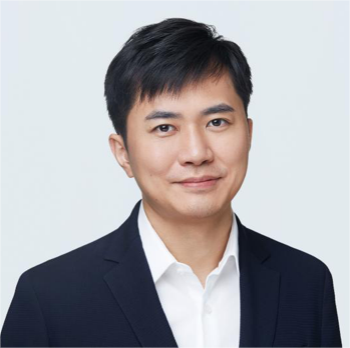
Yu Wang
Professor Yu Wang Dept. EE of Tsinghua University, IEEE Fellow, Promoter of INFINIGENCEWang Yu is a tenured professor at the Department of Electronic Engineering, Tsinghua University. He is an IEEE Fellow, a recipient of the National Science Fund for Distinguished Young Scholars, and the Director of the Beijing Key Laboratory of Heterogeneous Interconnected Sustainable Intelligent Computing Power Chips and Systems. His research interests include energy-efficient AI circuit and system, AI software-hardware co-design, intelligent multi-agent system, and reinforcement learning algorithm and infrastructure. Yu Wang has published more than 90 journals (64 IEEE/ACM journals) and 270 conference papers in the areas of AI algorithm, computer architecture, EDA, VLSI Design, and Embedded Systems, with the Google Scholar citation over 30,000. He has received 5 best paper awards and 13 best paper nominations. Yu Wang has been an active volunteer in the design automation, VLSI, and FPGA conferences. Wang Yu is also a successful entrepreneur. He co-founded Deephi Tech, a leading deep learning solution provider acquired by Xilinx (AMD) in 2018. He is the promoter of INFINIGENCE, a world leading Agentic AI Infrastructure provider to empower AGI adoption across all industrial.
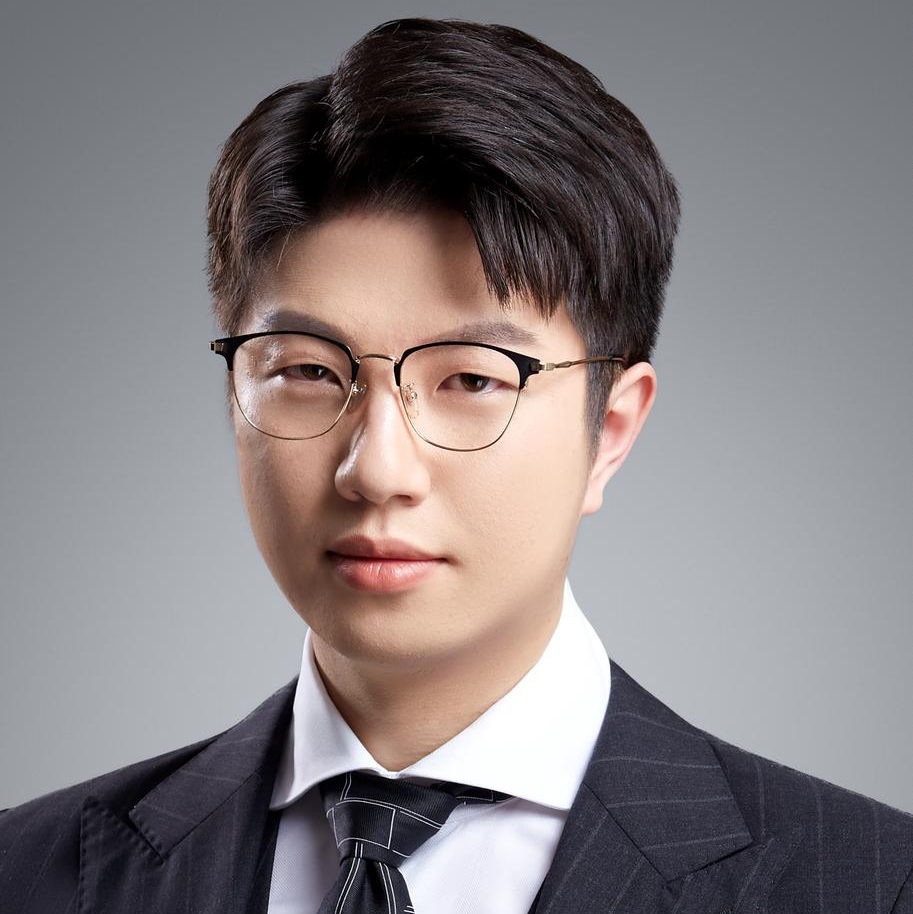
Yuxuan Li
Postdoctoral Fellow, Tsinghua UniversityYuxuan Li, Shuimu Scholar (水木学者) Postdoctoral Fellow at Tsinghua University, with a Ph.D. in Computer Science (High-Performance Computing). He was admitted to Tsinghua via NOI (National Olympiad in Informatics) recommendation. He has competed in seven international supercomputing competitions, winning five championships, including World Champion titles at ISC'17 and ASC'17. He formerly served as the Core Technical Lead at the National Supercomputing Center in Wuxi (Sunway TaihuLight), where he designed the core simulation algorithms for the "Jiuzhang" photonic quantum computer, contributing to China's first realization of "quantum supremacy" — with results published as a co-author in Science. He previously served as the Tech Lead (No. 1) in building an autonomous computing foundation for domestic AI chips from scratch. He is currently a co-first author of the MiniCPM series models, with a forward-looking focus on "AI for AI" — leveraging agents to drive fully automated R&D of large language models across the entire lifecycle. He has co-authored 30+ top-tier international papers, with 5,000+ Google Scholar citations. His honors include the China Youth May Fourth Medal (Collective) and the Jiangsu Province "U35 Exploration Award".

Jingqiu Li
Product Principal Architect of Baidu DuMateSenior AI Product Architecture Expert with extensive experience in AI Agent and large language model applications, having led the architecture design and implementation of multiple AI products. As the Product Principal Architect of Baidu DuMate, he is fully responsible for the overall product architecture design and development planning. He leads the construction of the Agent capability system, user interaction design, and scenario-specific feature implementation, driving innovative applications of Baidu DuMate in areas such as intelligent office, knowledge management, and automated workflows, aiming to create a new-generation super AI assistant.
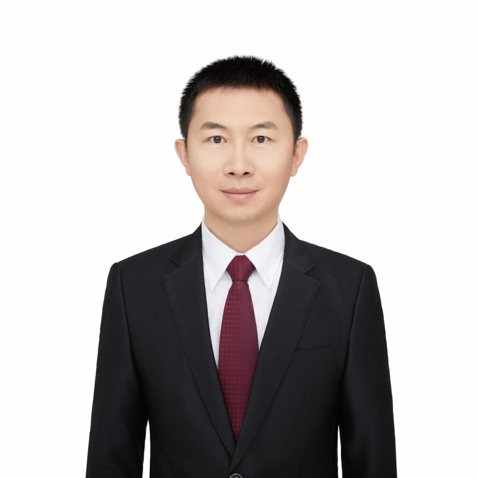
Chunlei Men
Head of AI System Research Team in BAAISenior Engineer Men Chunlei has long focused on the R&D and innovation of core infrastructure including intelligent computing scheduling platforms, AI compilers and AI chips, with 13 granted invention patents to his credit. Drawing on extensive experience as technical supervisor and specialist at multiple leading internet enterprises, he has led multiple end-to-end core technology breakthroughs from scratch and facilitated large-scale industrial deployment of cutting-edge AI technologies in practical business scenarios.
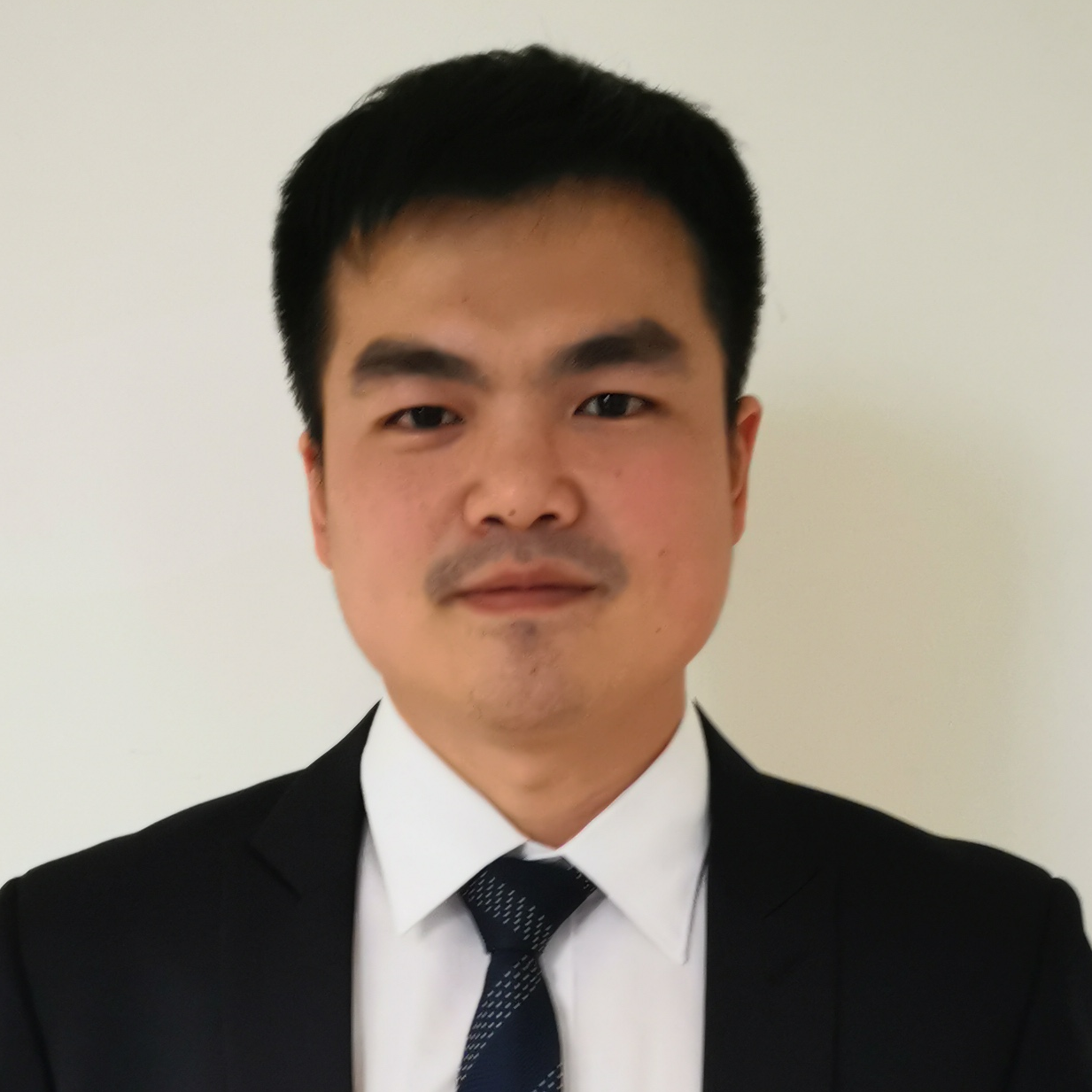
Hinus
Deputy GM, Software Dept., Moore ThreadsHe has long been engaged in research on operating systems and compilers. He currently leads compiler R&D at Moore Threads. He previously led the development of Bisheng JDK and other products, providing high-performance Java language compilers for domestic chips. He also led the development of the Moore Threads Compiler (MTCC) and the Triton language compiler Triton-MUSA, among other products. He has published books including "Building a Python Virtual Machine from Scratch" (《自己动手写Python虚拟机》) and "Writing a Linux Kernel from Zero" (《从零开始写Linux内核》).

Shengjie Wang
Senior Product Expert at Tencent CloudShengjie Wang, Head of Developer AI Products at Tencent Cloud, Chief Product Manager, and Senior Technical Product Expert at Tencent, responsible for Tencent CodeBuddy. Previously, he led products such as Cloud Studio and Coding DevOps. He has also served as Product Director at Teambition, Expert Engineer and Architect at Autodesk, Development Lead for SuccessFactors HCM, Database Expert Engineer at Sybase, and Core Developer of PowerDesigner. He brings extensive industry experience in software architecture design, product management, project engineering management, team agility, and AI‑driven development efficiency.
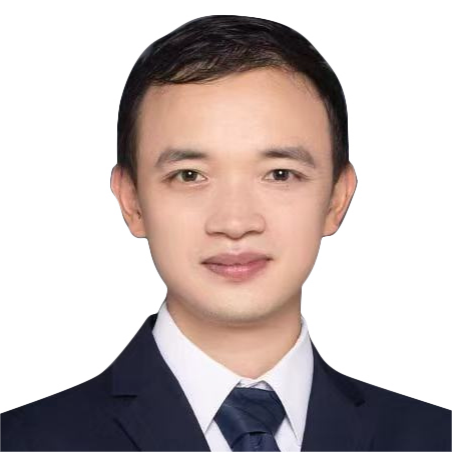
Xibin Wu
verl Maintainerverl Maintainer , dedicated to developing large-scale LLM reinforcement learning frameworks, responsible for technical architecture iteration and open-source community maintenance; Contributor to open-source projects including Ray and OpenRLHF.
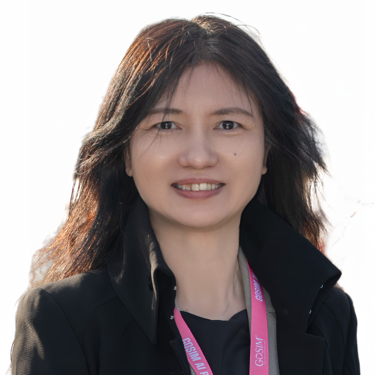
Yonghua Lin
the Vice President and Chief Engineer of Beijing Academy of Artificial IntelligenceYonghua Lin is the Vice President and Chief Engineer of Beijing Academy of Artificial Intelligence, responsible for responsible for AI System, foundation technologies for large model, and industry ecosystem cooperation. She is member of IEEE Women in Engineering Asia Pacific Leadership Team. Formerly the Director of IBM China Research Lab and Distinguished Engineer at IBM, she led global AI system innovation within IBM. She has been engaged in research on system architecture, cloud computing, AI systems, computer vision, and other fields for nearly 20 years. She holds over 50 global patents and has won the ACM/IEEE Best Paper awards. She was named one of the "50 Leading Female Tech Leaders in China" by Forbes in 2019.
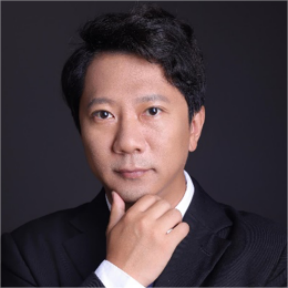
Zhi Yang
Associate Research Professor, Peking UniversityAssociate Research Fellow Yang Zhi, School of Computer Science, Peking University and Doctoral Supervisor, a recipient of the National High-level Young Talent Program. His research has long centered on deep learning systems and compilation optimization, focusing on high-performance computing, operator generation and distributed scheduling. He has published numerous papers at top international conferences including OSDI, ATC, EuroSys and SIGMOD, and received honors such as the VLDB Best Paper Award and WWW Best Student Paper Award.
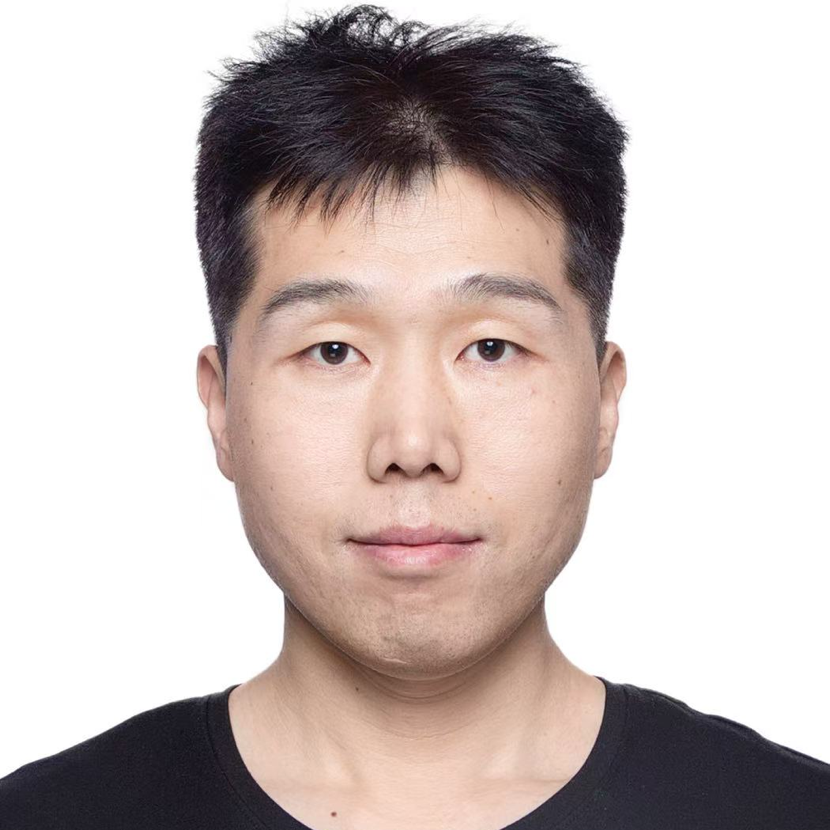
Jie Zhao
Professor at the School of Computer Science, Hunan University, and Ph.D. SupervisorJie Zhao, Professor at the School of Computer Science, Hunan University, and Ph.D. Supervisor. He is a recipient of the National Young Talent Program, ZhiYuan Scholar (智源学者), Yuelu Scholar at Hunan University, and Distinguished Young Scholar at Renmin University of China. He has successively led projects including the National Natural Science Foundation of China (NSFC) Excellent Young Scientists Fund, Regional Innovation Development Fund Key Project, Young Scientists Fund, and National Key R&D Program sub-projects. He is a Senior Member of CCF, Executive Committee Member of the CCF Technical Committee on Computer Architecture, and Technical Committee Member of the Huawei MindSpore Community. His awards include the Second Prize of Military Science and Technology Progress Award, ACM SIGHPC Rising Star Award, and Second Prize of the Zhongyuan Expert Think Tank Contribution Award. Jie Zhao graduated with a B.S. in Computer Science and Technology from Tsinghua University in 2009, and received his Ph.D. from École Normale Supérieure (ENS) and INRIA in 2019. His main research interests include deep learning systems, compiler code generation and optimization, and numerical program analysis. He has published multiple papers as first author in CCF Class A conferences and journals in the fields of system software, computer architecture, and compilers.
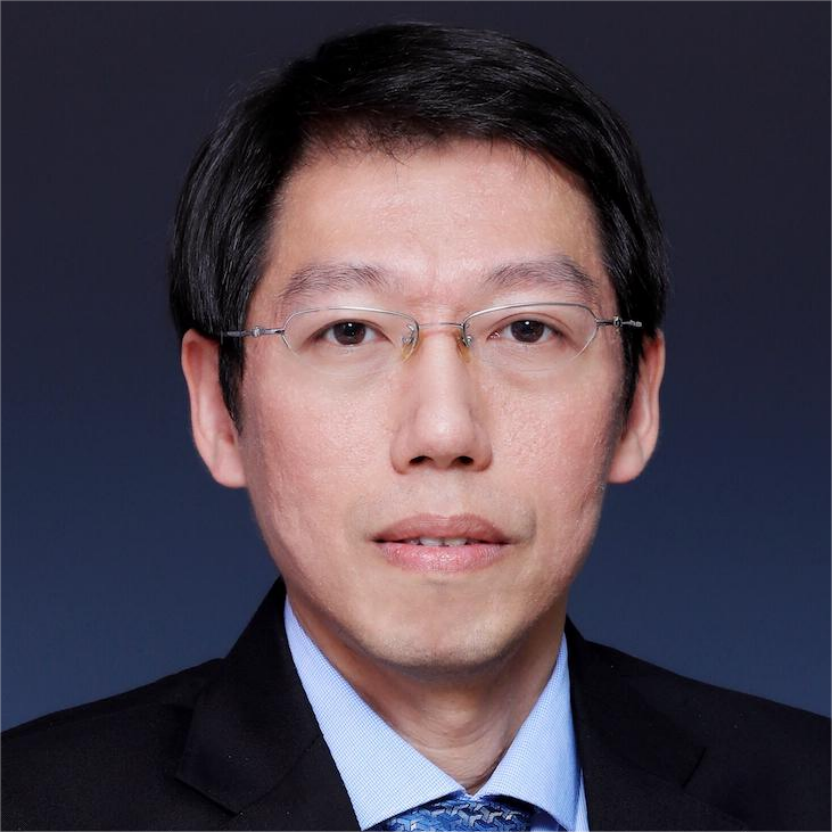
Shouyi Yin
Professor, School of Integrated Circuits, Tsinghua UniversityShouyi Yin received the B.S., M.S., and Ph.D. degrees in electronic engineering from Tsinghua University, Beijing, China, in 2000, 2002, and 2005, respectively. He has worked with Imperial College, London, U.K., as a Research Associate. He is currently a full professor and the dean of School of Integrated Circuits in Tsinghua University. His research interests include reconfigurable computing, AI processors, compute-in-memory and wafer-scale chips. He has published more than 200 journal and conference papers. He has served as technical program committee member in the top VLSI and EDA conferences such as ISCA, MICRO, HPCA, DAC, ICCAD, ASPDAC, FPGA and A-SSCC. He is the associate editor of ACM TRETS and Integration, the VLSI journal. He is a fellow of IEEE.
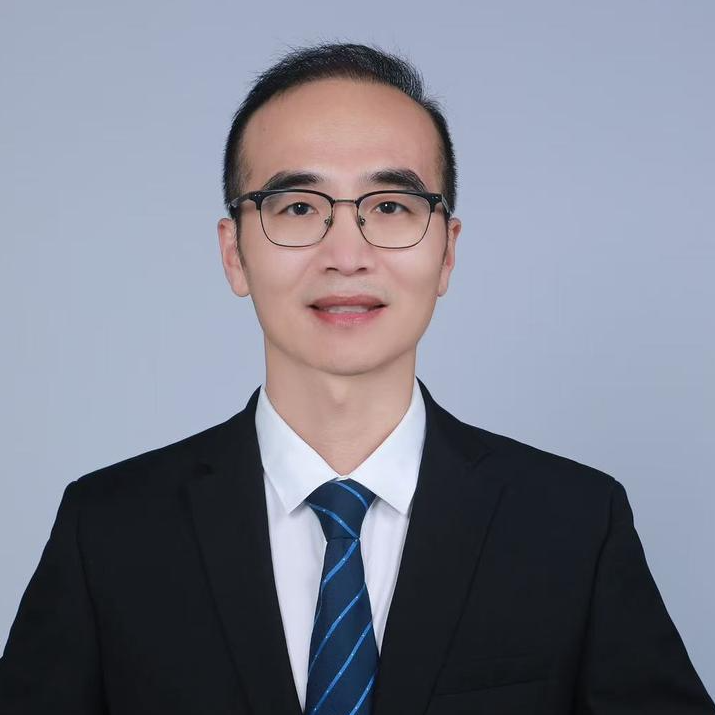
Shouping Li
General Manager of Basic Software Business for Ascend Computing.He is responsible for competitiveness building and open-source engagement of foundational software including CANN and Mind; he has over 20 years of experience in the ICT domain, and has continuously led Ascend foundational software business in the AI field for the past 7 years.

Alex Nails
Core Maintainer of SGLang, Member of Technical Staff, Multihardware Lead, RadixArkAlex Nails is the lead of MultiHardware as a Member of Technical Staff at RadixArk. Alex is a maintainer of the open source inference framework SGLang and has conducted research at the Berkeley Artificial Intelligence Research (BAIR) Lab. His work spans heterogeneous hardware, machine learning systems, and real-time machine learning applications, with a deep interest in performance.
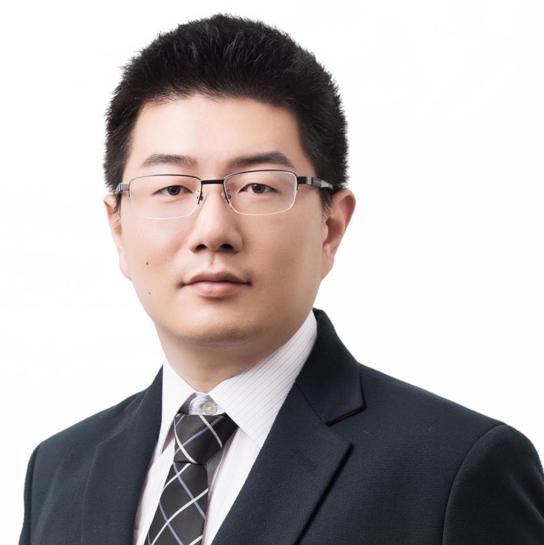
Cong Liu
Vice President of iFLYTEK, Dean of iFLYTEK Research InstituteCong Liu, Ph.D., Senior Engineer (Professor-level), Vice President and President of the Research Institute at iFLYTEK, Adjunct Professor and Ph.D. Supervisor at the University of Science and Technology of China (USTC), Deputy Director of the National Engineering Research Center of Speech and Language Information Processing, and a National Leading Talent in Science and Technology Innovation. He is a Fellow of the Chinese Association for Artificial Intelligence (CAAI), Executive Council Member of the Chinese Institute of Electronics (CIE), Vice President of the China Humanoid Robot 100 Committee (中国人形机器人百人会), Distinguished Member of the China Computer Federation (CCF), and a Founding Member of the CCF CTO Club. He mainly engages in research on core AI technologies including speech and language, computer vision, and large models. He has established and leads an AI R&D team of over 1,500 people, achieving multiple innovative technological and application breakthroughs. He has led national and provincial/ministerial research projects including the National New Generation Artificial Intelligence Major Science and Technology Project funded by the Ministry of Science and Technology. He has received one First Prize of the National Science and Technology Progress Award and four First Prizes of Provincial/Ministerial Science and Technology Progress Awards, as well as honors including the Anhui Youth May Fourth Medal, MIT Technology Review 35 Innovators Under 35 China (Pioneer), and CCF Distinguished Engineer.
Huimin Cui
Professor of the Institute of Computing Technology (ICT), Chinese Academy of Sciences (CAS), Founder & CEO of XCoreSigma.Dr. Cui Huimin is a Research Professor and PhD Supervisor at the Institute of Computing Technology, Chinese Academy of Sciences (ICT, CAS), Founder of Zhongkejiahe, and Director of the Compiler and Programming Laboratory, ICT, CAS. She has presided over numerous national research projects including programs sponsored by the National Natural Science Foundation of China, former 973 Program, and National Key R&D Program of the Ministry of Science and Technology, and serves as Chief Scientist for a programming-related project under the New Generation Artificial Intelligence Initiative of the Science and Technology Innovation 2030 Program. She has published over 60 papers in top-tier international conferences and journals across compilers and computer systems, such as ASPLOS, MICRO, PLDI, PPoPP, OSDI, SC, TOCS, TPDS and TACO.
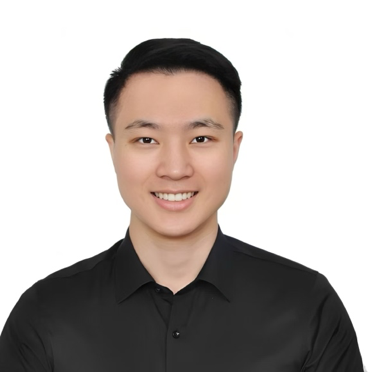
Wentao Zhang
Research Professor, Peking UniversityWentao Zhang, Research Professor and Ph.D. Supervisor at Peking University. His research interests focus on Data-centric AI. He has led National Natural Science Foundation of China (NSFC) Major Research Plan projects, National Key R&D Program projects (topics) funded by the Ministry of Science and Technology, and Ministry of Education Discipline Breakthrough Pioneer projects (as Co-PI). Over the past 5 years, he has published 100+ CCF Class A papers, with 10,000+ Google Scholar citations. He has received Best Paper Awards at multiple top-tier conferences including WWW'22 and CIKM'24. He has led the open-sourcing of multiple machine learning systems including DataFlow, MinerU, and Angel, accumulating 70,000+ GitHub Stars in total. His honors include the WAIC Yunfan Award (世界人工智能大会云帆奖), World Internet Conference Leading Scientific and Technological Achievement Award (世界互联网大会领先科技成果奖), and First Prize of the China Institute of Electronics Science and Technology Progress Award (中国电子学会科技进步一等奖), among others.
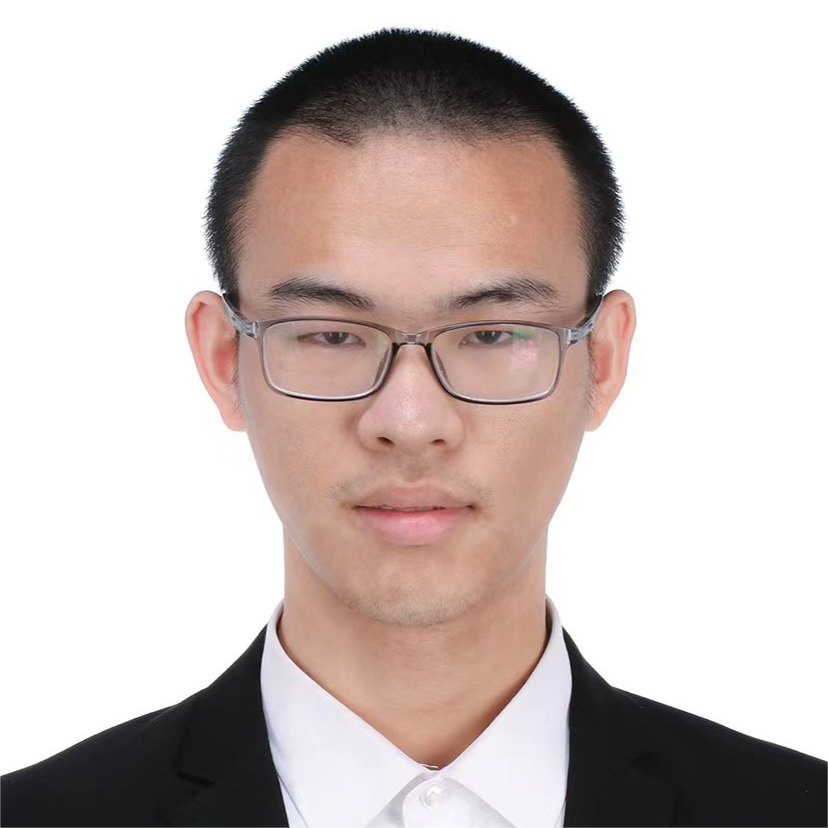
Kaichao You
Co-founder & Chief Scientist, Inferact; Core Maintainer of vLLMYou Kaichao is Co‑founder and Chief Scientist of Inferact and one of the core maintainers of vLLM. His research and development focus on large‑model inference systems and distributed AI infrastructure. He has deeply contributed to the vLLM open‑source community and led the advancement of its core capabilities including distributed inference, multi‑GPU deployment and PyTorch ecosystem integration. He previously conducted research at SkyLab, University of California, Berkeley. Currently he is dedicated to enabling efficient deployment of AI inference systems on emerging models and novel hardware, accelerating the industrial transition of large language models from academic research to large‑scale production.
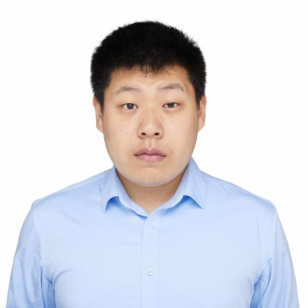
Shuyao Cheng
Assistant Professor Institute of Computing Technology, Chinese Academy of SciencesShuyao Cheng, Assistant Researcher at the Institute of Computing Technology (ICT), Chinese Academy of Sciences (CAS). He received his B.S. in Electronic Engineering from Tsinghua University in 2019 and his Ph.D. from the Institute of Computing Technology, CAS in 2024. His research interests focus on automated processor design. His research achievement, the "Enlightenment" series of front-end fully automated design processors, was evaluated by Nature journal news as "the first AI-automatically designed chip" and "good news for China's chip development", and was reported by CCTV (China Central Television). Related research has received the World Internet Conference Leading Science and Technology Award, CCF (China Computer Federation) Distinguished Paper Award, and APPT Best Paper Award.
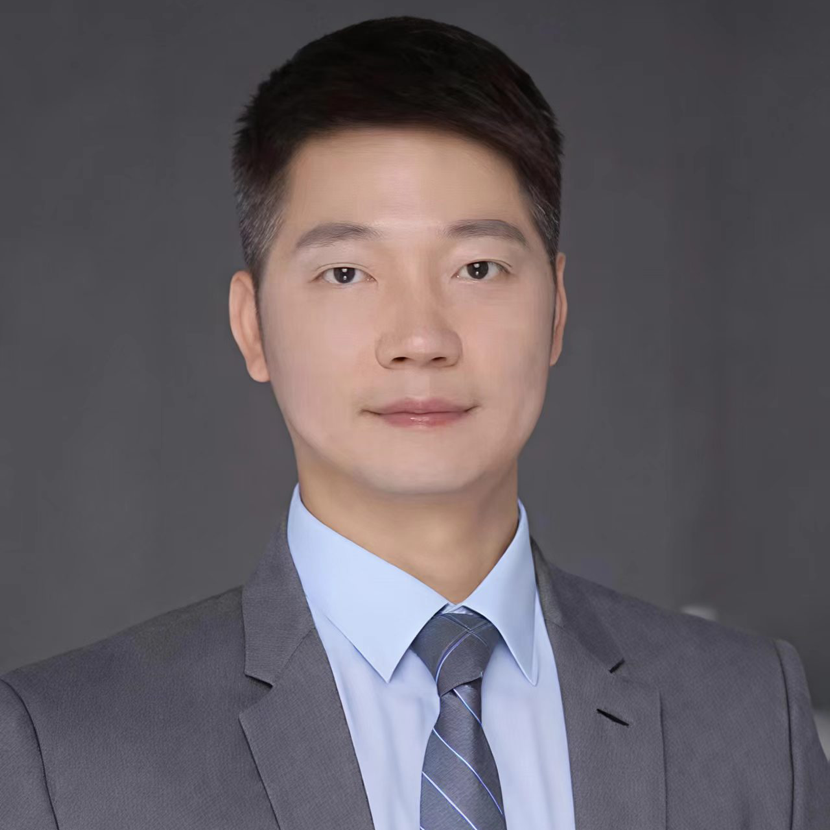
Bin Li
Vice President of Software, TsingmicroHe possesses extensive experience in the semiconductor industry, having successfully led the mass production and market promotion of multiple AI chips. During his tenure at AMD for over a decade, he participated in the design and R&D of seven generations of GPU chips. He currently oversees the industrialization and ecosystem development of TsingMicro's (清微智能) reconfigurable super-node products. He has driven deep collaboration between TsingMicro and domestic AI software ecosystems, building an open and mutually beneficial partnership framework that has won broad industry support for the company's products.

Tao Xie
Peking University Chair Professor, Director of Beijing Tongming Lake Information Technology Application Innovation CenterTao Xie, Chair Professor at Peking University, Dean of the Institute of Advanced Computing Systems at Fudan University, Foreign Member of the European Academy of Sciences, and Fellow of the Chinese Institute of Electronics (CIE), China Computer Federation (CCF), American Association for the Advancement of Science (AAAS), Association for Computing Machinery (ACM), and Institute of Electrical and Electronics Engineers (IEEE). He serves as Director and Chairman of the Beijing Tongming Lake Information Technology Application Innovation Center, and Dean of the Shanghai Institute of Open Computing Systems. He was formerly a Full Professor in the Department of Computer Science at the University of Illinois at Urbana-Champaign (UIUC). He is the third person globally and the first outside North America to have won all three major international awards from ACM SIGSOFT (ACM Special Interest Group on Software Engineering) — the Distinguished Research Award, Influential Educator Award, and Distinguished Service Award — achieving the "Grand Slam" in software engineering.
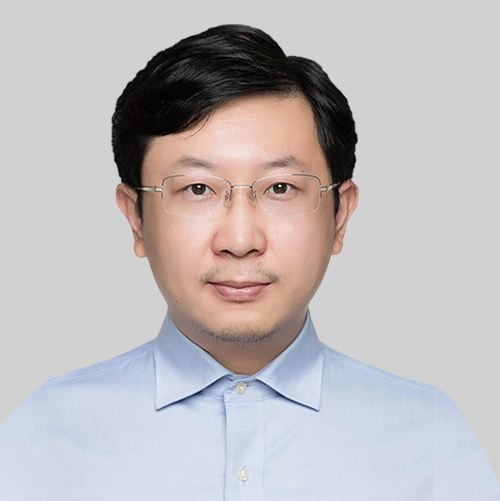
Guang Liu
Head of the System Intelligence Research Group at the Beijing Academy of Artificial Intelligence (BAAI)Guang Liu, currently Head of the System Intelligence Research Group at the Beijing Academy of Artificial Intelligence (BAAI). As a core technical lead, he spearheaded the development of the Aquila series (悟道·天鹰) — the world's first open-source and commercially viable bilingual (Chinese-English) large language model. He built and open-sourced the Infinity Instruct dataset, ranked among HuggingFace's Top 20 Most Popular Datasets of 2024; the CCI Chinese Internet Corpus series, designated as a typical case of high-quality datasets by the National Data Administration of China; and the Infinity-MM series, a multimodal instruction dataset at the ten-million scale, among others. He currently focuses on AI for System to enhance system software development efficiency, and is building KernelGen, a multi-chip operator automatic generation platform.
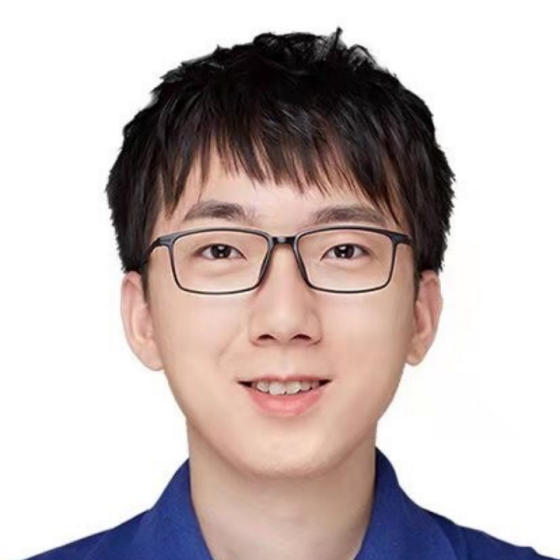
Tian Tian
Founder and CEO, RealAITian Tian, Founder and CEO of RealAI. He earned his PhD from the Department of Computer Science, Tsinghua University. He was a recipient of the Tsinghua University Special Scholarship and Siebel Scholar. His accolades also include the Wu Wenjun Outstanding Young Talent Award for Artificial Intelligence and the 5th Outstanding Young Engineer Award.
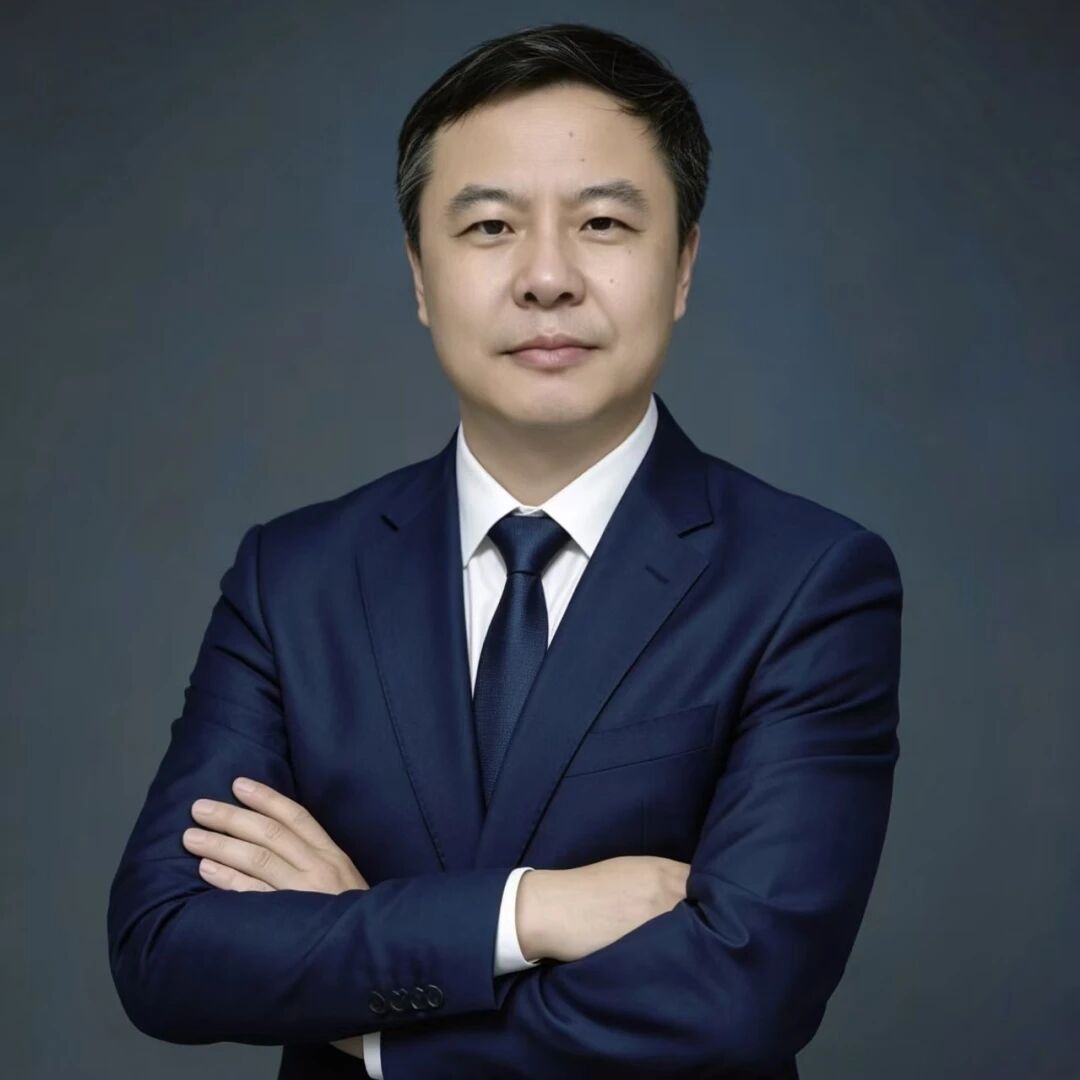
Yan Liu
Vice President, Qi Anxin AILiu Yan, Vice President of Qi Anxin AI and Core Technical Staff of Qi Anxin Group Co., Ltd. As Head of the Intelligent Security Product Line, he oversees all product and business operations in the AI Security sector. He also serves as Chief Engineer of Qi Anxin Guangxi AI Security Research Institute.
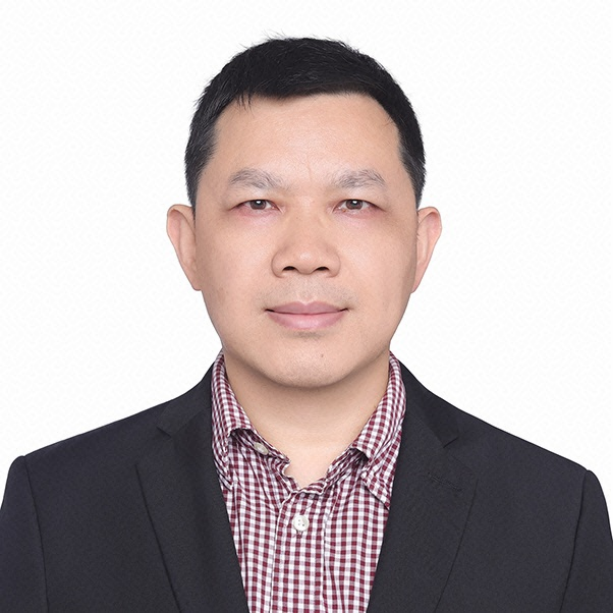
Jianguo Li
Head of Deep Learning Lab, Ant ResearchLi Jianguo currently leads the Deep Learning Lab at Ant Research Institute. He spearheaded the development of a series of diffusion language and multimodal models including LLaDA-MoE, LLaDA2.X and LLaDA2.0-Uni.He holds a PhD from Tsinghua University and has long been engaged in machine learning and deep learning research. He has published over 70 papers in top-tier conferences and journals, among which works such as Network Slimming and Pyraformer have garnered widespread influence. His papers have accumulated more than 17,000 citations.Prior to his current role, he served as the technical lead of CodeFuse, Ant's large code model. Before joining Ant Group, he worked at Intel Labs, where he delivered multiple hardware features for Intel CPUs and GPUs.
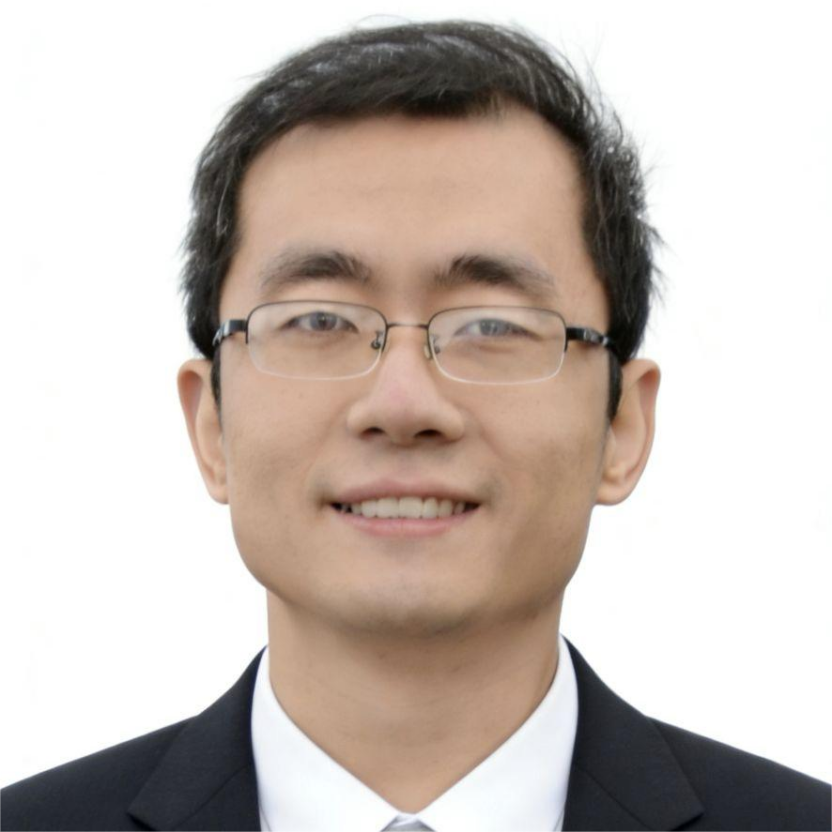
David
Vice President of Baidu AI CloudDavid, Vice President of Baidu Intelligent Cloud and PhD graduate of Lehigh University, currently serves as Vice Chair of the Information Retrieval Special Committee of the Chinese Information Processing Society of China and Associate Editor of the international journal Foundations and Trends in Information Retrieval. He has long been engaged in technical research and development at Yahoo, JD.com and Baidu, focusing on artificial intelligence, information retrieval and recommendation systems. He has published over 100 academic papers with more than 20,000 citations, received a total of 9 Best Paper Awards and nominations at top academic conferences including WSDM, KDD, ICDM and EMNLP, participated in the organizational work of renowned conferences such as SIGIR, KDD and WSDM, and holds more than ten authorized technical patents. He is an ACM Distinguished Member.
Tian Zhu
Co-founder & CEO of GenEditBioDr. Zhu Tian is Co-founder and CEO of GenEditBio. A dedicated drug discovery expert with nearly 15 years of experience in R&D and business development, she possesses dual expertise in scientific innovation and corporate strategy, covering research and development, intellectual property, investment and global collaboration. She earned her PhD in Computational Drug Design from the University of Illinois Chicago, and previously served as Vice President of Global Development at Jacos Pharma. The self-developed GENOMEPAM model by GenEditBio is not a general-purpose protein language model, but a high-precision vertical prediction model tailored for the editor-PAM interaction space. Leveraging this model, the company can design novel editing molecules independent of existing CRISPR patent systems from scratch, breaking through overseas patent barriers at the source.
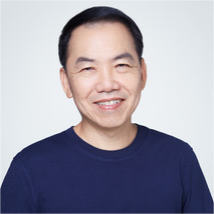
Jui Tan
Managing Partner , Lanchi VenturesMr. Chen Weiguang has 10 years of industrial experience and 20 years of early-stage tech investment experience across China and the United States. He joined Blue Lake Capital in Silicon Valley in 2001, helped expand the firm's venture capital business in Asia in 2005, and founded Blue Lake Capital's China fund and team in 2008. His investment focus covers artificial intelligence, hard technology and new energy. He has led and participated in early-stage investments in numerous outstanding tech projects, including Li Auto (NASDAQ: LI), Moon Darkside, Galaxy Robots, Wenzhi Traditional Chinese Medicine, Ganji.com (NYSE: WUBA), QingCloud (SH.688316) and PPTV. Prior to his career in investment, he worked at Singtel and IBM.Mr. Chen holds a Bachelor's degree in Electronic Engineering from Nanyang Technological University, Singapore, and an MBA from IMD in Lausanne, Switzerland. He was ranked among the TOP 50 on The Midas List. He has also received many accolades such as Forbes China Best Venture Capitalist, Zero2IPO China Best Early-Stage Investor, ChinaVenture China Best Investor, iDark Horse Top 10 Investors of the Year and China Venture TOP 50 Investors.
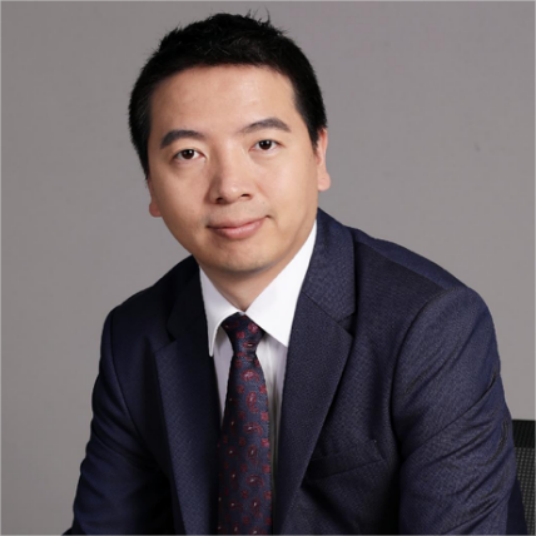
Dahai Li
CEO, MiniMaxLi Dahai boasts extensive experience in corporate leadership, R&D management and product commercialization. As CEO of MiniMax, he oversees the company's overall strategy and business development, and strives to build a technical paradigm for efficient edge AI brains to drive industrial intelligent upgrading. Under his leadership and that of the core team, MiniMax focuses on full-stack R&D, industrial application and ecosystem development of large language models, with a particular focus on edge intelligence. The company has emerged as an industry benchmark and been named in Fortune's Global 50 Most Innovative AI Companies and MIT Technology Review's 50 Smartest Companies. Previously a Partner and CTO of Zhihu, he empowered the platform's content business with AI technologies, fueling rapid growth in user base and revenue, and playing a key role in supporting Zhihu's dual listings on the New York Stock Exchange and Hong Kong Stock Exchange.
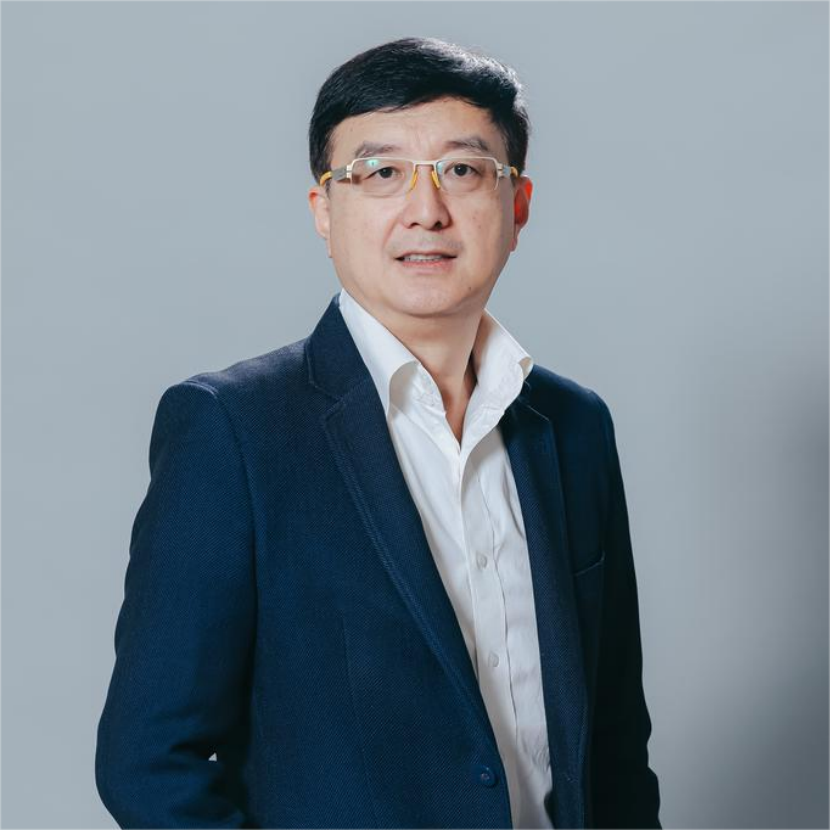
Ning Wan
Co-founder of TMTPost Group, Dean of TMTPost Research Institute, Founding Director of ITValueWan Ning is one of the core founding members of TMTPost Group, Dean of TMTPost Research Institute, and in charge of the initiation and operation of ITValue, a highly influential CIO community. A senior observer and analyst of China's IT market with over 30 years of industry experience, he co-founded IDC China in 1992 and established the company's research system for the Chinese market prior to the integration of TMTPost and Business Value magazine in 2015. He also serves as Executive Director of the China Association for the Promotion of Science and Technology Industrialization under the Ministry of Science and Technology, committed to advancing the integration of financial investment and industrialization of tech projects. As a leading expert in digital transformation, he has long been responsible for planning and delivering speeches at annual summits hosted by TMTPost Group and ITValue, and led benchmark industry selection events including China Outstanding SaaS Awards. He mainly provides consulting services on technology-driven business model innovation for traditional enterprises.
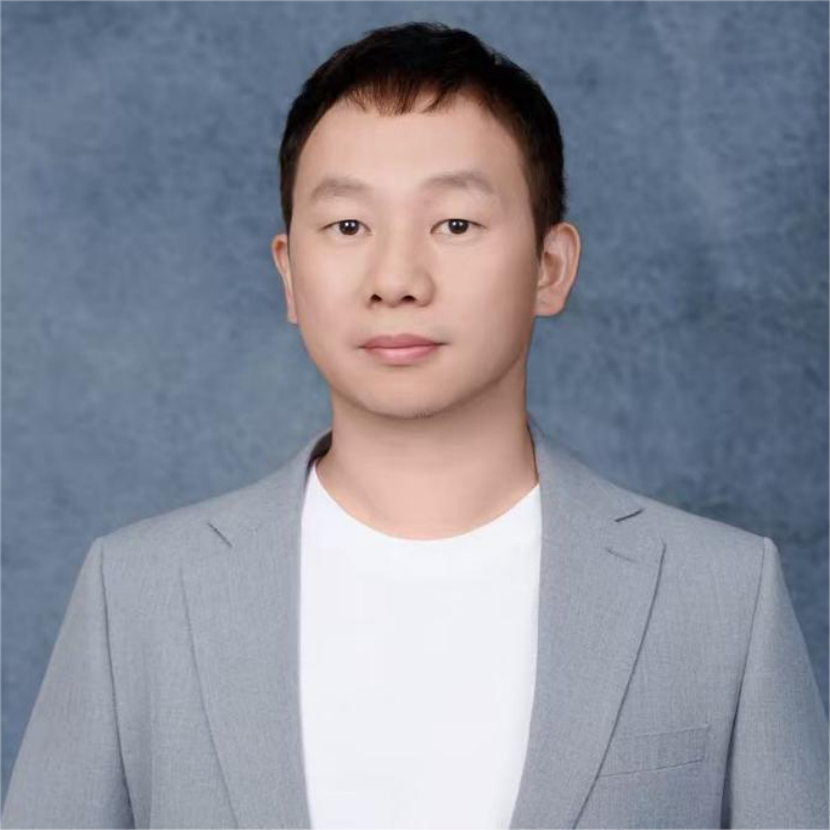
Zhi Chen
Vice President, Moore ThreadsChen Zhi holds a PhD from the University of California, Irvine. He was formerly a Senior Engineer and Inference Technology Expert at Amazon AI Lab. Currently, he leads fundamental research on chip-based large models and the R&D of AI infrastructure technologies, having built the training technologies and infrastructure for large-scale trillion-parameter models with tens of thousands of computing cards from scratch. He has published numerous papers in top international conferences covering algorithms, systems and compilers including MLSYS, OOPSLA, SOCC, ICPP, IISWC, AAAI and EMNLP. He is a core contributor and member of the Project Management Committee for TVM, the deep learning compiler.
Jason Chen
Gobi Partners, Group Chief Operating Officer & Managing DirectorJason has 20 years of experience in private equity, fund management, and investment banking. He was most recently with GLP Capital Partners, a subsidiary of global alternative asset manager Ares Management with approximately US$525 billion in assets under management. He led real estate and private equity investments in Greater China and Southeast Asia, in addition to overseeing and managing GLP’s investment in China Merchants Capital, one of China’s largest private equity investment platforms with US$47 billion in assets under management. Previously he was the Head of PIPE Investments at China Everbright Limited, a Chinese private equity and asset management platform, where he managed principal and third-party capital and invested in pre-IPO and late-stage Chinese technology companies. Before that, he was the Head of Direct Investment and a Managing Director at China Huarong Asset Management where he managed a US$1 billion portfolio of structured credit and mezzanine debt of Chinese companies.Before entering the private equity industry, Jason spent close to a decade as an investment banker at Citi and Standard Chartered Bank where he was responsible for advising and executing capital markets transactions and M&A for Chinese and Hong Kong corporates and global private equity funds, completing approximately US$5 billion of M&A transactions and US$10 billion of capital markets deals.
Jeffrey Xu
Co-founder and CTO, Stellerus Technology LimitedMr. Jeffrey Xu is the co-founder and CTO of Stellerus Technology Ltd. Also affiliated with HKUST, Mr. Xu is an outstanding academic researcher and tech entrepreneur, specializing in aerospace technology and satellite data applications technologies.As a leader, Mr. Xu has demonstrated exceptional skills in entrepreneurship and strategic management. During his PhD study in HKUST, Mr. Xu was heavily involved in the HKUST multi-modal satellite missions, including "HKUST-FYBB#1" (HK's first higher-ed satellite) and “MUSICO”, the advanced greenhouse gas monitoring payload deployed on China Space Station, and is actively leading the application and commercialization of satellite data. He is now serving as the project lead for the new flagship 3-D wind field satellite constellation project, “Project Feilian”, which was recently funded by Innovation and Technology Commission’s (ITC) Research, Academic and Industry Sectors One-plus (RAISe+) Scheme.Apart from RAISe+ scheme, Mr. Xu has led the organization to successfully commercialize satellite data based solutions with several tens of millions of revenues, received multi-million Hong Kong dollar funding support from various government and academic institutions, and won multiple awards including the Gold Award in 50th International Exhibition of Invention, Geneva, and the Platinum Award of HKUST-SINO One Million Dollar Entrepreneurship Competition 2025.Mr. Xu has a rich academic background and extensive international education experience. He earned his bachelor's degree in Engineering from Tongji University in Shanghai, China, and his master's degree in Engineering at the University of California, Berkeley. He is expected to graduate with PhD degree in HKUST in summer 2026. His international vision, solid academic foundation, and extensive industry experience make him highly regarded in the fields of technology and engineering.

Carmen Sze
The Hong Kong Investment Corporation Limited (“HKIC”) Senior Director
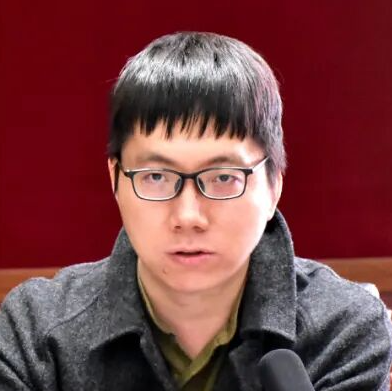
XiaWu Zheng
Associate Professor at the Institute for Artificial Intelligence, Xiamen UniversityAssociate Professor at the Institute for Artificial Intelligence, Xiamen University

Max Bennett
The Cofounder & CEO of Alby, the Author of A Brief History of IntelligenceMax Bennett, The Cofounder & CEO of Alby, the Author of A Brief History of Intelligence
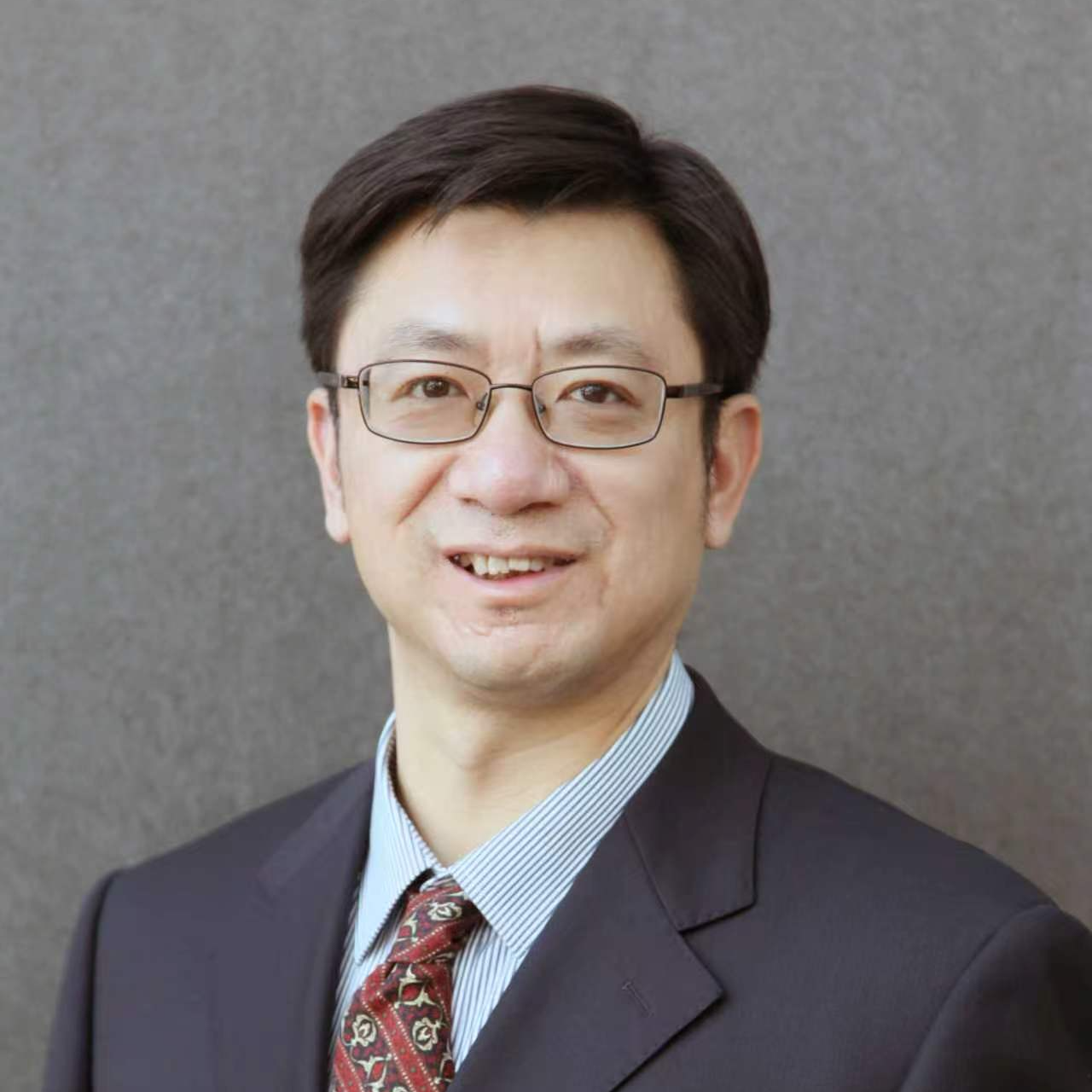
DaXin Jiang
Founder and CEO of StepFunDr. Daxin Jiang is the Founder and CEO of StepFun (阶跃星辰). He is fully responsible for the company’s strategic planning as well as its core technical and product R&D. Under his leadership, StepFun has rapidly emerged as a leading foundation model (LLM) startup in China. Dr. Jiang previously served as Corporate Vice President at Microsoft, as well as Deputy Dean and Chief Scientist of the Microsoft Asia Internet Engineering Institute. He possesses mature experience in technology commercialization, with a proven track record of rapidly deploying cutting-edge technologies into high-traffic global products. Dr. Jiang is a globally renowned expert in Natural Language Processing (NLP). He holds deep technical insights and extensive engineering experience across machine learning, data mining, NLP, and bioinformatics. He was elected an IEEE Fellow in 2025.
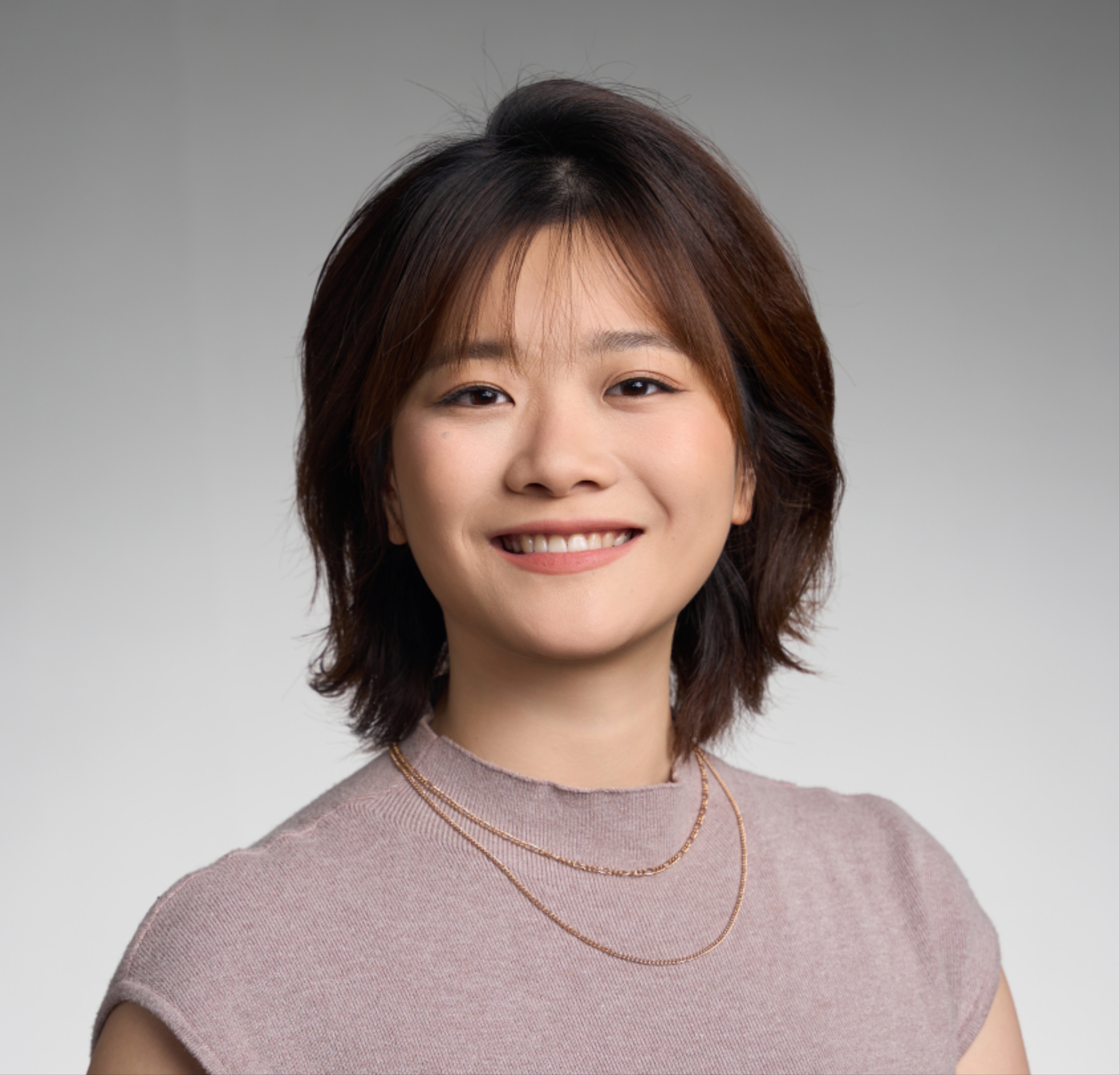
FuLi Luo
Head of Xiaomi’s MiMo Large Model teamFuli Luo holds a Master's degree from Peking University. She has successively served as a Researcher at DeepSeek and Head of Xiaomi’s MiMo Large Model team, leading the R&D of the entire MiMo model series and product ecosystem. The trillion-parameter model she developed, MiMo-V2.5-Pro, successfully topped multiple open-source benchmark evaluation leaderboards. Currently, her research focuses on frontier technologies such as AI Agents and Embodied AI, driving the deep integration of Xiaomi's large models, proprietary chips, and AIOS (AI Operating System). Her academic publications have amassed over 20,000 citations on Google Scholar.
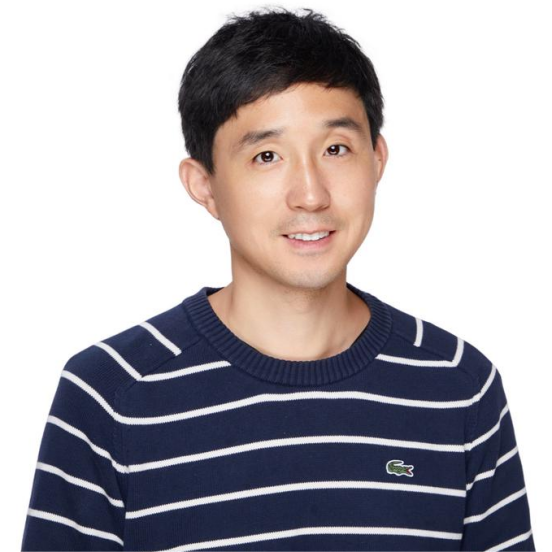
Yang You
Young Professor, National University of Singapore (NUS) , Founder of Luchen TechnologyYou Yang holds a Master's degree from Tsinghua University and a PhD from the University of California, Berkeley. He was supervised by Professor James Demmel, Dean of the College of Electrical Engineering and Computer Sciences and Member of the National Academy of Engineering at UC Berkeley. Currently, he works as a Presidential Young Professor in the Department of Computer Science at the National University of Singapore. He is the only scholar under the age of 35 across the globe who has won Best Paper or Distinguished Paper awards as the lead author (first author or corresponding author) at four top academic conferences, namely AAAI, ACL, IPDPS and ICPP. He set world records for the training speed of ImageNet, BERT, AlphaFold and ViT. His achievements have been reported by dozens of media including ScienceDaily, The Next Web and i-programmer. The relevant technologies have been widely applied by leading tech companies such as Google, Microsoft, Intel and NVIDIA. In the past three years, he has published dozens of papers as the first or corresponding author in major international conferences and journals including NeurIPS, ICLR, Supercomputing, IPDPS and ICS, with roughly 200 papers published in total. He has obtained the Best Paper Award at IPDPS and ICPP, as well as Distinguished Paper Award at AAAI and ACL. He was honored as an Outstanding Graduate of Tsinghua University and received the Siebel Scholarship, which was the most valuable scholarship offered by the Department of Computer Science at Tsinghua University at that time. In 2017, he was awarded the ACM-IEEE CS George Michael Memorial HPC Fellowship, the only fellowship on the official ACM website dedicated to current PhD students. As the most cited PhD graduate worldwide in the field of high-performance computing on Google Scholar in 2020, he received the Lotfi A. Zadeh Prize for outstanding graduates of UC Berkeley. He was also nominated for the ACM Doctoral Dissertation Award by UC Berkeley. Only two candidates were selected from 81 EECS PhD graduates of the university in 2020. His other honors include Forbes 30 Under 30 (Asia), IEEE-CS Early Career Award for Supercomputing, Hurun U35 Entrepreneur Pioneer, Forbes China Top 100 Most Influential Chinese Elites Worldwide, Forbes China Disruptive Founder of the New Era, MIT Technology Review Innovator in Intelligent Computing (China), Fortune China 40 Under 40 and Top 10 Economic Leaders of China. He has worked at well-known international enterprises including Google, Microsoft, NVIDIA, Intel and IBM.
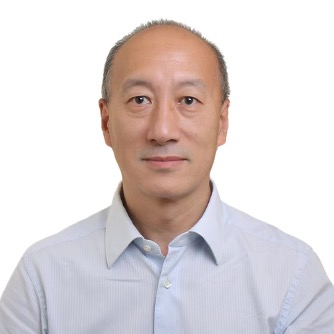
XinSheng Nan
Vice Chair of the Artificial Intelligence Working Committee of the Internet Society of ChinaFormer General Manager of the Internet and E-commerce Department of China UnicomVice Chair of the Artificial Intelligence Working Committee of the Internet Society of ChinaFormer General Manager of the Internet and E-commerce Department of China Unicom, Former General Manager of the Investment Management Department of China Unicom, and Former General Manager of the Liaoning Provincial Branch of China Unicom. He is a Professor-level Senior Engineer and an expert receiving the Special Government Allowance from the State Council.
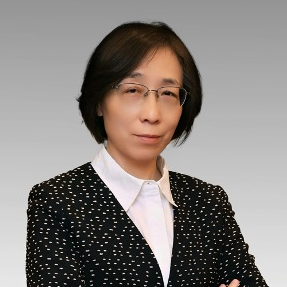
JiaChun Chen
Vice President and Deputy Secretary-General of the Internet Society of ChinaVice President and Deputy Secretary-General of the Internet Society of China She has previously served as the Deputy Director-General of the Telecommunications Administration Bureau of the former Ministry of Information Industry, and the Deputy Director-General and First-level Inspector of the Information and Communications Development Department of the Ministry of Industry and Information Technology.
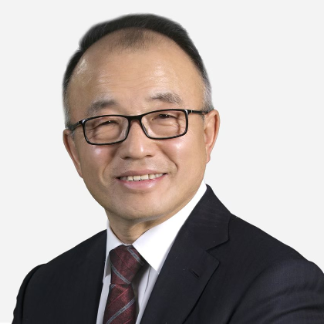
TongQing Gao
Vice Chairman of the Science and Technology Committee of China Mobile, and Chairman of GTIGao Tongqing, a recipient of the Special Government Allowance from the State Council, is a Professor-level Senior Engineer with a Doctorate in Management. He currently serves as Deputy Director of the Science and Technology Committee of China Mobile, Independent Director of China COSCO Shipping Corporation Limited and China Resources (Holdings) Limited, Chairman of the Global Technology Association of InfoComm (GTI) and the Global Intelligent Internet of Things Consortium (GIIC), Member of the Expert Advisory Committee of the National Data Administration, Chairman of the Expert Advisory Committee on Artificial Intelligence Technology and Application of the China Institute of Communications, and Deputy Director of an Expert Advisory Committee under the Internet Society of China. Previously, he held senior roles including Deputy General Manager, Chief Legal Counsel and Chief Compliance Officer at China Telecom Corporation Limited and China Mobile Communications Group Co., Ltd.
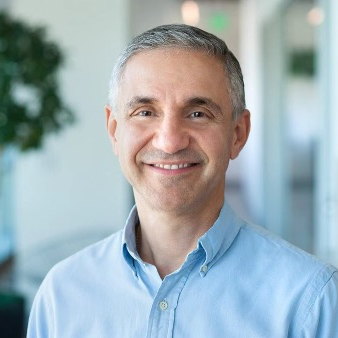
Mazin Gilbert
Executive Director of the Linux Foundation Agentic AI Foundation (AAIF)Dr. Mazin Gilbert is an AI pioneer and Executive Director of the Agentic AI Foundation (AAIF), established under the Linux Foundation to build open standards for the emerging internet of agents. He brings over three decades of technical and leadership experience in artificial intelligence, software-defined networking, and cloud technologies. His original research in neural networks for speech analysis and synthesis forms the foundation of today’s conversational systems. Before joining AAIF, he spent five years at Google leading enterprise AI initiatives. Prior to that, he had a distinguished 25-year career at AT&T Labs and Bell Labs, serving as Vice President of Advanced Technology and Systems at AT&T. His history with the Linux Foundation runs deep: in 2018 he was elected inaugural Governing Board Chair of the LF Deep Learning Foundation, and he co-founded both the Linux Foundation Networking and Linux Foundation Edge.
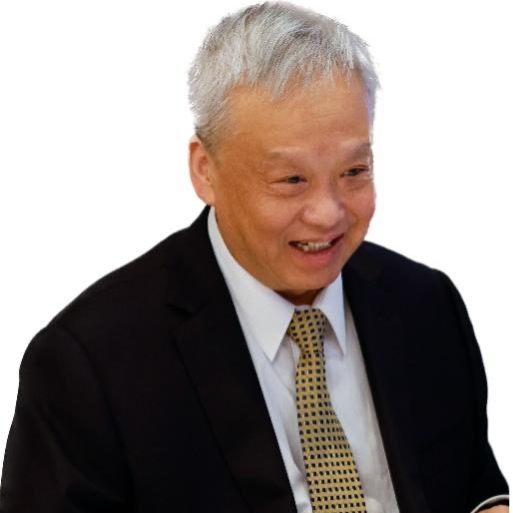
KuWen
Chairman of the Board of China Communications Standards Association (CCSA), Professor of Engineering, Doctor of Business Administration.Chairman of the Board of China Communications Standards Association (CCSA), Professor of Engineering, Doctor of Business Administration. He used to take positions in succession as Deputy Director General of the Department of Science and Technology of the Ministry of Posts and Telecommunications, Deputy Director General of the Department of Science and Technology, Deputy Director General of the Telecommunications Administration, Director General of the Department of Science and Technology of the Ministry of Information Industry, Director General of the Department of Science and Technology, Director General of the Department of Information and Communication Development of the Ministry of Industry and Information Technology.
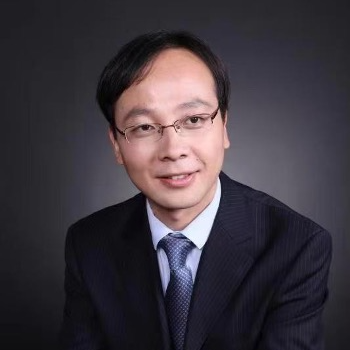
KaiWei
Director of the Artificial Intelligence Research Institute at the China Academy of Information and Communications Technology (CAICT),Director of the Artificial Intelligence Research Institute at the China Academy of Information and Communications Technology (CAICT), and Chair of the Big Data and Artificial Intelligence Field of the Academy. He concurrently serves as Vice Chair of the Artificial Intelligence Working Committee of the Internet Society of China, Leader of the General Group of the China Artificial Intelligence Industry Development Alliance (AIIA), and Leader of the Domestic Matching Group for ITU-T SG16, among other positions. He has spearheaded the compilation of reports such as the White Paper on Trustworthy AI and has led more than 30 domestic and international standards. In 2021, he was awarded the May 1st Labor Medal of Central State Organs.
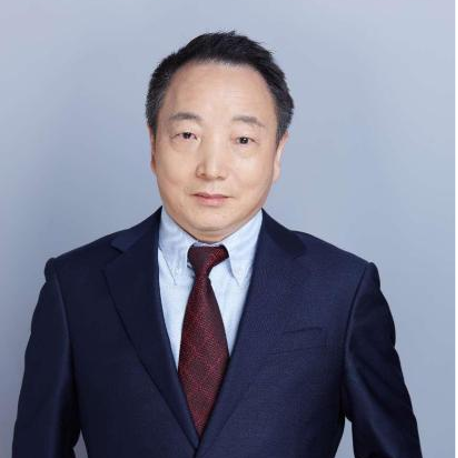
YunGui Zhang
Chief Scientist of Artificial Intelligence and Ph.D. Advisor at China Iron & Steel Research Institute Group (CISRI)Chief Scientist of Artificial Intelligence and Ph.D. Advisor at China Iron & Steel Research Institute Group (CISRI), and Head of the National Iron and Steel Artificial Intelligence Application Pilot Base.With decades of deep cultivation in the industry, he/she has conducted pioneering explorations in fields such as production process data governance, process sensing and optimization, metallurgical knowledge engineering, and steel digital twins. He/She took the lead in proposing a new intelligent manufacturing paradigm of "AI-native steel plants" and spearheaded the development of China's first metallurgical process sensing large model and process optimization large model. These efforts have driven the deep integration of large models with core steel production scenarios, including material microstructure recognition, performance prediction, and intelligent production decision-making.
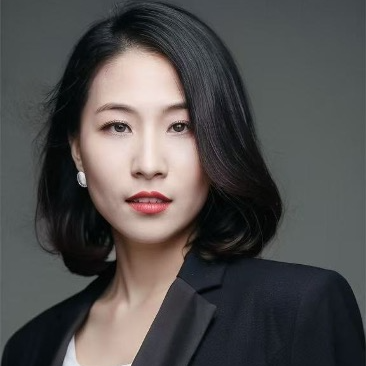
Jiexin Guo
BEIJING MODELBEST TECHNOLOGY CO., LTD. Head of Model StrategyJiexin Guo holds a master’s degree from Columbia University in the United States and serves as Head of Model Strategy at ModelBest Intelligent Technology Co., Ltd. She focuses on research in the development of the artificial intelligence industry and related policies. She previously worked at the CGTN Think Tank of China Media Group and has participated in five national-level and Beijing municipal key R&D projects, with research interests covering frontier technologies such as intelligent hardware, on-device models, and 3D vision. She has published articles in Ziguangge magazine, now known as Qizhi, and has received multiple national-level and Beijing municipal scholarships.

Ruoyi Qin
Tencent Cloud | Head of Operator Industry SolutionsQin Ruoyi focuses on the digital and intelligent upgrade of the telecom operator industry. He leads the solution design and technical practices of Tencent Cloud in the operator sector, driving technological innovation and business scenario implementation within the industry. In the AI field, he is dedicated to promoting the intelligent application of Large Language Models (LLMs) for operators and their government and enterprise clients. With profound insights and practical experience in LLM implementation roadmaps, AI Agent platforms, and LLM application development, he has successfully helped operators and enterprise clients establish multiple benchmark LLM applications, including AI Agent platforms, intelligent customer service, and AI code assistants.
Lin Zhu
ModelScope Developer OperationsGraduated from Shanghai Jiao Tong University. Former product and operations lead for Zhima Credit, blockchain, and Mini Programs at Alipay and Taobao; now leading developer ecosystem growth at ModelScope Community across Agent, AIGC, Embodied AI, AI for Science, and the developer incentive program.
Bin Wang
Interim Head of the Model Platform R&D Center, China Mobile Jiutian Artificial Intelligence Technology (Beijing) Co., Ltd.Wang Bin, currently serving as the Interim Head of the Model Platform R&D Center at China Mobile Jiutian Artificial Intelligence Technology (Beijing) Co., Ltd. and an expert of the Artificial Intelligence Division, China Mobile Science and Technology Association, has received honors such as "CCTV National Model Craftsman," "Central Enterprise Role Model," and "China Mobile Craftsman." He leads the R&D and operation of the China Mobile Jiutian Artificial Intelligence Platform. He has driven the innovation of training and inference acceleration technologies for hundred-billion- and trillion-parameter large models based on domestic AI computing clusters, and has been granted more than ten invention patents. His technical achievements have passed industry-authoritative Level 4+ certification and received multiple ministerial- and group-level awards, including the Second Prize of the China Institute of Communications Science and Technology Award, the China Mobile Group Gold Product Award, and the Group Achievement Transformation Award. The platform he developed serves over 50 provincial and specialized subsidiaries as well as innovation bases within the group, supporting the development of the Jiutian Foundation Model and over 30 vertical large models, becoming a core platform for AI R&D and production across the group. Externally, the platform has been commercially deployed in nearly 20 central state-owned enterprises and industry leaders, including China National Petroleum Corporation, Sinochem Group, and PLA General Hospital, generating direct economic benefits of 88.35 million RMB through technology transformation.

Wei Qi
Vice President of R&D at KunlunxinQi Wei is a Vice President of R&D at Kunlunxin, holding both her bachelor's and master's degrees in Electronic Engineering from Tsinghua University. With over a decade of deep expertise in chip development, she brings extensive experience in chip architecture design, product definition, and engineering implementation. She has published multiple high-impact academic papers and holds numerous granted patents.In her current role, Ms.Qi is responsible for overseeing product definition, architecture design, and front-to-back implementation across all generations of Kunlunxin's AI computing chips. Prior to joining Kunlunxin, she worked at Baidu, where she led chip R&D efforts spanning data center compute acceleration, AI chip architecture design, and processor development.
Yi Zeng
Wu Yuzhang Chair Professor, Gaoling School of AI, Renmin University of ChinaYi Zeng is a Wu Yuzhang Chair Professor and Ph.D. Supervisor at the Gaoling School of Artificial Intelligence, Renmin University of China. He also serves as the Founding Dean of Beijing Institute of AI Safety and Governance (Beijing-AISI), and Director of the Beijing Key Laboratory of Safe AI and Superalignment. He is the Chair of the Mind Computing Technical Committee of the Chinese Association for Artificial Intelligence (CAAI) and Co-Chair of the AI Committee of the World Internet Conference (WIC). Additionally, he is a member of the United Nations Advisory Body on AI and a member of the UNESCO Ad Hoc Expert Group on AI Ethics. His research focuses on AI Ethics, Safety and Governance, Brain-Inspired AI, and AI for Sustainable Development. He was named one of the TIME 100 Most Influential People in AI (TIME 100/AI, 2023).
Daofu Liu
Co-founder and Vice President, CambriconLiu Daofu, Co-founder and Vice President of Cambricon. He received his bachelor's degree from the School of Computer Science, University of Science and Technology of China in 2010 and his PhD from the Institute of Computing Technology, Chinese Academy of Sciences in 2015. He once worked as an assistant researcher, senior engineer and master's supervisor at the institute. Joining Cambricon as a founding team member and Vice President in March 2016, Dr. Liu has years of research experience covering artificial intelligence and computer architecture. He put forward the world's first general-purpose machine learning processor architecture, boasts more than a decade of chip R&D experience and has successfully led the tape-out of multiple chips. He was previously in charge of chip R&D, product and marketing businesses, and now oversees the company's strategy and investment. His accolades include the 2019 Outstanding Science and Technology Achievement Award of the Chinese Academy of Sciences and the title of Leading Innovative Talent under the Zhongguancun High-End Talent Project.
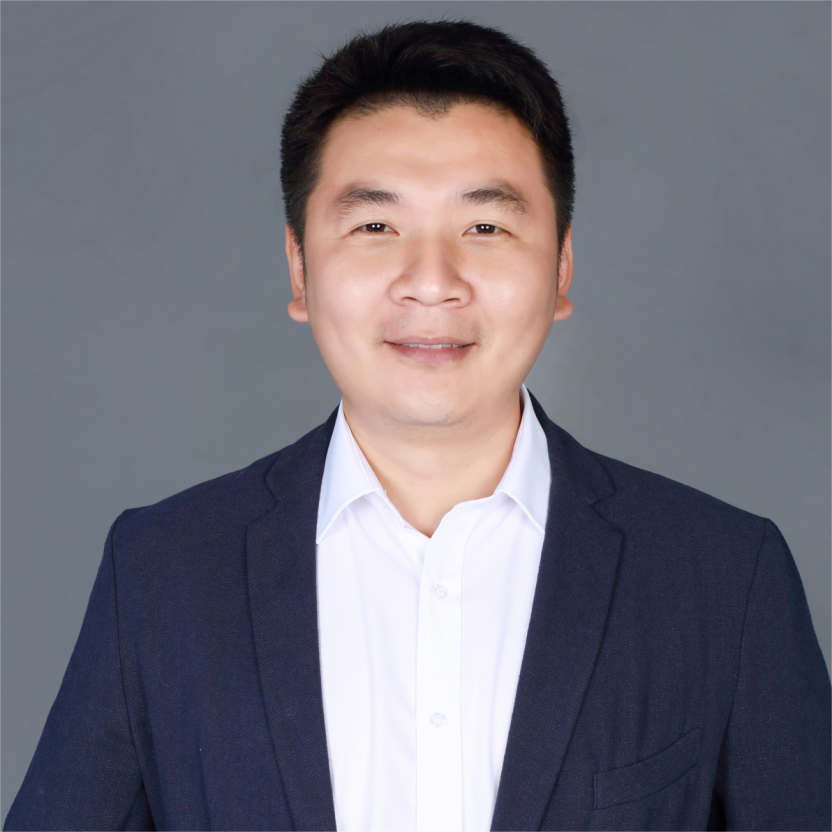
Yong Liu
Gaoling School of Artificial Intelligence at Renmin University of ChinaTenured Associate Professor & PhD Supervisor, Renmin University of China; His research covers machine learning, focusing on large model mechanism analysis, enhanced reasoning and statistical machine learning. He has authored over 100 high-quality papers, including more than 60 as first or corresponding author, published in top journals (NC, TIT, JMLR, TPAMI, AI) and premier conferences (ICML, NeurIPS, ICLR).

Wang Yubo
Beijing Seqnote Intelligent Technology Co., Ltd FounderWang Yubo holds two separate Bachelor's degrees — in Mathematical Statistics and in Actuarial Science — and a Master's degree in Financial Technology, all earned in the United Kingdom. She has worked at ByteDance, the Beijing Institute of Big Data Research (BIBDR), and several fintech companies, focusing on statistical modeling, machine learning, and complex engineering and productionization. Across these roles, she has built systematic experience in multimodal models, process automation, and real-world business deployment.In 2026, she founded SeqNote, where she is applying technologies such as large-scale vision models and timbre modeling to build a vertical AI product matrix at the intersection of Chinese traditional music and AI ("Traditional Music × AI"). Covering the entire user spectrum of Chinese traditional music, its products include a sheet-music conversion platform, an AI Chinese-traditional-music effects processor, and an emotion-themed Chinese-traditional-music art installation — serving everyone from complete newcomers to professional performers, and together rebuilding the digital infrastructure for how Chinese traditional music is learned and created.

Lu Xu
Co-founder of Light Within LifeXu Lu holds a Master's degree in Management Science and Engineering from Tsinghua University. She previously worked as a Data Science Engineer at Alibaba Group and was named in the Hurun U30 List. She developed Light Within Life, an innovative AI life-tracking app, which has been featured on the homepages of Apple App Store and HarmonyOS App Gallery for multiple times, earning over 15,000 five-star user ratings. Currently leading a four-person team, she integrates AI into organizational operations via multi-agent collaboration.
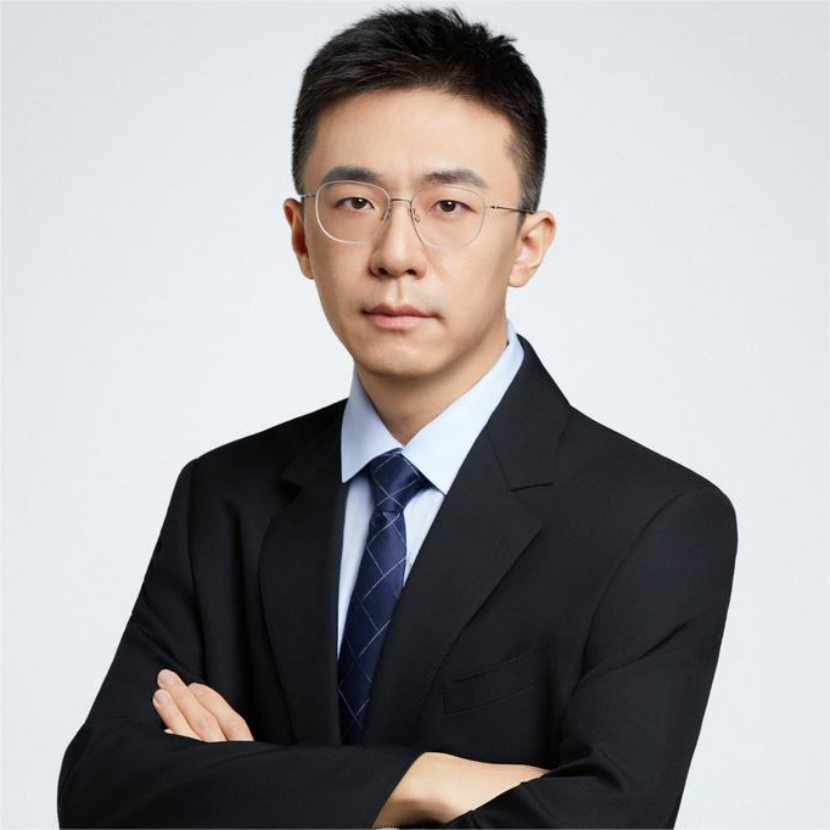
Boxun Li
Infinigence Al CTOBoxun Li, the CTO of Infinigence. He graduated from Tsinghua University with both bachelor's and master's degrees in electronic engineering. He has been deeply involved in the research of AI infrastructure-related fields such as artificial intelligence algorithm design, high-efficiency computing system design, and software and hardware co-optimization. He has published over 60 papers in international top conferences and journals such as CVPR, ECCV, AAAI, TCAD, and DAC. He won the ASP-DAC 2024 Decade Most Influential Paper Award and achieved multiple international competition championships including ICCV, ECCV, DAC, and LPIRC. Boxun Li has extensive practical experience in algorithm implementation and AI infrastructure. He previously served as the algorithm director of MEGVII, leading the development of security and autonomous driving perception systems, supporting billions of business revenues, and leading the business implementation plans for over a dozen domestic chips, achieving the first high-level autonomous driving production solution using non-Digilentian domestic chips in China.In charge of technology research and the agent business at Infinigence Al, he has realized the application of AI infrastructure technology. He led the Infinigence Al algorithm development team to develop the world's first open-source model Megrez-3B-Omni for end-side full-modal understanding, achieving industry-leading accuracy in processing three modalities of data such as images, text, and audio.